Invitation envelope sealed
1344×768 · AVIF · CC BY 4.0
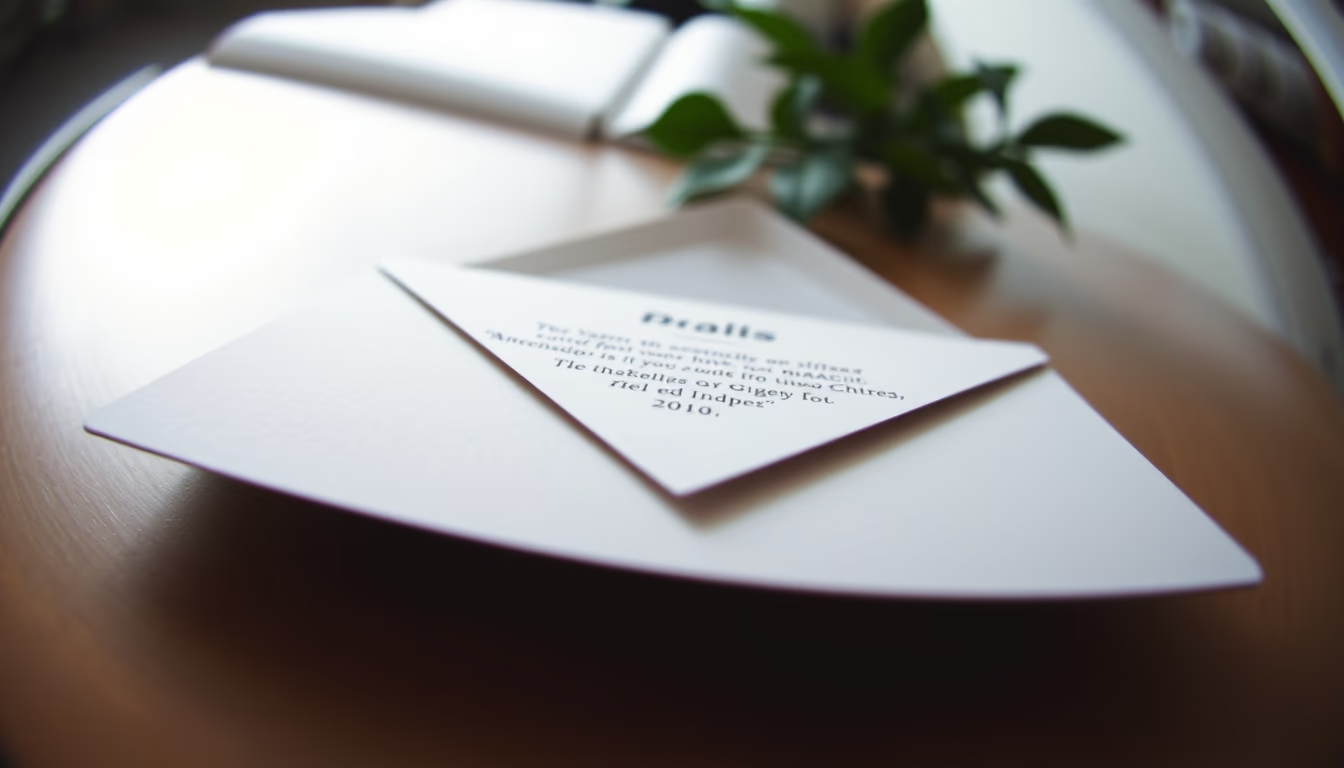
Learn all about sealed invitation envelopes: their history, importance in weddings, and closing techniques that add elegance and personality.
About this subject
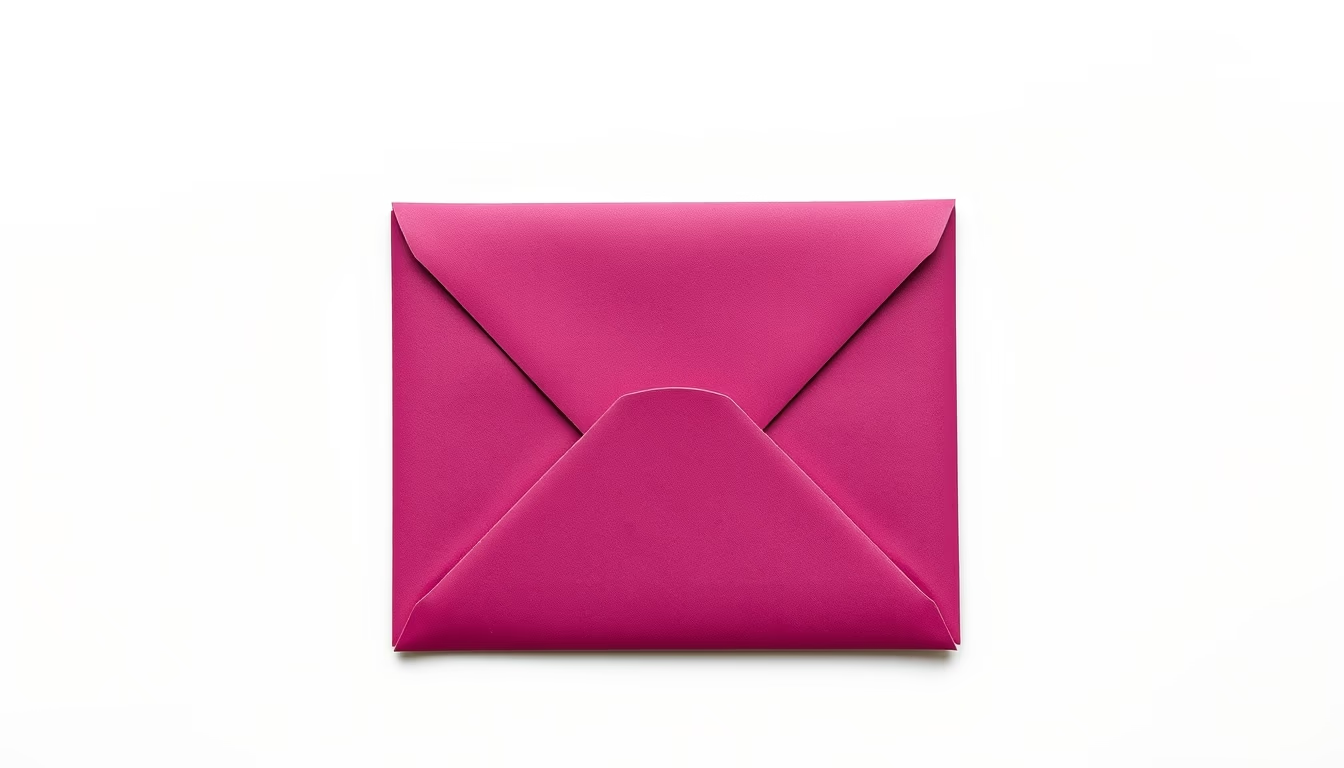
The sealed invitation envelope is a classic in wedding etiquette and formal events. Its purpose goes beyond protecting the invitation: it represents the first visual contact guests have with the ceremony. The practice of sealing envelopes dates back to the 18th century, when wax seals were used as marks of authenticity and sophistication. In Europe, personalized wax seals with family initials or crests indicated the social status of the couple. Today, the technique has been modernized with stickers, ribbons, or metallic seals, but the intent remains: to build anticipation and convey attention to detail.
In Brazil, sealed envelopes gained traction with the rise of themed and rustic weddings. Many couples opt for colored wax seals or custom stamps that match the event's color palette. The seal may feature the couple's initials, the date, or even motifs related to the venue. This choice is not only aesthetic: the seal prevents the invitation from accidentally opening during transit, ensuring it arrives intact.
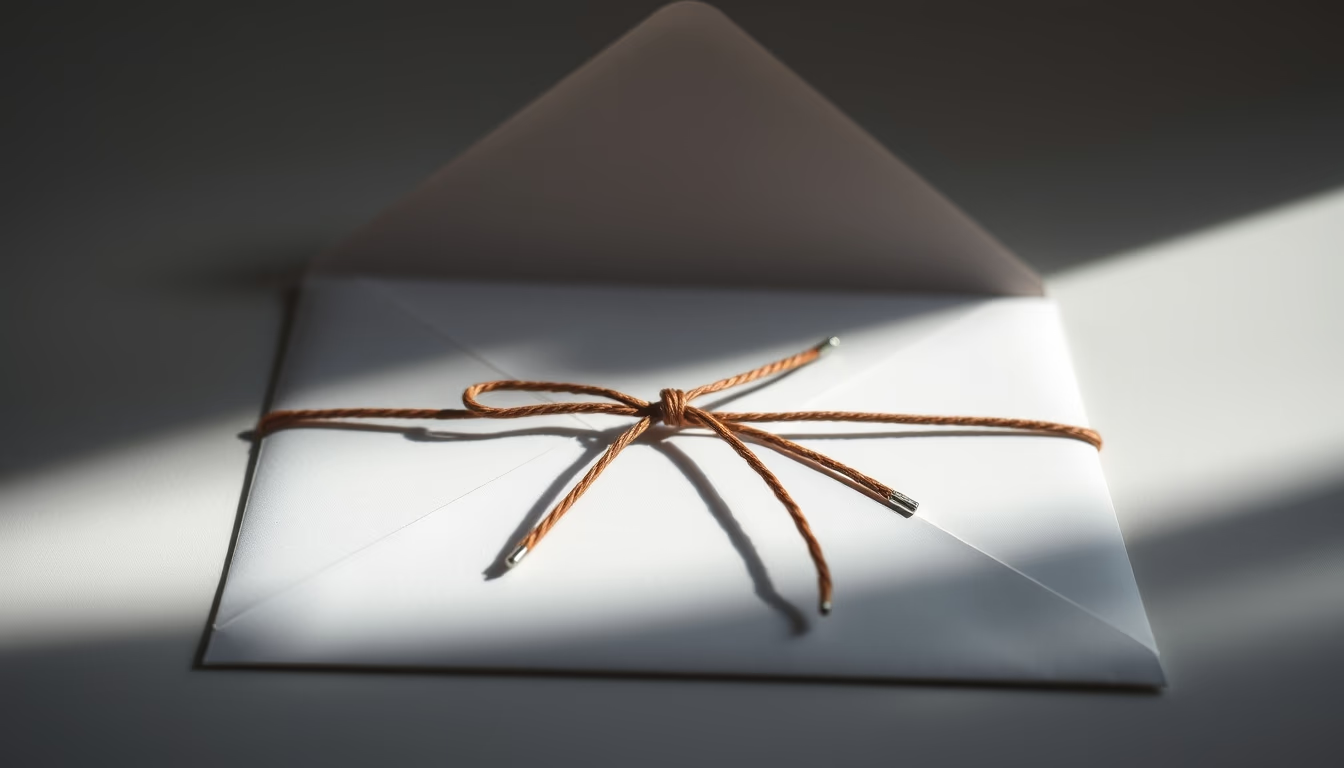
Interestingly, the seal also carries symbolism. In some cultures, breaking the seal represents accepting the invitation and joining the celebration. In royal and aristocratic weddings, the seal was often replaced by a ribbon knot, which guests untied as part of the opening ritual. This tradition still survives in more elaborate wedding invitations, where satin ribbons or twine substitute wax.
From a technical standpoint, sealing an envelope requires care. Wax must be heated to the right temperature to avoid staining the paper. Adhesive seals need to be applied on clean surfaces to prevent peeling. Materials like recycled or textured paper may require specific glue. Therefore, many invitation designers advise couples to test before final production. In a global market, the sealed envelope is a symbol of refinement that transcends cultures, being as common in Indian weddings as in Western ceremonies.
Frequently Asked Questions
What is the origin of sealing envelopes for invitations?
Wax seals on envelopes originated in the 18th century, mainly in Europe, as a way to guarantee authenticity and the sender's social status.
What types of seals are most used in weddings today?
The most common are colored wax seals, custom stickers, satin ribbons, and metallic seals. The choice depends on the wedding style.
Does the sealed envelope have any symbolic meaning?
Yes. Breaking the seal symbolizes accepting the invitation, and the difficulty in opening it can represent the anticipation of the celebration.
Direct URL
https://pub-c7d6a6ea828543ac903a74a341ccb2e1.r2.dev/imagens/invitation-envelope-sealed-fish-eye-wide-angle-fresh6.avifHow to credit
Include a visible link back to UtilizAí. Copy one of the snippets below:
<a href="https://xn--utiliza-eza.com/en/midia/imagens/invitation-envelope-sealed-fish-eye-wide-angle-fresh6">Invitation envelope sealed</a> by <a href="https://xn--utiliza-eza.com">UtilizAí</a>, licensed under <a href="https://creativecommons.org/licenses/by/4.0/">CC BY 4.0</a>.
[Invitation envelope sealed](https://xn--utiliza-eza.com/en/midia/imagens/invitation-envelope-sealed-fish-eye-wide-angle-fresh6) by [UtilizAí](https://xn--utiliza-eza.com), CC BY 4.0
License: CC-BY-4.0