Ink wells antique brass
1344×768 · AVIF · CC BY 4.0
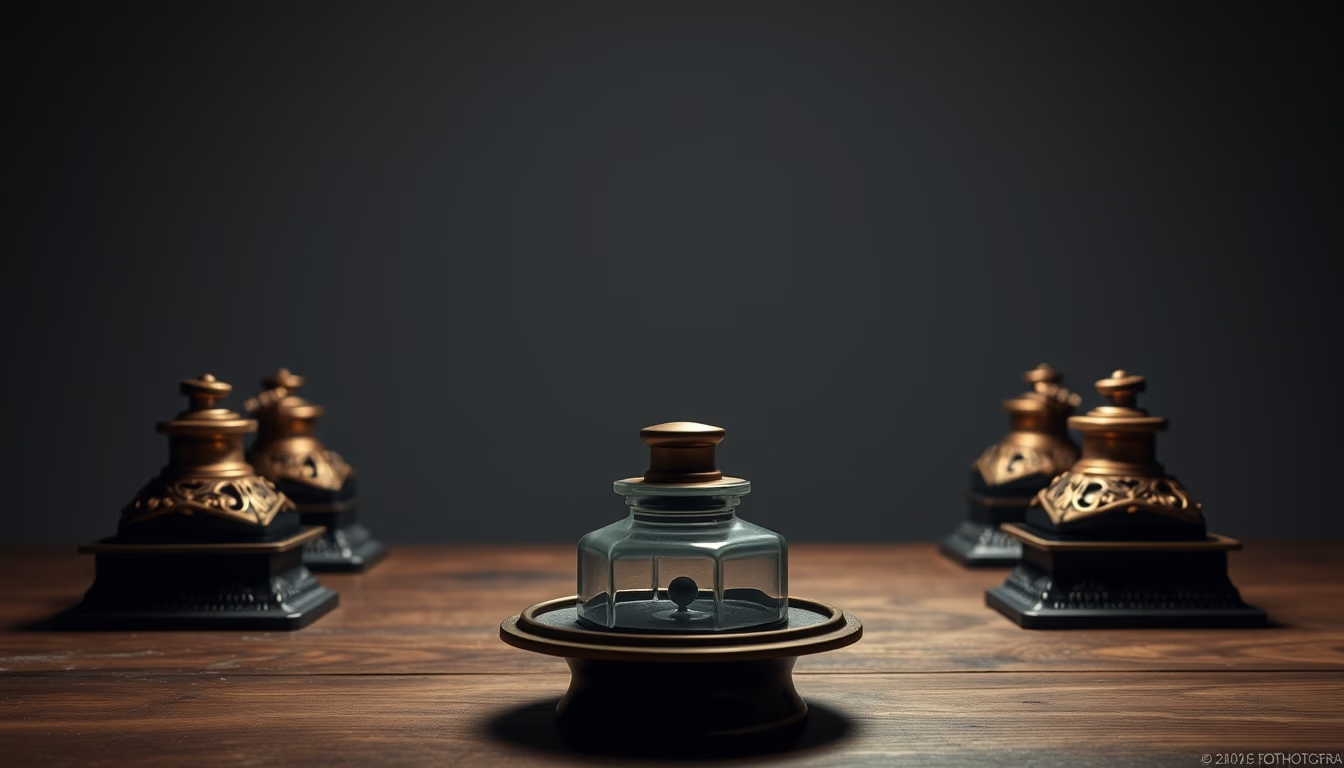
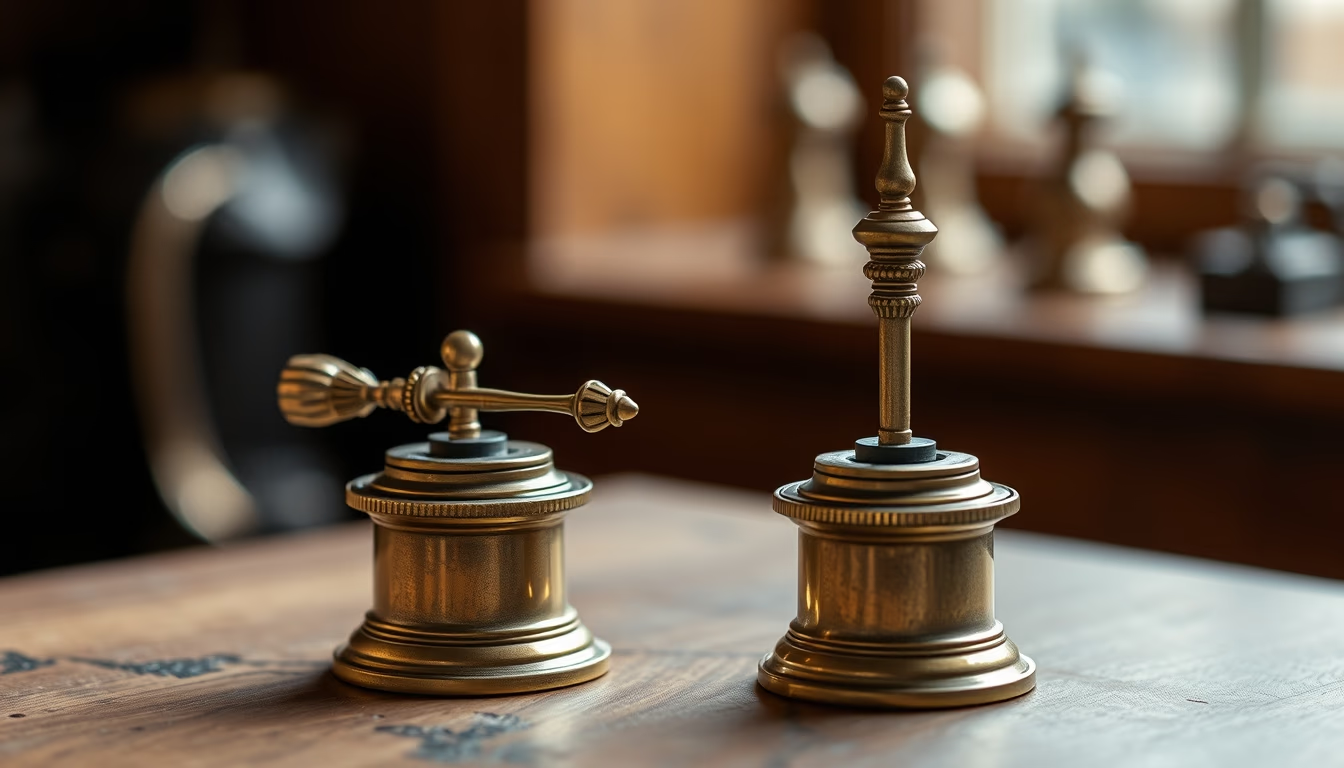
Antique brass ink wells: classic writing implements that blend functionality and aged metal design, revered by collectors and calligraphers.
About this subject
Antique brass ink wells are containers designed to hold ink, primarily used before the popularization of modern fountain pens. They date from the 18th and 19th centuries, when writing with quills and dip pens required frequent access to ink. Brass, an alloy of copper and zinc, was a popular material due to its durability and resistance to corrosion, as well as allowing refined ornamental details. Many ink wells were luxury items, with elaborate carvings and shapes reflecting styles such as Victorian and Art Nouveau. They often came in pairs, with hinged lids and pen rests, known as "desk ink wells."
Mass production began during the Industrial Revolution, with centers in England, France and the United States. Brands like Waterman and Parker also manufactured desk ink wells, but antique brass ones are especially valued for their natural patina, which develops over time. Collectors seek variations such as two-hole models, one for black ink and another for red, used by accountants and cartographers. Artistic calligraphy, which requires dipping the pen, keeps the utility of these pieces alive.
Interestingly, antique brass ink wells also served as status symbols. In offices and libraries, they were displayed as emblems of erudition. Some rare examples feature self-opening mechanisms or reliefs with mythological themes. Despite their age, many are still functional, provided they are carefully cleaned to avoid damaging the patina.
Frequently Asked Questions
How to identify an antique brass ink well?
Look for a dark green or brown patina characteristic of aged brass. Check for casting marks or engravings, such as maker's initials or purity stamps. Models with hinged lids and pen rests are typical of the 19th and early 20th centuries.
Why were ink wells important in writing history?
They were essential for centuries for holding India ink or iron gall ink, used with quills and dip pens. Their decline came with the popularization of self-contained fountain pens in the late 19th century.
How to preserve an antique brass ink well?
Avoid abrasive products. Clean with a soft cloth and mineral oil to preserve the patina. Do not use excessive water; dry immediately. Store in a dry place, away from humidity, to prevent corrosion.
Direct URL
https://pub-c7d6a6ea828543ac903a74a341ccb2e1.r2.dev/imagens/ink-wells-antique-brass-studio-editorial-portrait-fresh1.avifHow to credit
Include a visible link back to UtilizAí. Copy one of the snippets below:
<a href="https://xn--utiliza-eza.com/en/midia/imagens/ink-wells-antique-brass-studio-editorial-portrait-fresh1">Ink wells antique brass</a> by <a href="https://xn--utiliza-eza.com">UtilizAí</a>, licensed under <a href="https://creativecommons.org/licenses/by/4.0/">CC BY 4.0</a>.
[Ink wells antique brass](https://xn--utiliza-eza.com/en/midia/imagens/ink-wells-antique-brass-studio-editorial-portrait-fresh1) by [UtilizAí](https://xn--utiliza-eza.com), CC BY 4.0
License: CC-BY-4.0