Ink wells antique brass
1344×768 · AVIF · CC BY 4.0

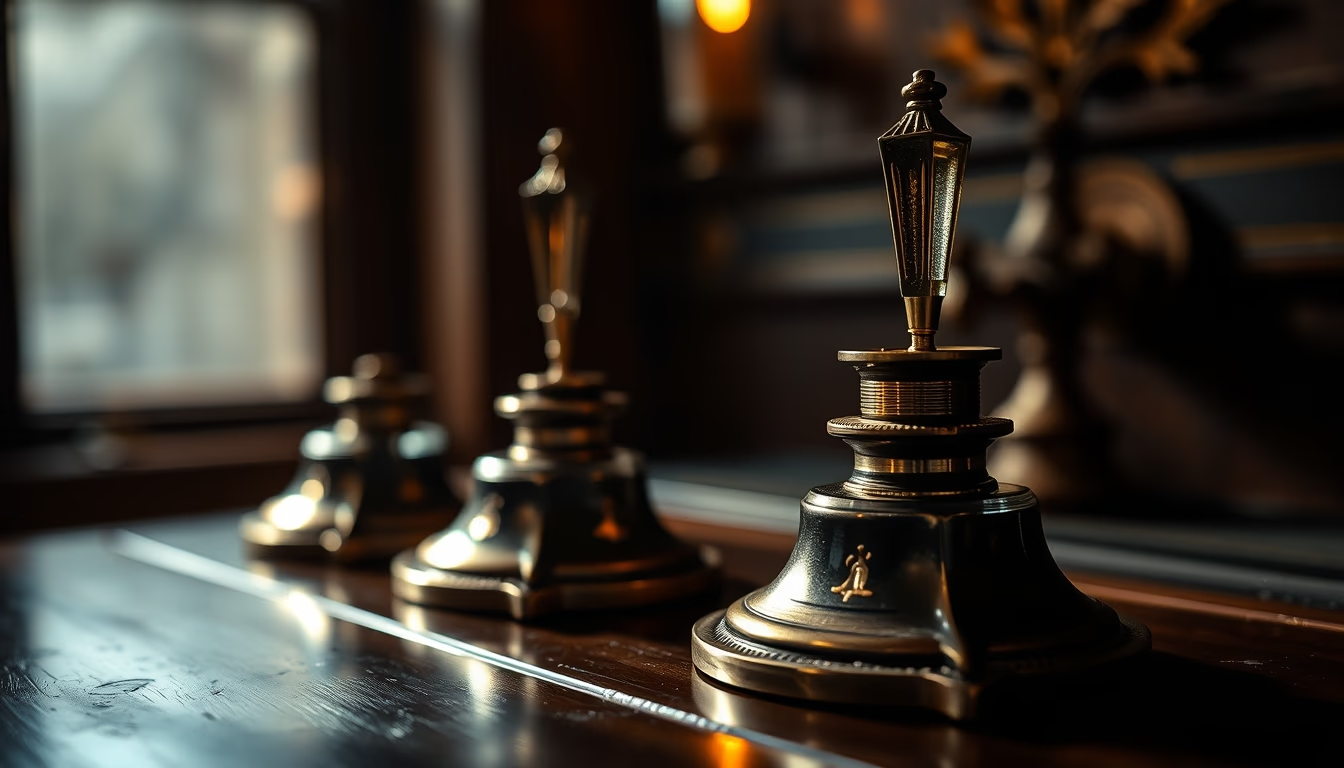
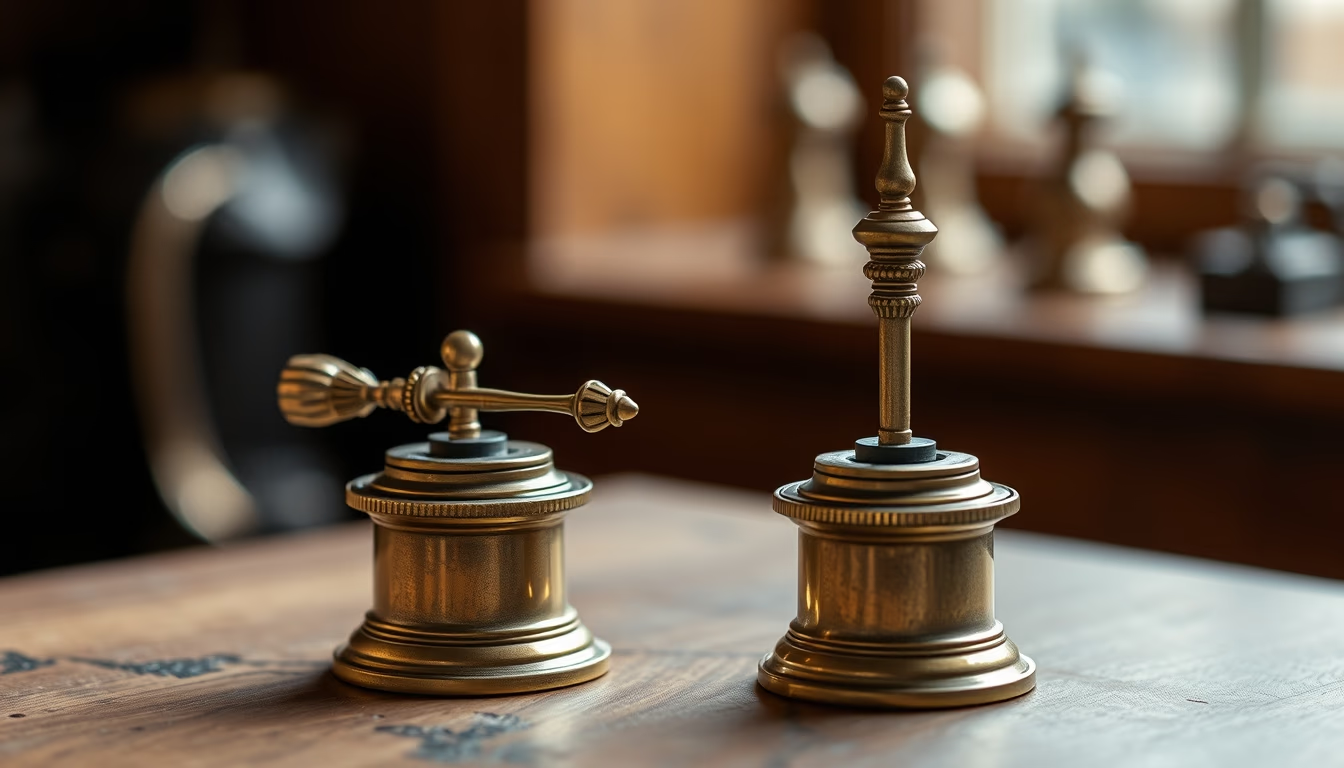
Antique brass inkwells were essential containers for dip pens, popular from the 18th to 19th centuries, blending functionality with decorative artistry.
About this subject
Antique brass inkwells are containers designed to hold ink for dip pens, widely used before fountain pens became common. Made from brass, an alloy of copper and zinc, these objects combined durability with decorative potential. They emerged in the 18th century when handwriting was central to administration, commerce, and personal correspondence. Brass replaced more fragile materials like glass and ceramic, allowing for sturdy pieces that could be richly ornamented with reliefs, engravings, and elaborate shapes.
Practical use required the inkwell to sit on a desk, with a lid to prevent evaporation and dust contamination. Many had lead or marble bases for stability. Some models featured two compartments, one for black ink (everyday writing) and another for red ink (used for headings, corrections, or emphasis). This setup was common in notary offices, counting houses, and libraries.
Culturally, brass inkwells were status symbols and markers of learning. Their presence on a desk indicated literacy and often wealth. With the Industrial Revolution, mass production made them more affordable, but they retained decorative value. Their decline began with the advent of portable fountain pens in the early 20th century, which integrated the ink reservoir into the pen itself, eliminating the need for a stationary inkwell.
Today, antique brass inkwells are collectibles, prized for their natural patina (a green oxide from copper) and handcrafted details. Models from renowned makers, such as Victorian-era English craftsmen, fetch high prices at auction. They are also used by dip pen enthusiasts who recreate the historical calligraphy experience.
Frequently Asked Questions
How to identify an antique brass inkwell?
Look for casting marks, natural wear, green patina (copper oxide), and period-specific ornamental details such as floral or geometric reliefs. Original inkwells usually have a heavy base and hinged lid.
What was the second compartment used for in some inkwells?
Many antique inkwells had two reservoirs: one for black ink (everyday writing) and another for red ink (used for important notes, headings, or corrections). This facilitated the work of scribes and accountants.
What is the difference between brass and glass inkwells?
Glass inkwells were cheaper and more common but fragile. Brass inkwells were more durable and often decorated, indicating a higher owner status. Brass allowed more complex designs and complemented dark wooden furniture.
Direct URL
https://pub-c7d6a6ea828543ac903a74a341ccb2e1.r2.dev/imagens/ink-wells-antique-brass-lo-fi-disposable-camera-fresh12.avifHow to credit
Include a visible link back to UtilizAí. Copy one of the snippets below:
<a href="https://xn--utiliza-eza.com/en/midia/imagens/ink-wells-antique-brass-lo-fi-disposable-camera-fresh12">Ink wells antique brass</a> by <a href="https://xn--utiliza-eza.com">UtilizAí</a>, licensed under <a href="https://creativecommons.org/licenses/by/4.0/">CC BY 4.0</a>.
[Ink wells antique brass](https://xn--utiliza-eza.com/en/midia/imagens/ink-wells-antique-brass-lo-fi-disposable-camera-fresh12) by [UtilizAí](https://xn--utiliza-eza.com), CC BY 4.0
License: CC-BY-4.0