Incan terraces
1344×768 · AVIF · CC BY 4.0

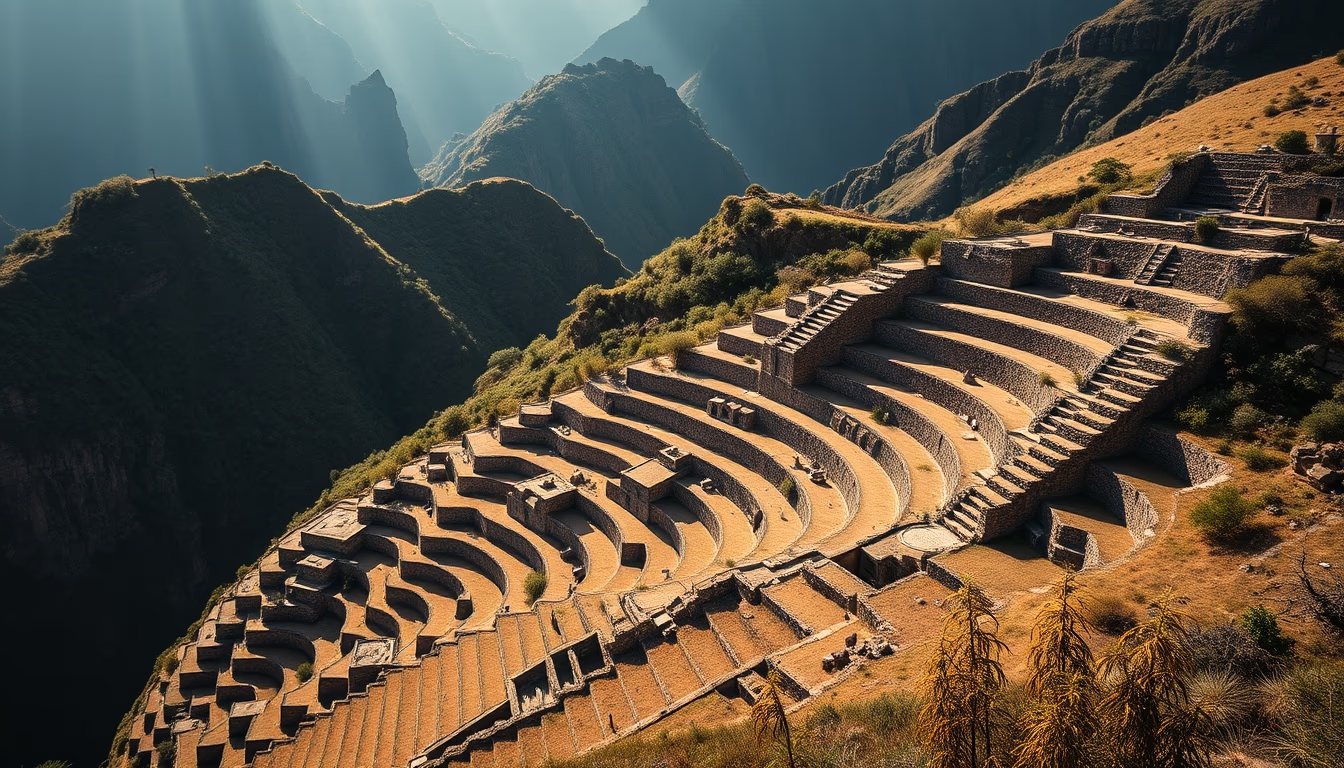
Inca terraces, known as andenes, are stepped agricultural structures built in the Peruvian Andes, crucial for farming on steep mountain slopes.
About this subject
Inca terraces, also known as andenes, represent one of the most impressive pre-Columbian agricultural engineering achievements. They were built over centuries by the Incas and earlier cultures such as the Wari in the mountainous Andes region, primarily in present-day Peru, Bolivia, Ecuador, and Chile. The technique involved leveling steep slopes to create flat platforms supported by dry-stone walls, which prevented erosion and allowed farming at altitudes ranging from 2,000 to 4,000 meters.
These terraces served multiple functions: they expanded arable land, captured and distributed rainwater and spring water through internal channels and drains, preventing floods and maximizing water use. They also created microclimates, as stone walls absorbed heat during the day and released it at night, protecting crops from frost. Crops included maize, potatoes, quinoa, and other tubers adapted to different elevations.
Building these terraces required advanced knowledge of geology, hydrology, and agronomy. Walls were constructed with stones fitted without mortar, with a slight inward tilt (batter) for seismic stability. Many terraces are still used today by peasant communities preserving ancestral techniques. Archaeological sites like Machu Picchu, Ollantaytambo, and the agricultural complex of Moray display outstanding examples of this system.
Inca terraces are UNESCO World Heritage sites and inspire modern sustainable farming practices in mountainous terrain. Their durability is so remarkable that many structures still function centuries after the abandonment of Inca urban centers.
Frequently Asked Questions
What was the purpose of Inca terraces?
Inca terraces were used to expand arable land on steep slopes, control erosion, manage rainwater, and create microclimates that protected crops from frost.
Where are the main Inca terraces located?
The most famous examples are at Machu Picchu, Moray, Ollantaytambo, and the Sacred Valley in Peru. However, terraces are scattered throughout the Andean region, including Bolivia, Ecuador, and Chile.
How did the Incas build terraces without mortar?
They used precisely fitted stones without mortar, with a slight inward tilt (batter) that provided stability even during earthquakes. This technique is known as dry-stone masonry.
Direct URL
https://pub-c7d6a6ea828543ac903a74a341ccb2e1.r2.dev/imagens/incan-terraces-studio-editorial-portrait-p7.avifHow to credit
Include a visible link back to UtilizAí. Copy one of the snippets below:
<a href="https://xn--utiliza-eza.com/en/midia/imagens/incan-terraces-studio-editorial-portrait-p7">Incan terraces</a> by <a href="https://xn--utiliza-eza.com">UtilizAí</a>, licensed under <a href="https://creativecommons.org/licenses/by/4.0/">CC BY 4.0</a>.
[Incan terraces](https://xn--utiliza-eza.com/en/midia/imagens/incan-terraces-studio-editorial-portrait-p7) by [UtilizAí](https://xn--utiliza-eza.com), CC BY 4.0
License: CC-BY-4.0