Incan terraces
1344×768 · AVIF · CC BY 4.0
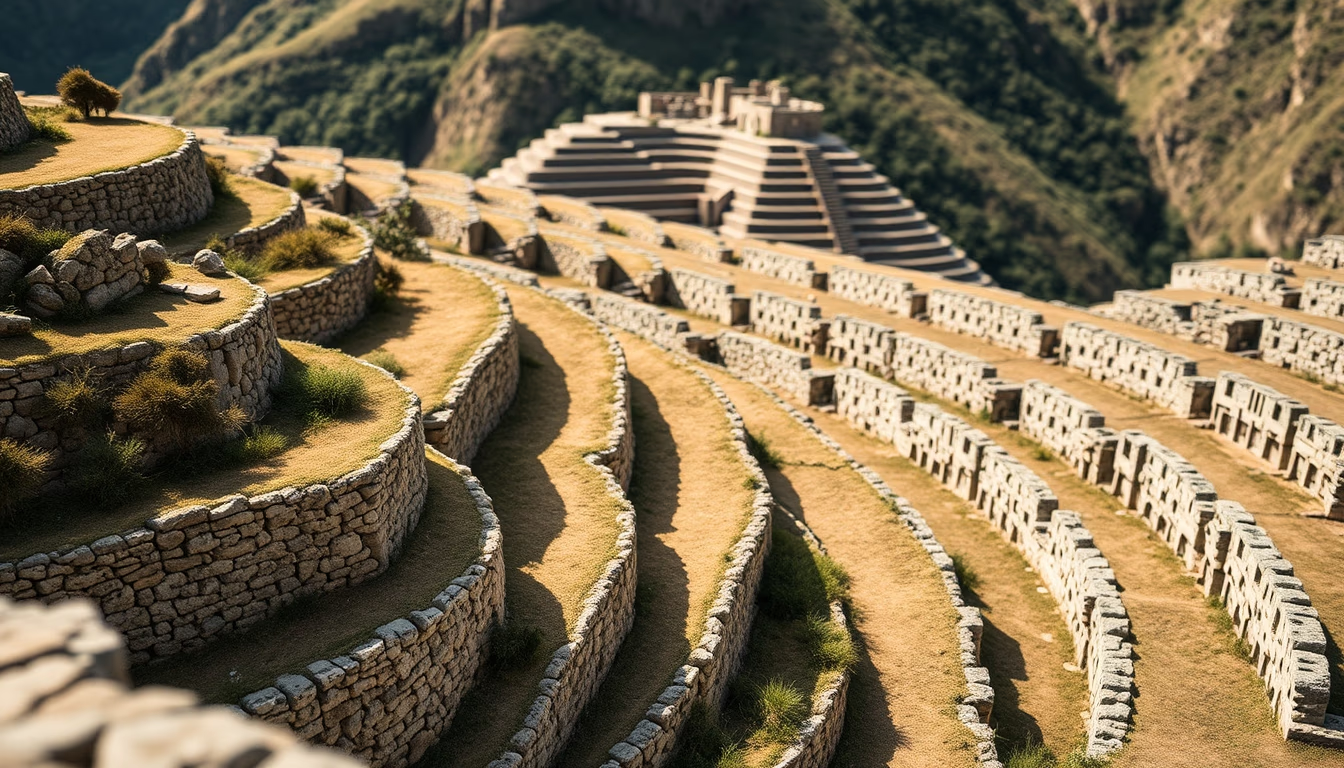
Incan terraces are an ingenious agricultural technique developed by the Incas in the Peruvian Andes, transforming steep mountains into fertile and productive land.
About this subject
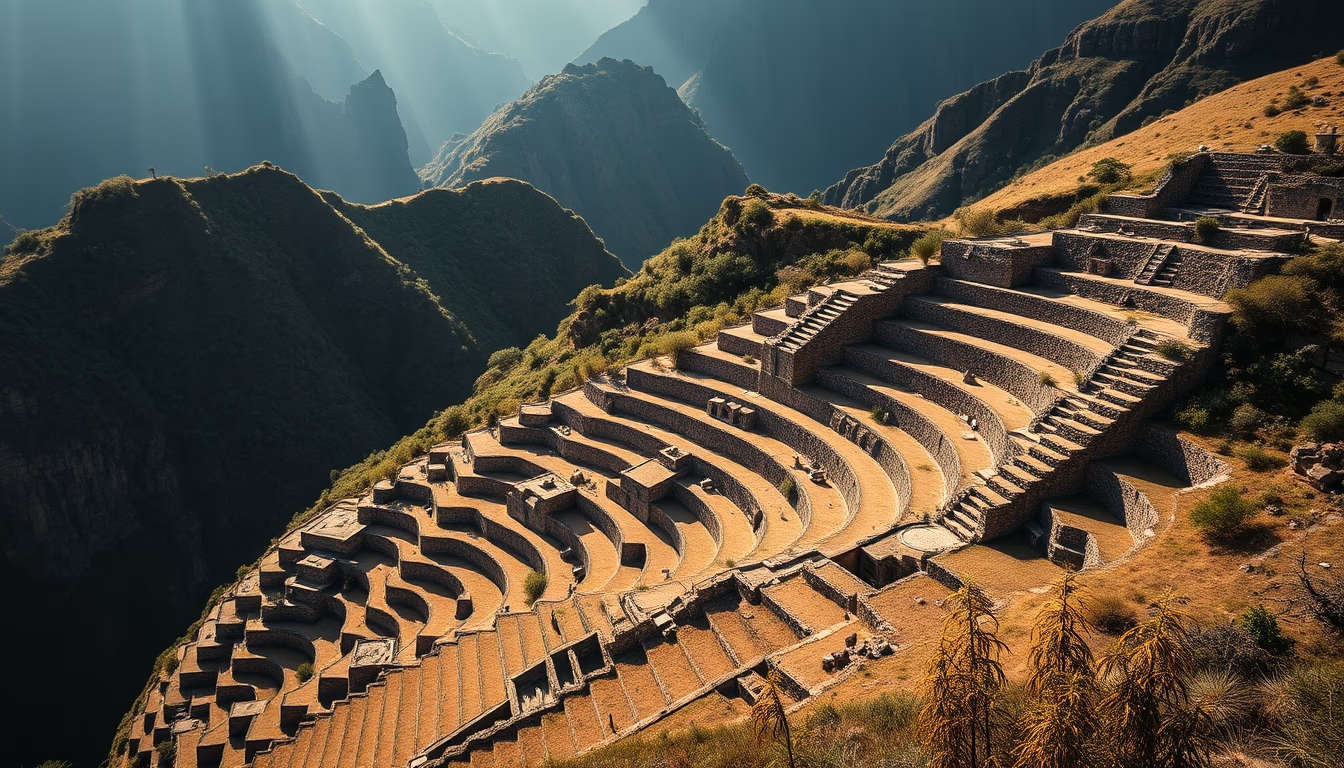
Incan terraces, also known as andenes, represent one of the greatest agricultural engineering achievements of the pre-Columbian era. Built from the 13th to the 16th century, these stepped platform systems were carved into the steep slopes of the Andes, mainly in present-day Peru but also in parts of Ecuador, Bolivia, Chile, and Argentina. Each terrace was composed of dry stone walls without mortar that retained soil and allowed cultivation at altitudes ranging from 2,500 to 4,000 meters. The Incas leveraged microclimatic variations at different elevations to grow a diversity of crops: maize in the lower, warmer areas; potatoes and quinoa in the higher, colder zones. Furthermore, the terraces incorporated drainage and irrigation systems with canals that diverted water from glaciers and rivers, preventing erosion and ensuring harvests even during dry periods.
Building the terraces required deep knowledge of soil, hydrology, and astronomy. The Incas aligned the stone walls to absorb sunlight during the day and release it at night, protecting plants from frost. It is estimated that the Inca civilization constructed over a million hectares of terraces, many of which are still used by Andean communities today. A notable example is the archaeological site of Moray, where concentric terraces created different temperature zones, functioning as an agricultural laboratory to adapt species to various climatic conditions. Machu Picchu, the iconic Inca city, also features terraces that supported its population and reinforced slope stability.
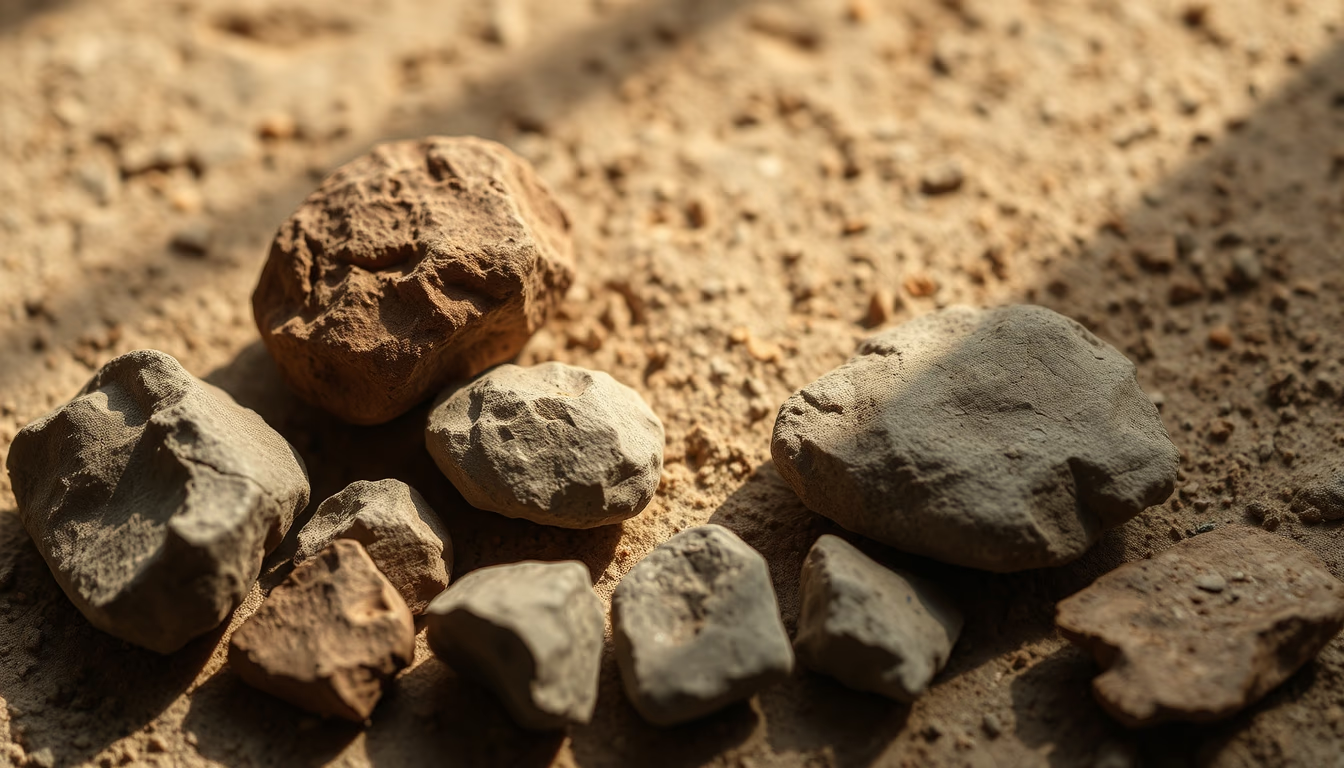
Today, Inca terraces are considered cultural and environmental heritage. UNESCO has recognized several sites with terraces, such as the Sacred Valley of the Incas and Machu Picchu itself, as World Heritage sites. Modern sustainable agriculture techniques draw inspiration from these systems to combat erosion in mountainous regions. However, many terraces were abandoned after the Spanish conquest and are threatened by urban growth and lack of maintenance. Local and international organizations work on restoring andenes, valuing ancestral knowledge and promoting cultural tourism. Macrophotography of these structures reveals details of Inca masonry, such as the precise fitting of stones and the soil layers that still hold traces of centuries-old crops.
Frequently Asked Questions
What were Inca terraces used for?
Incan terraces were primarily used for agriculture on steep slopes, allowing cultivation of crops like maize, potatoes, and quinoa. They also prevented soil erosion and created favorable microclimates for plants.
Where are Inca terraces located?
Inca terraces are spread across the Andean region, especially in Peru, in places like the Sacred Valley, Machu Picchu, and Moray. They also exist in Ecuador, Bolivia, Chile, and Argentina.
How did the Incas build the terraces without modern tools?
The Incas used stone and bronze tools, along with advanced knowledge of engineering and astronomy. Stones were fitted perfectly without mortar, and the drainage system was carefully designed to withstand earthquakes and heavy rains.
Direct URL
https://pub-c7d6a6ea828543ac903a74a341ccb2e1.r2.dev/imagens/incan-terraces-macro-closeup-p9.avifHow to credit
Include a visible link back to UtilizAí. Copy one of the snippets below:
<a href="https://xn--utiliza-eza.com/en/midia/imagens/incan-terraces-macro-closeup-p9">Incan terraces</a> by <a href="https://xn--utiliza-eza.com">UtilizAí</a>, licensed under <a href="https://creativecommons.org/licenses/by/4.0/">CC BY 4.0</a>.
[Incan terraces](https://xn--utiliza-eza.com/en/midia/imagens/incan-terraces-macro-closeup-p9) by [UtilizAí](https://xn--utiliza-eza.com), CC BY 4.0
License: CC-BY-4.0