Incan terraces
1344×768 · AVIF · CC BY 4.0
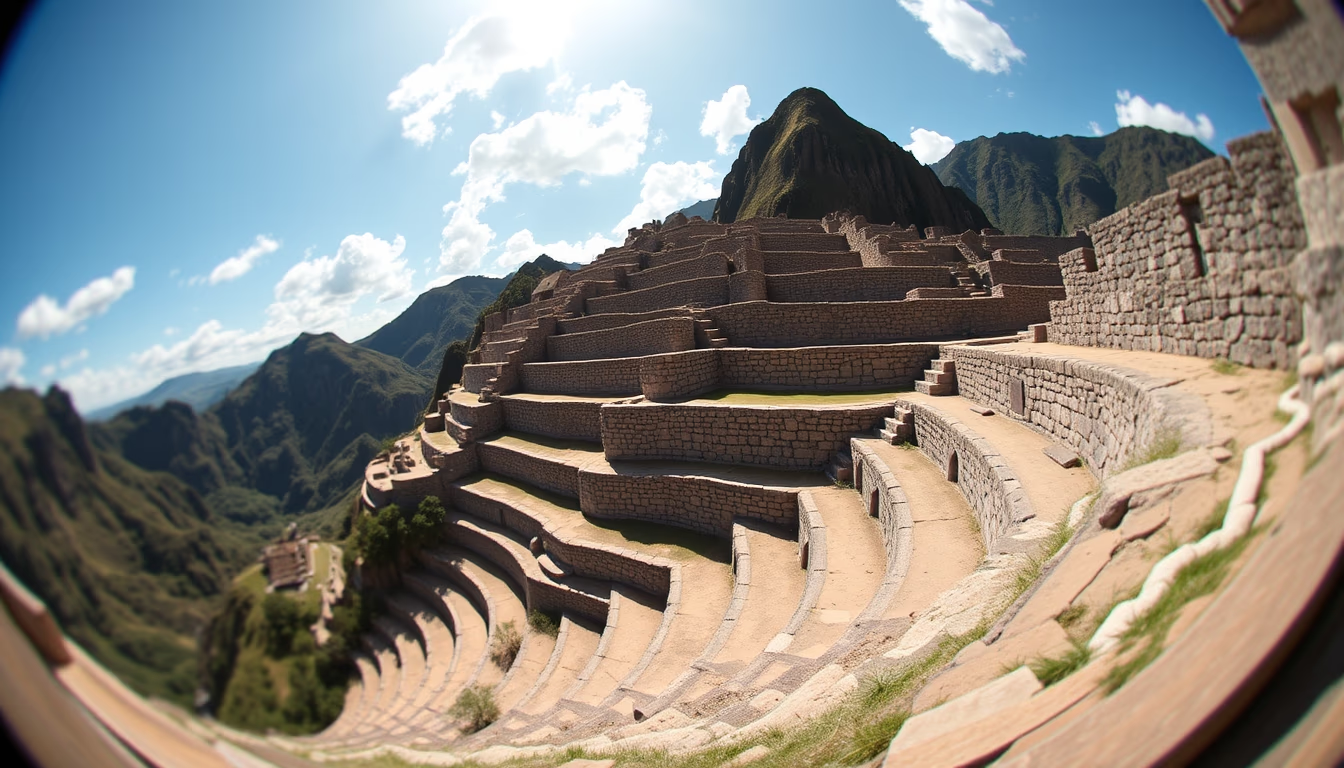
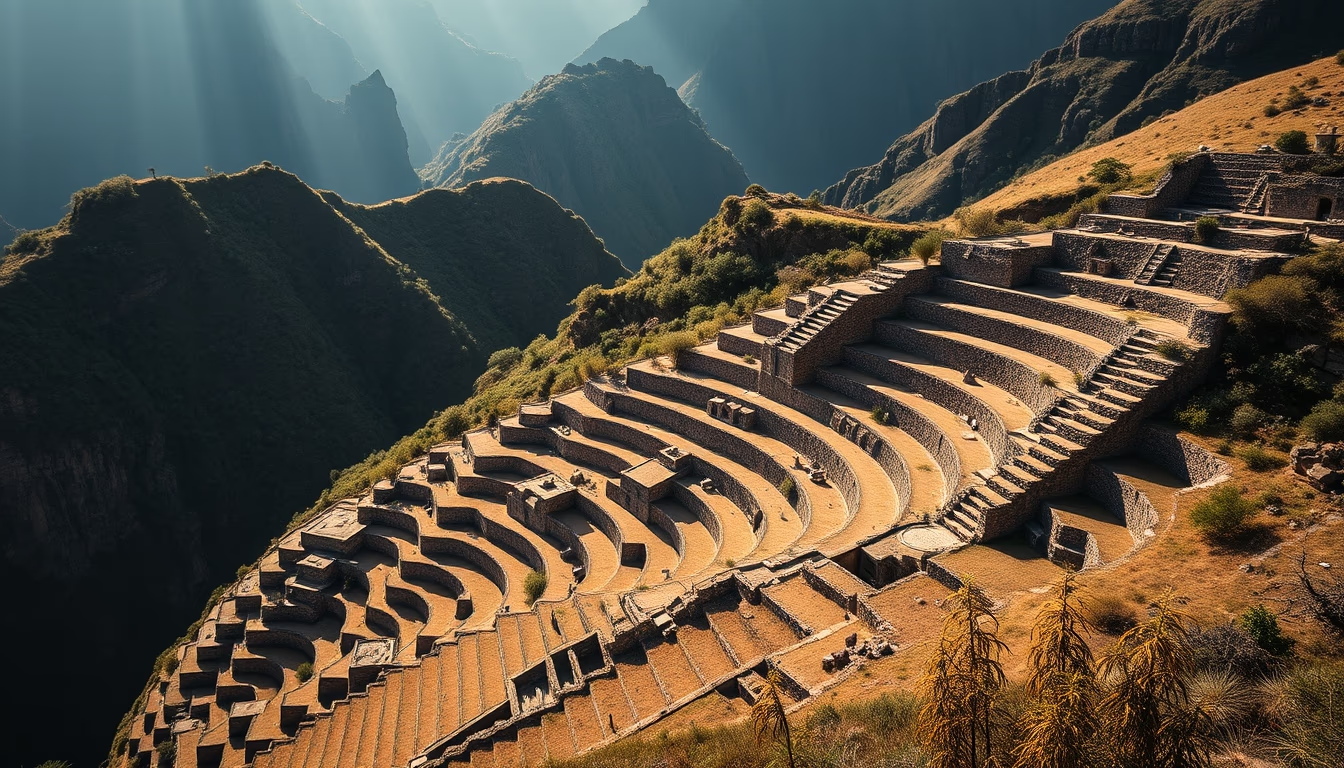
Incan terraces are stepped agricultural structures built by the Incas in the Andes, essential for farming on steep mountain slopes.
About this subject
Incan terraces, also known as andenes, are an impressive feat of agricultural engineering developed by the Inca civilization between the 13th and 16th centuries. Built mainly in the Andean valleys of Peru, such as the Sacred Valley and the slopes of Machu Picchu, these stepped platforms allowed cultivation on steep terrain where traditional farming would be impossible. Each terrace consisted of dry-stone walls that retained soil and created flat surfaces, with efficient drainage systems to prevent erosion and control irrigation.
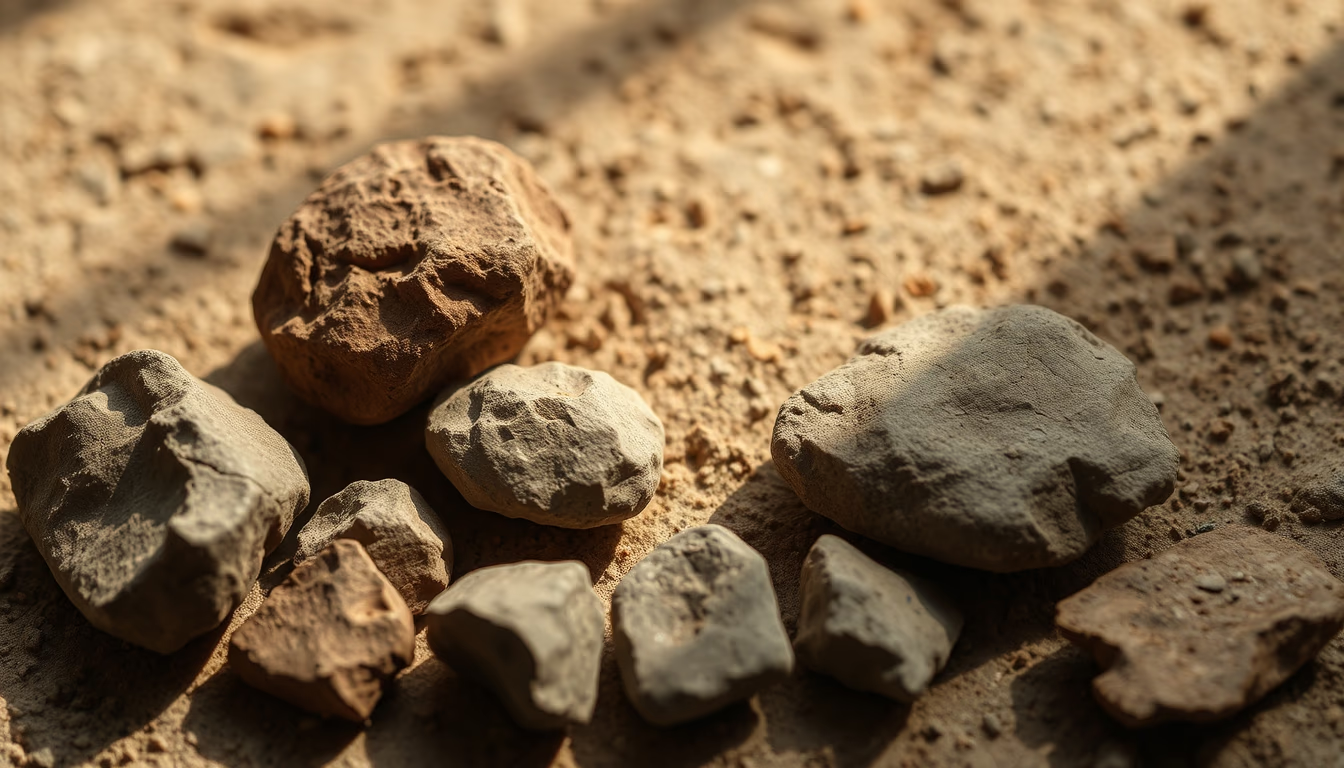
Construction of Incan terraces demonstrated deep knowledge of geology and hydrology. The Incas used locally sourced stones fitted without mortar, a technique that ensured stability even during earthquakes. The irrigation system included canals and aqueducts that distributed water from springs or nearby rivers, often diverting flow to supply different levels. It is estimated that the terraces significantly boosted agricultural productivity, enabling the cultivation of maize, potatoes, quinoa, and other crops that sustained the empire's population.
Culturally, the terraces represented the Incas' symbiotic relationship with the landscape. They not only adapted the environment to their needs but also integrated it into rituals and beliefs. Many terraces were aligned with astronomical events, such as solstices, highlighting the importance of agriculture in the Inca worldview. Today, many of these terraces are still used by local communities, who maintain traditional techniques, and are recognized as UNESCO World Heritage sites, as part of the historic sanctuary of Machu Picchu.
Frequently Asked Questions
How did the Incas build terraces without modern machinery?
The Incas used manual stone and bronze tools, along with levers and ropes to move large blocks. Stones were perfectly fitted without mortar, a technique that ensured stability and earthquake resistance.
What crops were grown on Incan terraces?
Main crops included maize, potatoes, quinoa, beans, and chili peppers. Each terrace could have different microclimates, allowing cultivation of varieties adapted to different altitudes.
Are Incan terraces still used today?
Yes, many Andean communities still farm on the original terraces, preserving ancient irrigation and crop rotation techniques. They are also important archaeological sites and tourist attractions.
Direct URL
https://pub-c7d6a6ea828543ac903a74a341ccb2e1.r2.dev/imagens/incan-terraces-fish-eye-wide-angle-p3.avifHow to credit
Include a visible link back to UtilizAí. Copy one of the snippets below:
<a href="https://xn--utiliza-eza.com/en/midia/imagens/incan-terraces-fish-eye-wide-angle-p3">Incan terraces</a> by <a href="https://xn--utiliza-eza.com">UtilizAí</a>, licensed under <a href="https://creativecommons.org/licenses/by/4.0/">CC BY 4.0</a>.
[Incan terraces](https://xn--utiliza-eza.com/en/midia/imagens/incan-terraces-fish-eye-wide-angle-p3) by [UtilizAí](https://xn--utiliza-eza.com), CC BY 4.0
License: CC-BY-4.0