Incan terraces
1344×768 · AVIF · CC BY 4.0
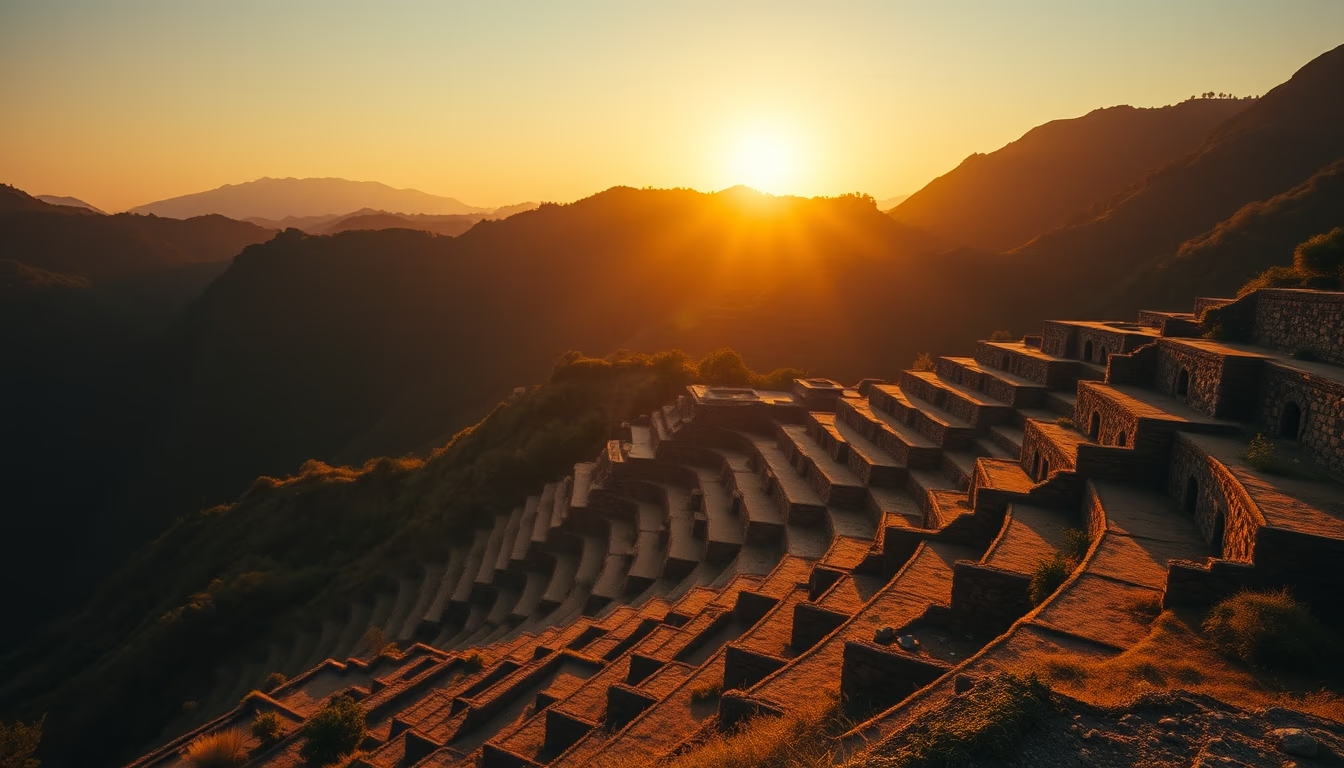
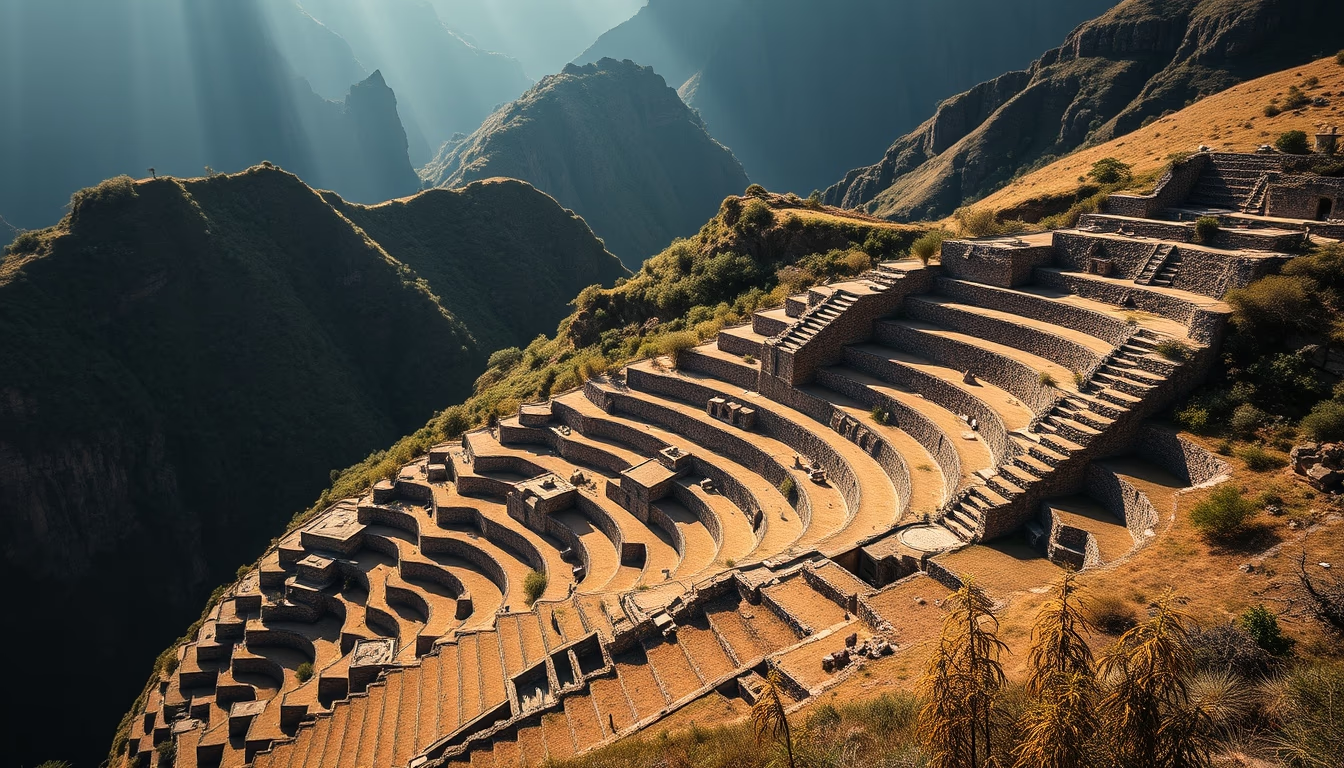
Incan terraces, also known as andenes, are an impressive feat of agricultural engineering built by the Incas on the slopes of the Andes.
About this subject
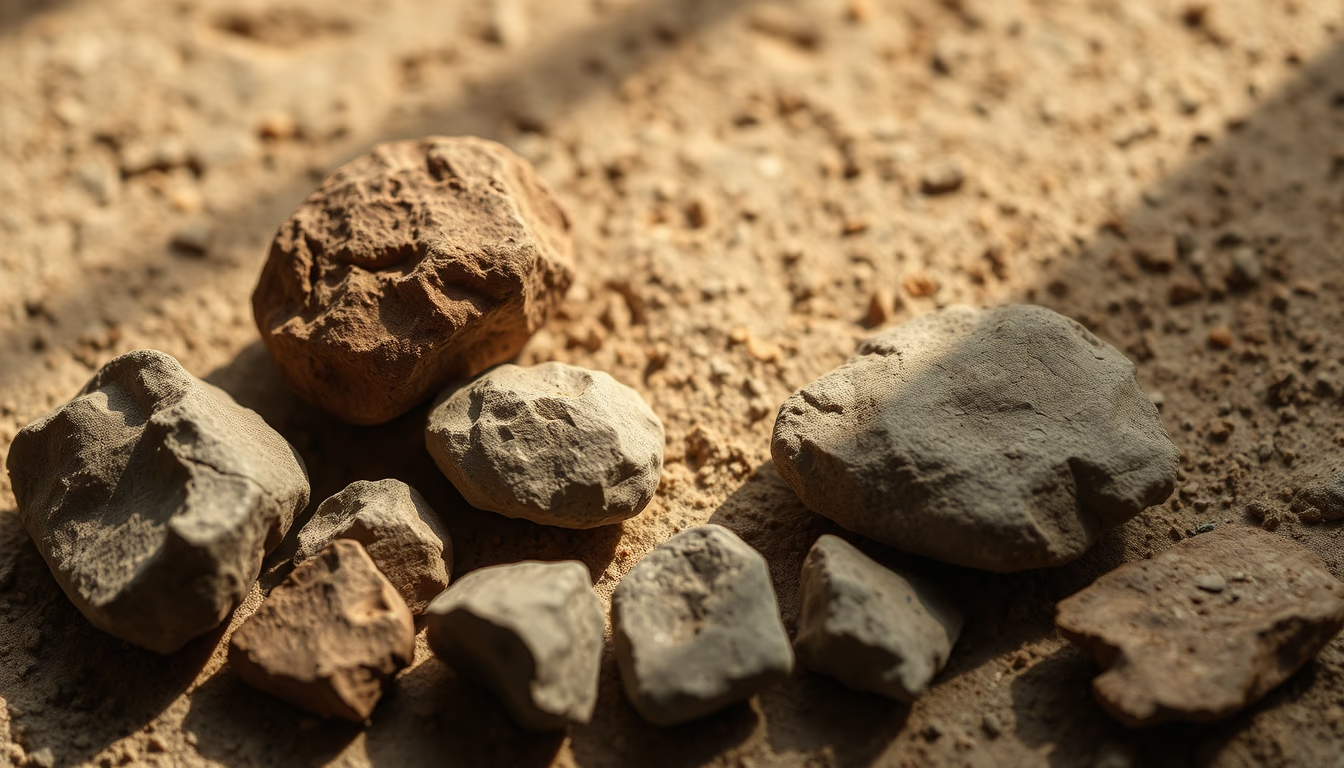
Incan terraces, or andenes, are stepped agricultural structures carved into the slopes of the Andes, primarily in Peru but also in parts of Ecuador, Bolivia, Chile, and Argentina. They were built between the 13th and 16th centuries, during the peak of the Inca Empire. Each terrace consisted of stone retaining walls filled with layers of gravel, sand, and fertile soil, creating an efficient drainage system. This design allowed cultivation at high altitudes, where soil would naturally be poor and prone to erosion.
The construction of andenes demonstrates the Incas' deep knowledge of engineering and agronomy. The terraces not only increased arable land but also regulated soil temperature, reducing nighttime frost, and optimized water use through channels that distributed irrigation by gravity. It is estimated that the Inca Empire had about one million hectares of terraces, producing crops such as maize, potatoes, quinoa, and other vegetables. These structures also served as barriers against landslides and contributed to slope stability.
Today, many Incan terraces are still used by local communities, preserving ancestral techniques. Archaeological sites like Machu Picchu, Ollantaytambo, and Moray showcase remarkable examples of this system, which continues to inspire sustainable agriculture practices. Despite centuries of abandonment and erosion, the andenes remain a testament to human adaptability to the Andean environment and are recognized as UNESCO World Heritage sites.
Frequently Asked Questions
How did the Incas build the terraces?
The Incas built the terraces by carving into mountain slopes and erecting stone walls without mortar. They then filled the interior with layers of large stones, gravel, and fertile soil, ensuring drainage and stability.
Which crops were grown on Incan terraces?
The Incas cultivated maize, potatoes, quinoa, beans, chili peppers, and various Andean tubers. The different altitudes of the terraces allowed for planting varieties adapted to each microclimate.
Where can I see preserved Incan terraces today?
The most famous terraces are at Machu Picchu, Peru. Other notable examples include Ollantaytambo, Moray, Pisac, and Tipón, all in the Sacred Valley of the Incas.
Direct URL
https://pub-c7d6a6ea828543ac903a74a341ccb2e1.r2.dev/imagens/incan-terraces-cinematic-wide-shot-p6.avifHow to credit
Include a visible link back to UtilizAí. Copy one of the snippets below:
<a href="https://xn--utiliza-eza.com/en/midia/imagens/incan-terraces-cinematic-wide-shot-p6">Incan terraces</a> by <a href="https://xn--utiliza-eza.com">UtilizAí</a>, licensed under <a href="https://creativecommons.org/licenses/by/4.0/">CC BY 4.0</a>.
[Incan terraces](https://xn--utiliza-eza.com/en/midia/imagens/incan-terraces-cinematic-wide-shot-p6) by [UtilizAí](https://xn--utiliza-eza.com), CC BY 4.0
License: CC-BY-4.0