Illustrated postcard 1900
1344×768 · AVIF · CC BY 4.0
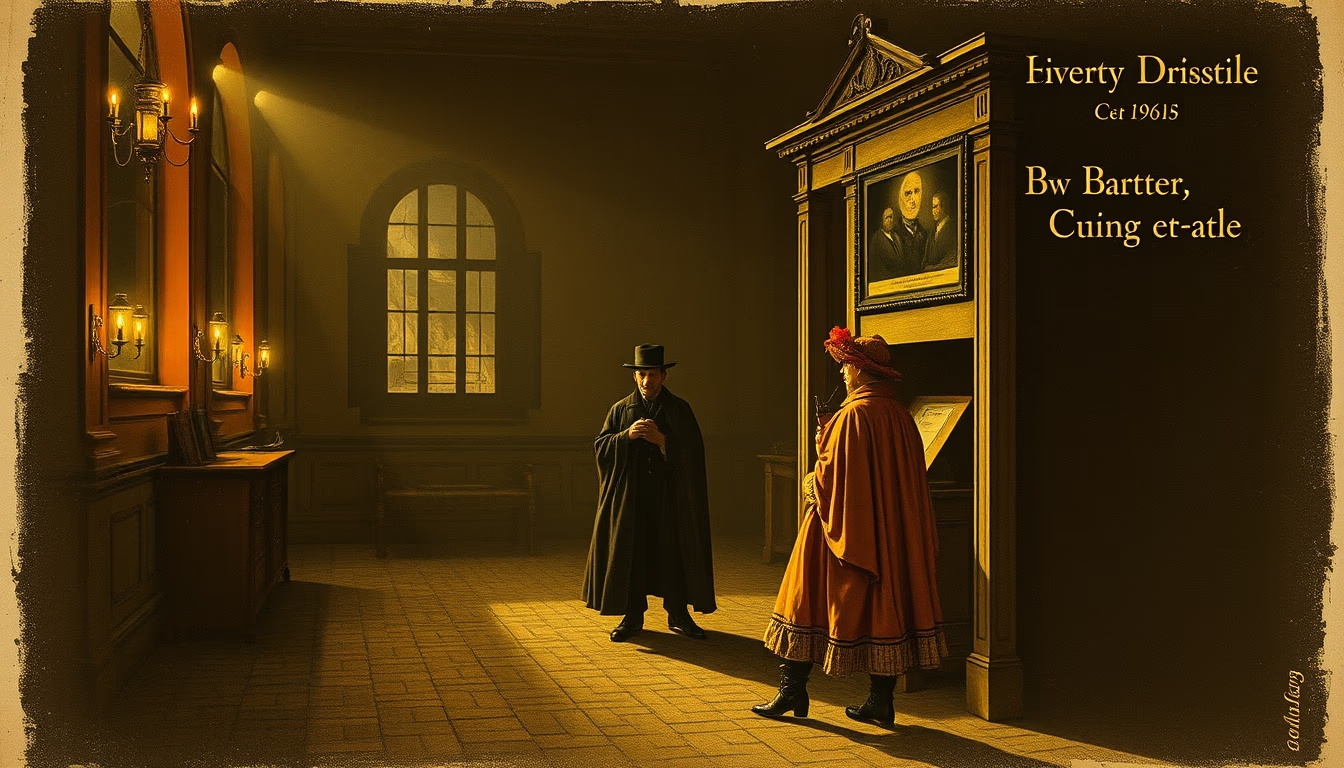
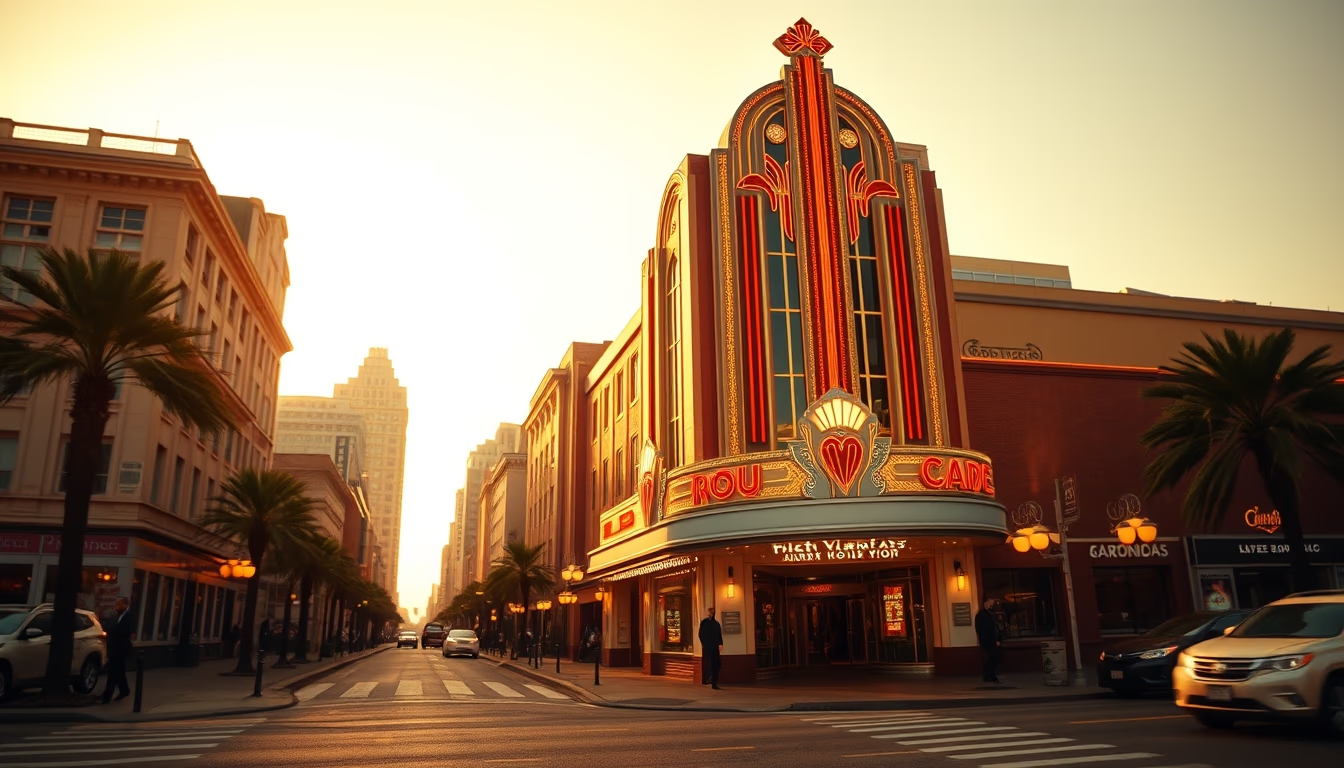
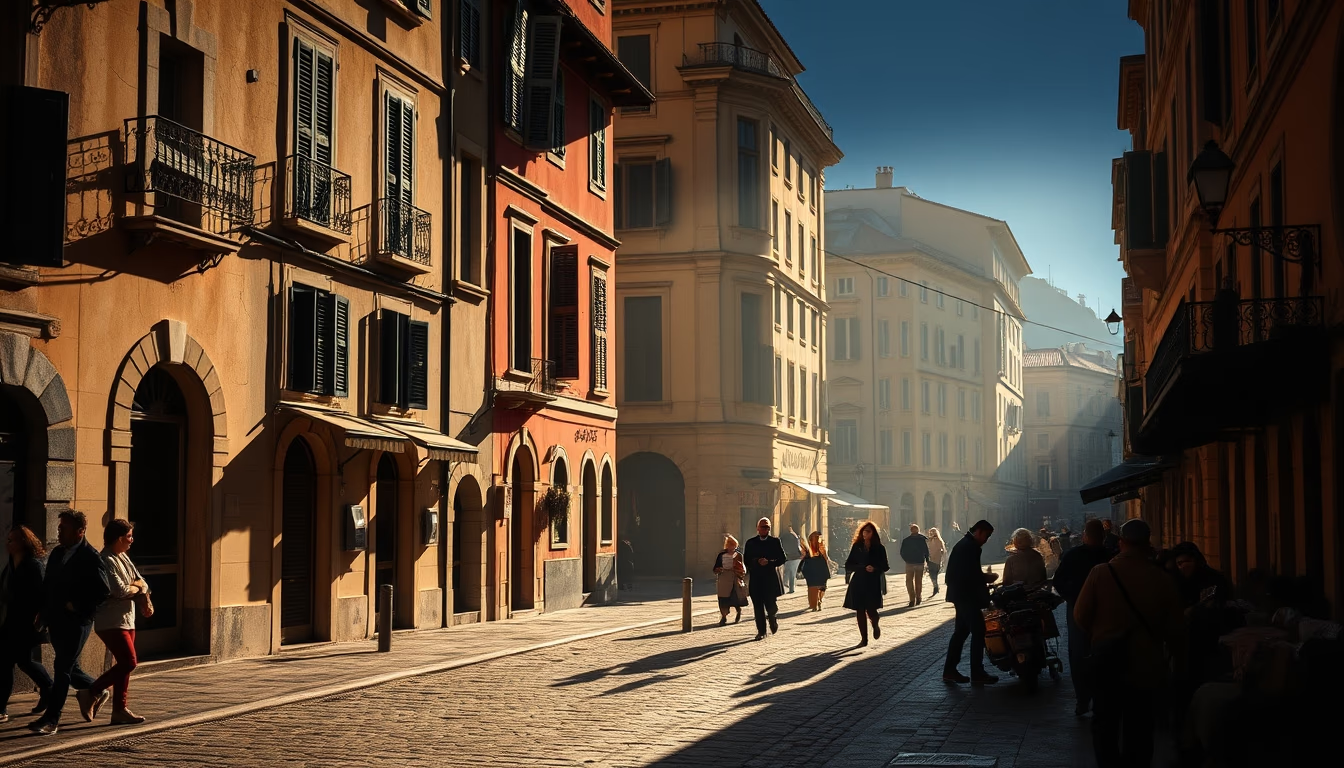
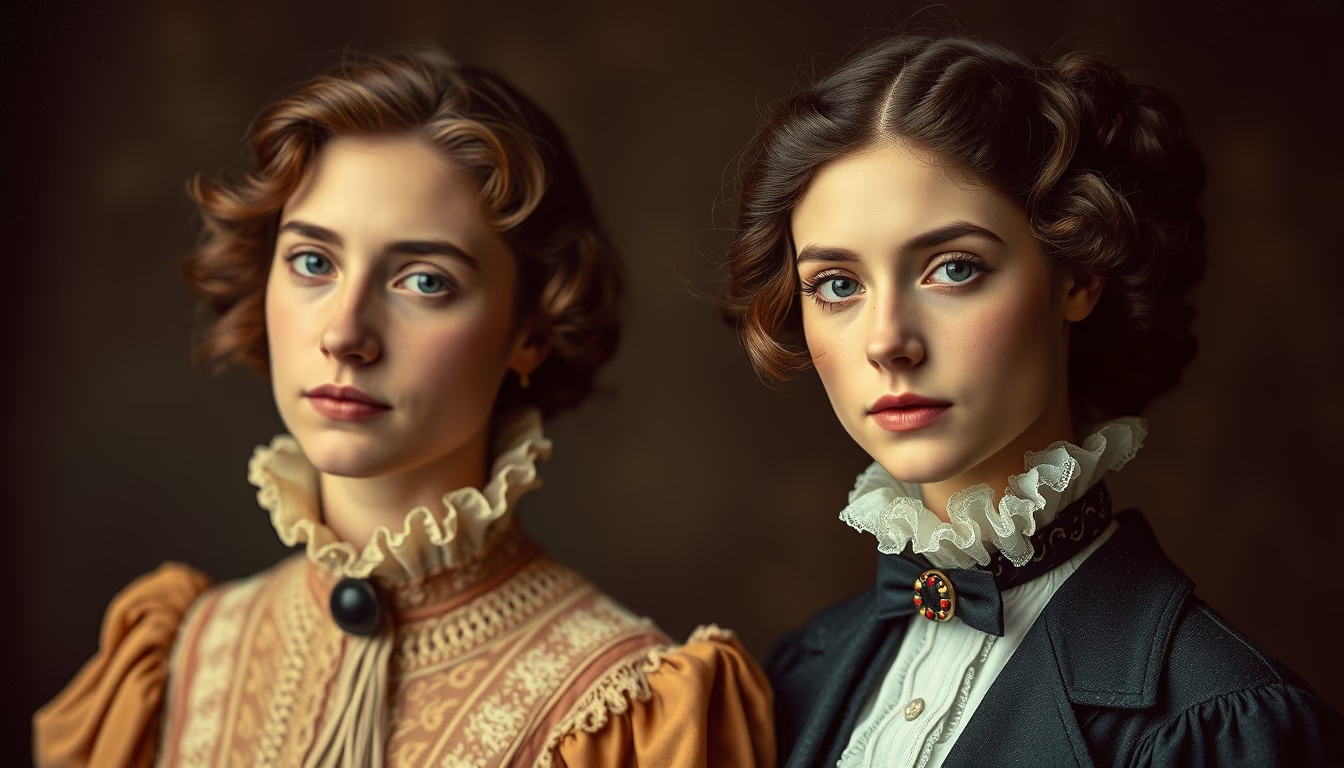
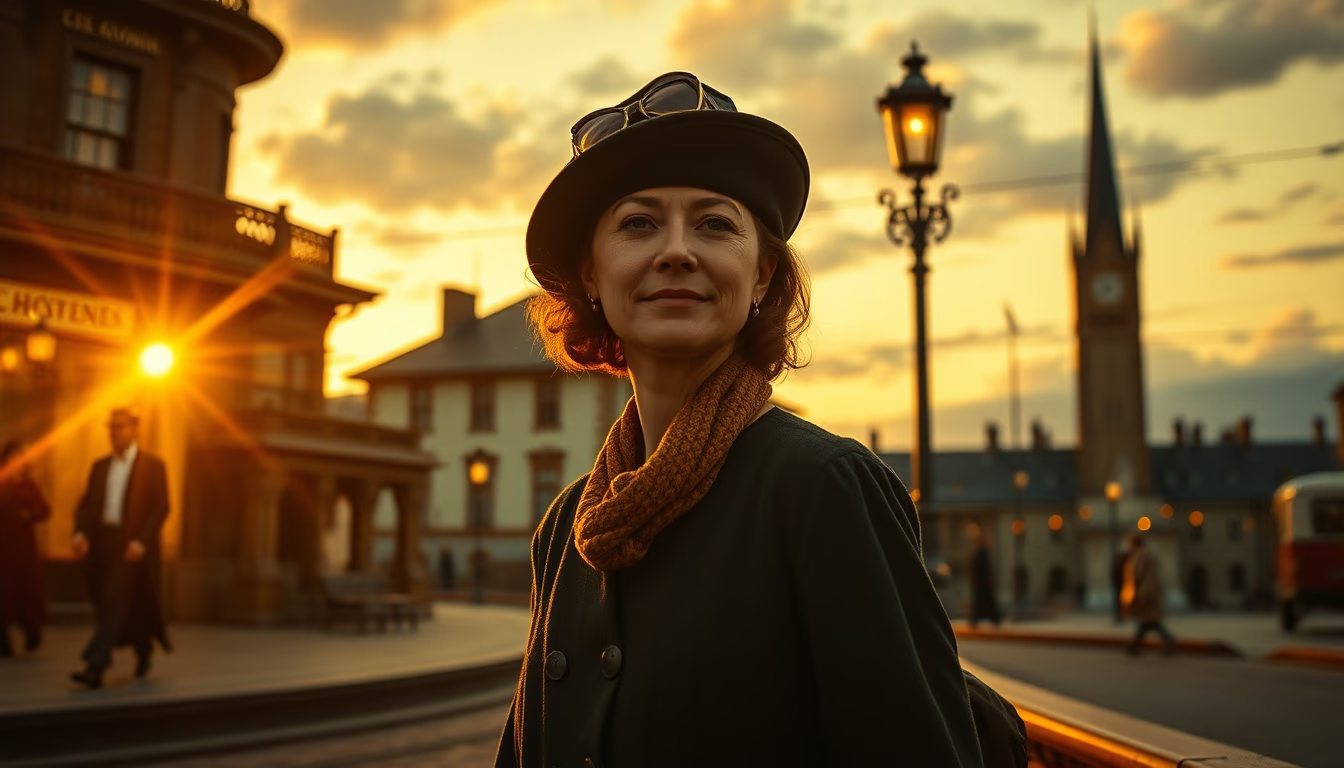
Illustrated postcards from 1900 merged art and communication, reflecting the Belle Époque aesthetic and the peak of lithographic technique.
About this subject
Illustrated postcards from the year 1900 represent a landmark in the history of visual communication. Mass-produced during the Belle Époque, these pieces combined artistic illustrations with personal messages, serving as souvenirs, informal correspondence, and collectibles. The predominant technique was hand-colored lithography or chromolithography, which allowed vibrant and detailed reproductions. The 1900 Paris Universal Exposition boosted production, with thousands of postcards depicting pavilions, inventions, and urban scenes.
The use of dramatic lighting and deep shadows, inspired by Rembrandt's chiaroscuro, gave the illustrations a theatrical and emotional quality. Artists applied strong contrasts between light and dark to emphasize figures or landscapes, a technique that required great skill from lithographers. These postcards not only documented the fashion, architecture, and customs of the time but also disseminated artistic styles such as Art Nouveau, with its organic lines and floral themes.
In Brazil, illustrated postcards arrived quickly, depicting cities like Rio de Janeiro and São Paulo undergoing transformation. The practice of sending postcards became a social phenomenon, with European publishers (especially French and German) dominating the global market. Each card was a window to the world, combining text and image in an innovative way for the era, and anticipating the era of postcards as mass media.
Frequently Asked Questions
What characterized an illustrated postcard from 1900?
They were postcards with artistic illustrations, usually in chromolithography, depicting landscapes, urban scenes or events. They stood out for their vivid colors and, in some cases, dramatic lighting inspired by Rembrandt.
What was the importance of the 1900 Paris Universal Exposition for postcards?
The exposition marked a milestone in popularizing postcards, generating millions of copies showing pavilions, inventions, and the fair itself. Many of these cards became historical collectibles.
How was the dramatic lighting technique applied to postcards?
Lithograph artists used strong contrasts between light and shadow (chiaroscuro) to give volume and emotion to scenes. This required precision in color gradation and shadow drawing.
Direct URL
https://pub-c7d6a6ea828543ac903a74a341ccb2e1.r2.dev/imagens/illustrated-postcard-1900-rembrandt-lighting-dramatic-shadows-fresh15.avifHow to credit
Include a visible link back to UtilizAí. Copy one of the snippets below:
<a href="https://xn--utiliza-eza.com/en/midia/imagens/illustrated-postcard-1900-rembrandt-lighting-dramatic-shadows-fresh15">Illustrated postcard 1900</a> by <a href="https://xn--utiliza-eza.com">UtilizAí</a>, licensed under <a href="https://creativecommons.org/licenses/by/4.0/">CC BY 4.0</a>.
[Illustrated postcard 1900](https://xn--utiliza-eza.com/en/midia/imagens/illustrated-postcard-1900-rembrandt-lighting-dramatic-shadows-fresh15) by [UtilizAí](https://xn--utiliza-eza.com), CC BY 4.0
License: CC-BY-4.0