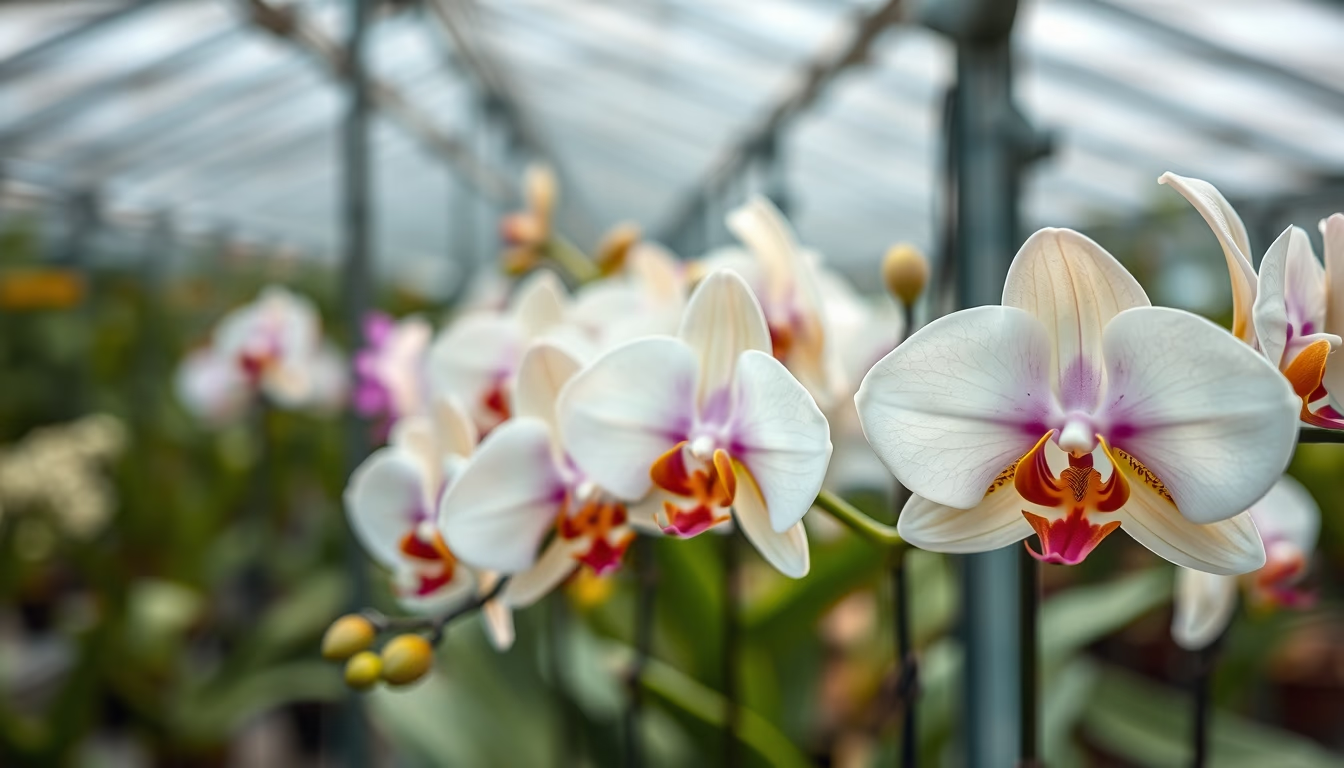
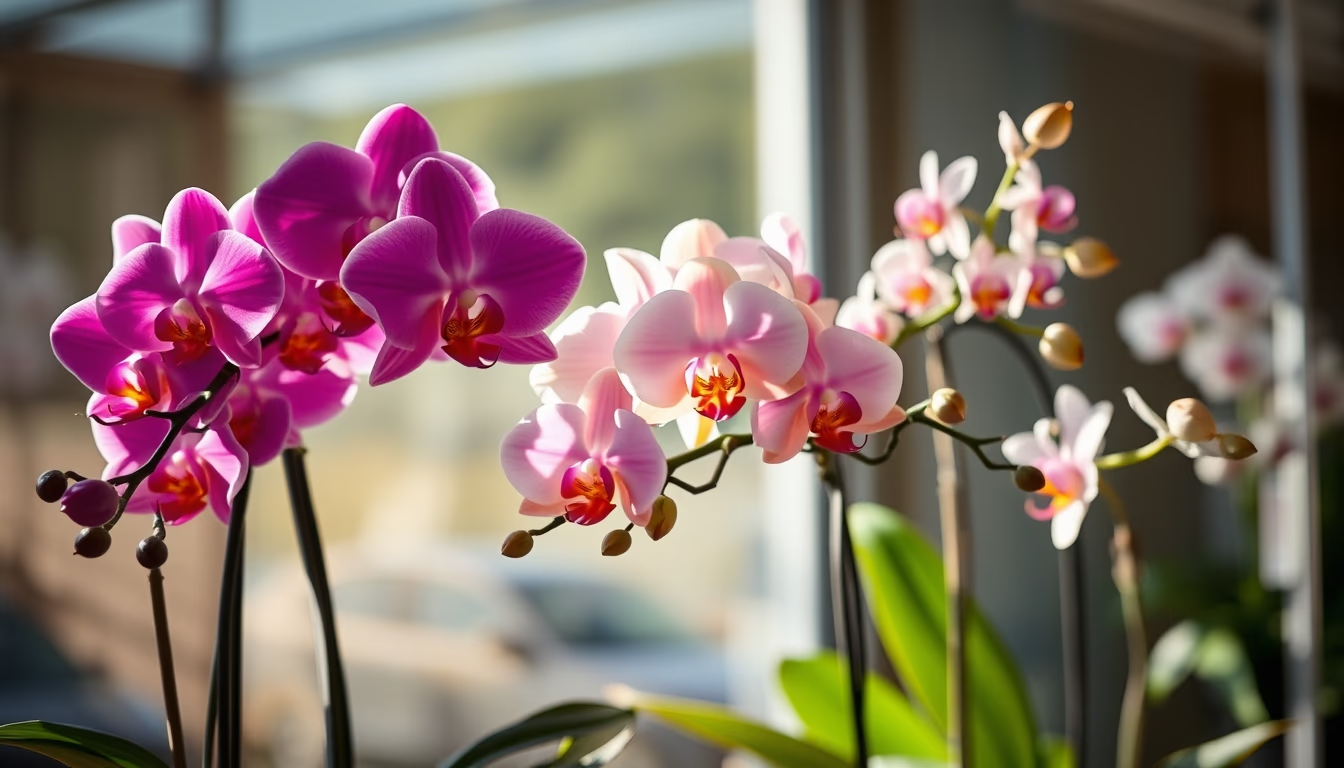
Ikebana japanese arrangement
1344×768 · AVIF · CC BY 4.0
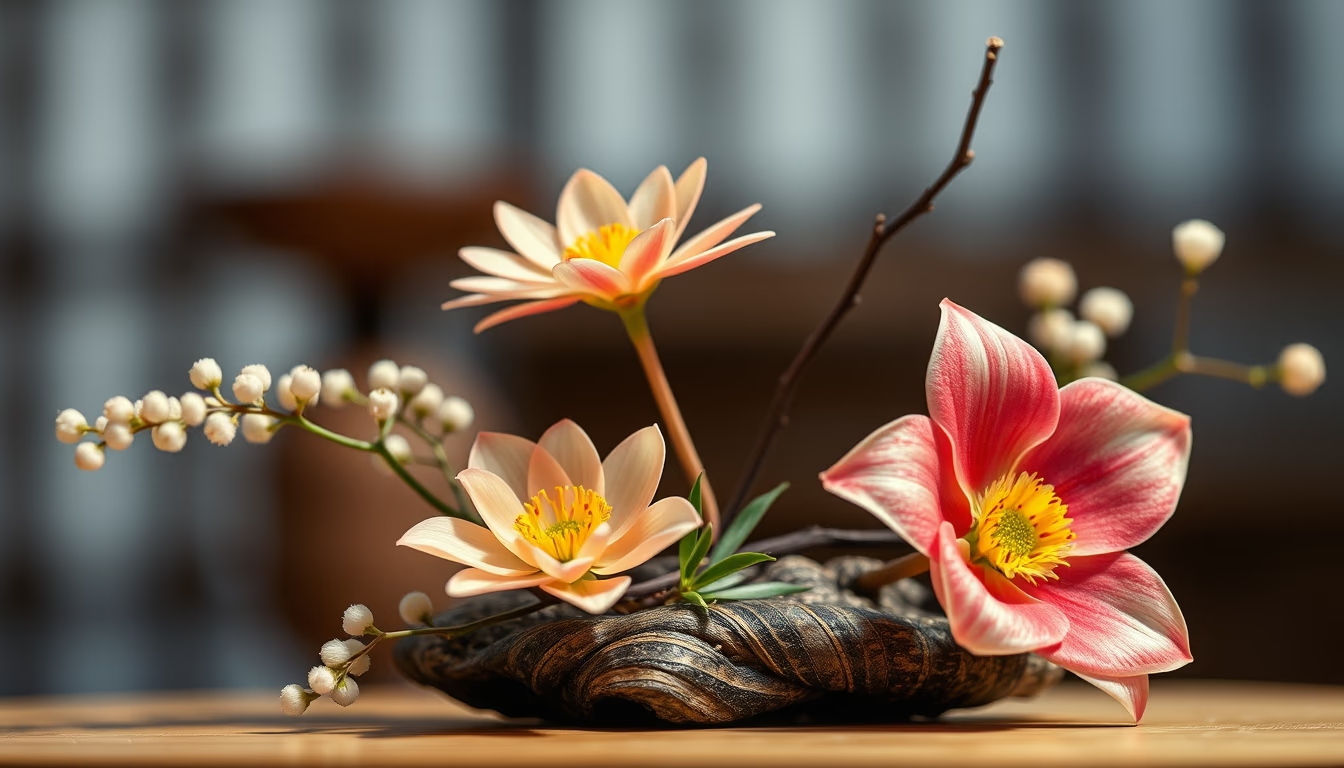
Ikebana is the Japanese art of flower arrangement emphasizing harmony, balance and simplicity, with roots in the 6th century.
About this subject
Ikebana, also known as kadō (the way of flowers), is a traditional Japanese art form that originated in the 6th century with the introduction of Buddhism to Japan. Initially, flowers were offered at Buddhist altars as symbols of impermanence. Over time, it evolved into a refined aesthetic practice, influenced by Shinto and Zen philosophy. The essence of Ikebana lies in the careful arrangement of branches, leaves and flowers, respecting lines and empty spaces to create a composition that reflects nature and the season.
Unlike Western floral arrangements, which emphasize abundance and color, Ikebana seeks asymmetry and minimalism. The three main elements are: shin (heaven), soe (man) and tai (earth), representing the forces of nature. The most well-known schools are Ikenobo, Sogetsu and Ohara, each with its own techniques and philosophies. The arrangement often uses a kenzan (needle holder) or a special container to secure the stems.
Culturally, Ikebana transcends decoration; it is an active meditation and a form of personal expression. Practiced by people of all ages, it requires concentration, patience and aesthetic sensitivity. In modern Japan, it is taught in schools and universities, and Ikebana exhibitions are held in museums and galleries. Moreover, it has influenced contemporary designers and artists worldwide, demonstrating its timeless relevance.
Frequently Asked Questions
What is Ikebana and how did it originate?
Ikebana is the Japanese art of flower arrangement, originating in the 6th century with Buddhist offerings. It combines Zen and Shinto principles to create minimalist, symbolic compositions.
What are the main styles of Ikebana?
Three major schools stand out: Ikenobo (oldest), Sogetsu (modern and free) and Ohara (emphasis on natural landscapes). Each has specific rules for height, angle and positioning.
How does Ikebana differ from Western floral arrangements?
Ikebana values asymmetry, empty space and structural lines, while Western style prioritizes volume, symmetry and vibrant colors. In Ikebana, each stem has a specific meaning and position.
Direct URL
https://pub-c7d6a6ea828543ac903a74a341ccb2e1.r2.dev/imagens/ikebana-japanese-arrangement-macro-closeup-fresh6.avifHow to credit
Include a visible link back to UtilizAí. Copy one of the snippets below:
<a href="https://xn--utiliza-eza.com/en/midia/imagens/ikebana-japanese-arrangement-macro-closeup-fresh6">Ikebana japanese arrangement</a> by <a href="https://xn--utiliza-eza.com">UtilizAí</a>, licensed under <a href="https://creativecommons.org/licenses/by/4.0/">CC BY 4.0</a>.
[Ikebana japanese arrangement](https://xn--utiliza-eza.com/en/midia/imagens/ikebana-japanese-arrangement-macro-closeup-fresh6) by [UtilizAí](https://xn--utiliza-eza.com), CC BY 4.0
License: CC-BY-4.0