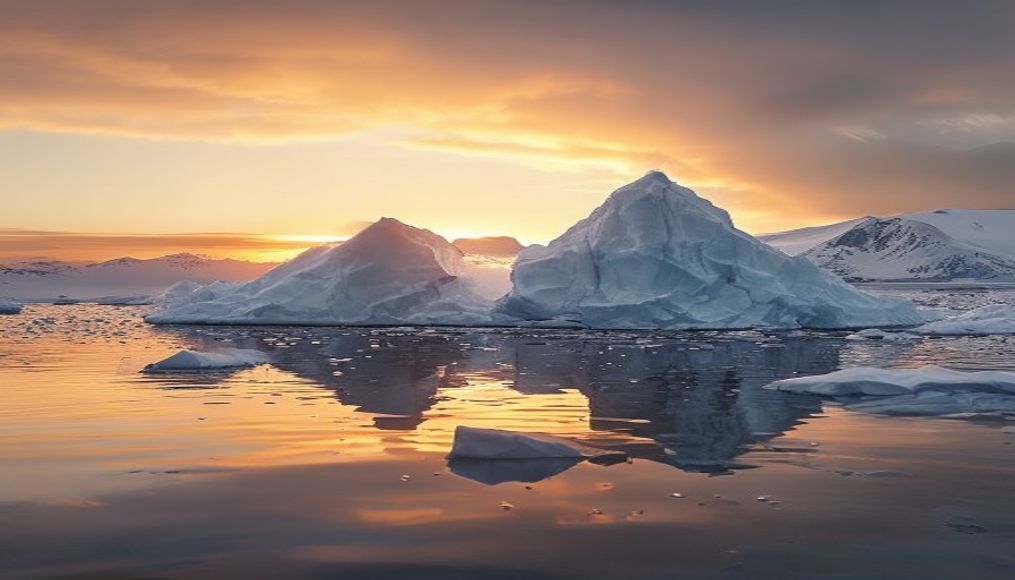
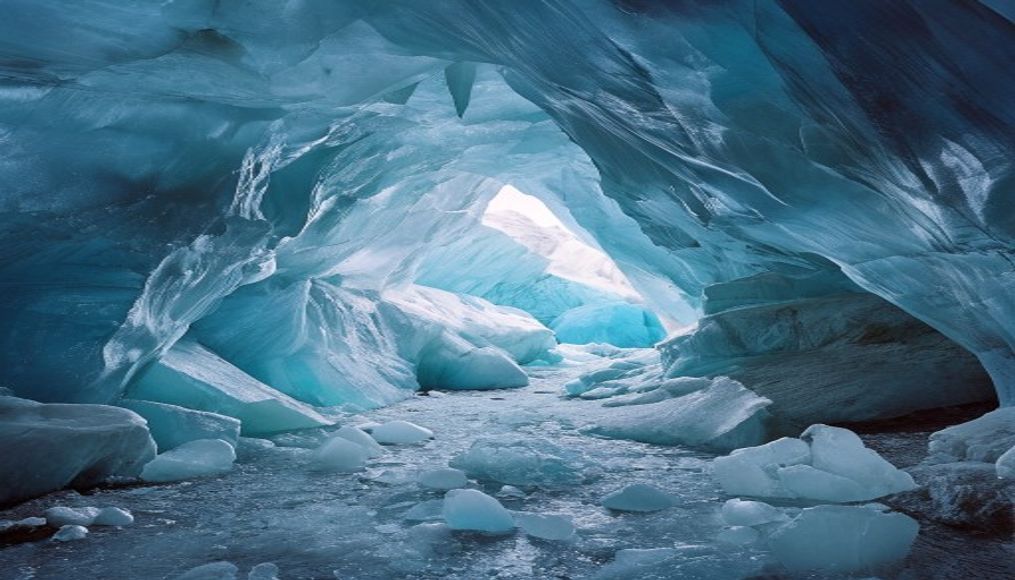
Ice climbing wall
1344×768 · AVIF · CC BY 4.0
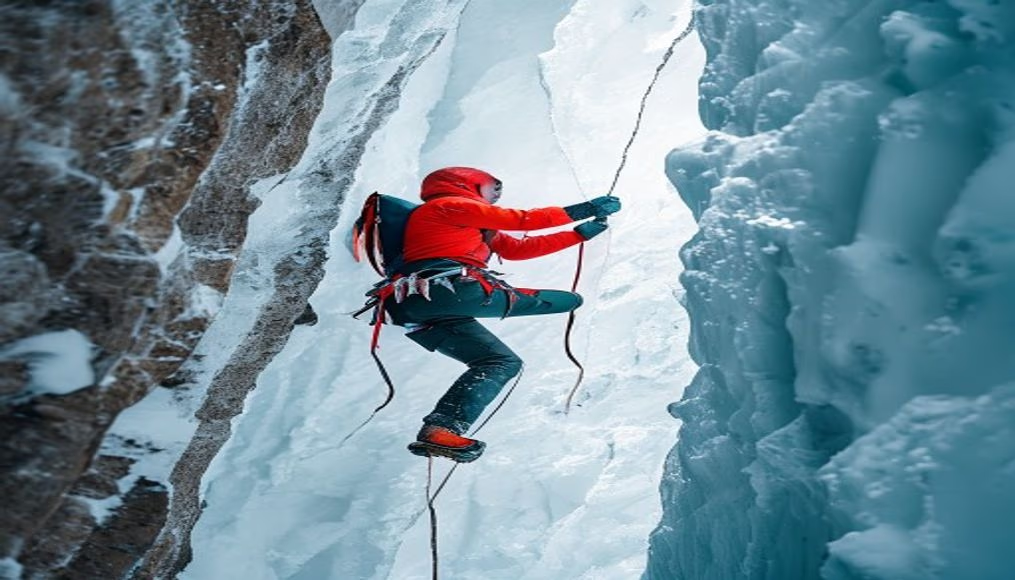
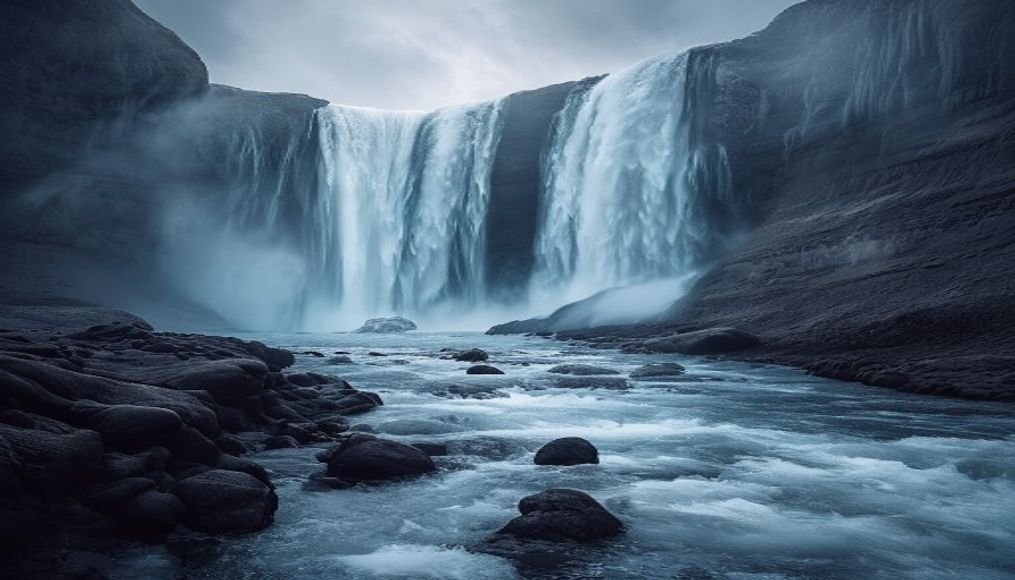
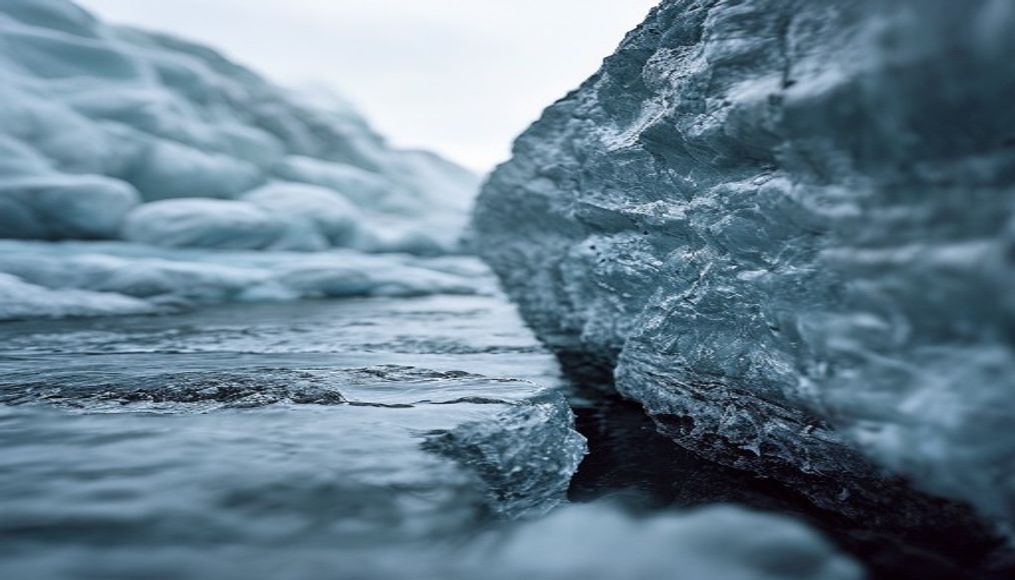
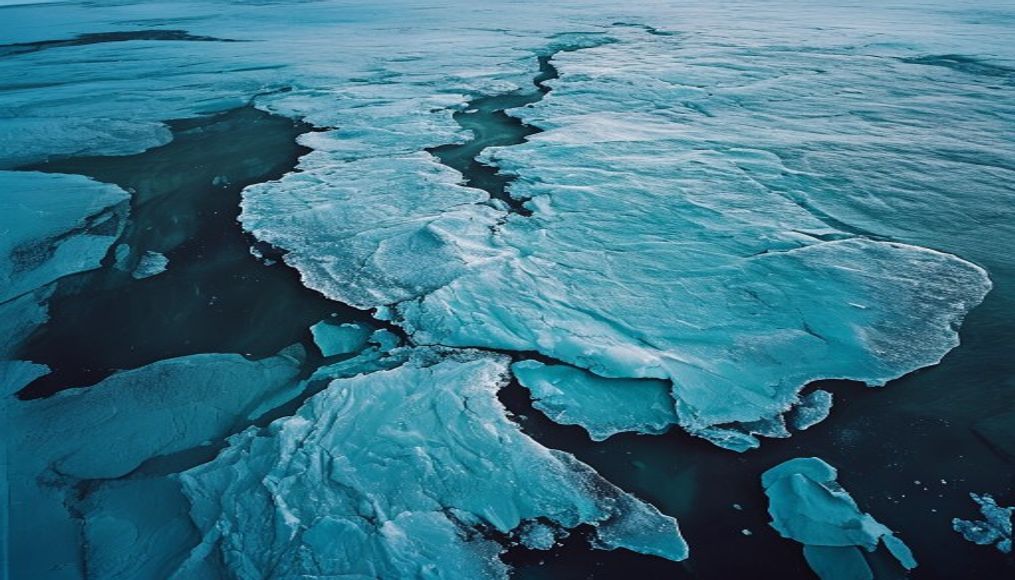
Ice climbing walls combine technique, safety, and extreme glacial landscapes.
About this subject
Ice climbing walls are natural or artificial structures that enable the practice of ice climbing, a discipline requiring strength, balance, and specific knowledge of ice behavior. In natural settings, these walls form on glaciers, frozen waterfalls, and ice-capped mountain faces, such as those in the Alps, Patagonia, or the Rocky Mountains. Ice climbing employs tools like ice axes and crampons, along with anchoring techniques to ensure climber safety.
In Brazil, the practice is limited due to the tropical climate, but artificial walls in climbing gyms simulate ice using synthetic materials, allowing year-round training. Internationally, destinations like Yosemite Valley in California and Banff National Park in Canada offer natural ice walls that attract climbers worldwide. The formation of these walls depends on harsh climatic conditions, with subzero temperatures and controlled humidity.
Ice climbing originated in 19th-century mountaineering when alpinists began exploring glaciers and frozen peaks. Over time, it evolved into an independent sport, with competitions such as the UIAA Ice Climbing World Cup. Safety is paramount, as ice can break or melt unpredictably. Modern equipment, such as ice screws and dynamic ropes, has enhanced reliability.
The term "ice climbing wall" also refers to artificial structures in adventure parks or gyms, where ice blocks or resin-coated plastic panels mimic ice texture. These installations allow beginners to learn basic techniques before facing real conditions. The minimalist composition of images often highlights the purity of forms and the interplay between light and ice.
Frequently Asked Questions
What essential equipment is needed for ice climbing?
Basic equipment includes ice axes (piolets), crampons, ice screws, dynamic ropes, carabiners, and a helmet. Waterproof clothing and insulating layers are also necessary for protection against the cold.
Where are the best natural ice climbing walls located?
Mountainous regions with glaciers, such as the Swiss Alps, Argentine Patagonia, Banff National Park in Canada, and Yosemite Valley in the USA, offer world-renowned ice climbing walls.
Is it possible to practice ice climbing in Brazil?
Yes, but mainly on artificial walls in climbing gyms. Some southern regions, like Serra Gaúcha, may have temporary ice formations during harsh winters, but outdoor practice is rare.
Direct URL
https://pub-c7d6a6ea828543ac903a74a341ccb2e1.r2.dev/imagens/ice-climbing-wall-minimalist-composition-p2.avifHow to credit
Include a visible link back to UtilizAí. Copy one of the snippets below:
<a href="https://xn--utiliza-eza.com/en/midia/imagens/ice-climbing-wall-minimalist-composition-p2">Ice climbing wall</a> by <a href="https://xn--utiliza-eza.com">UtilizAí</a>, licensed under <a href="https://creativecommons.org/licenses/by/4.0/">CC BY 4.0</a>.
[Ice climbing wall](https://xn--utiliza-eza.com/en/midia/imagens/ice-climbing-wall-minimalist-composition-p2) by [UtilizAí](https://xn--utiliza-eza.com), CC BY 4.0
License: CC-BY-4.0