Horseshoe iron forge
1344×768 · AVIF · CC BY 4.0
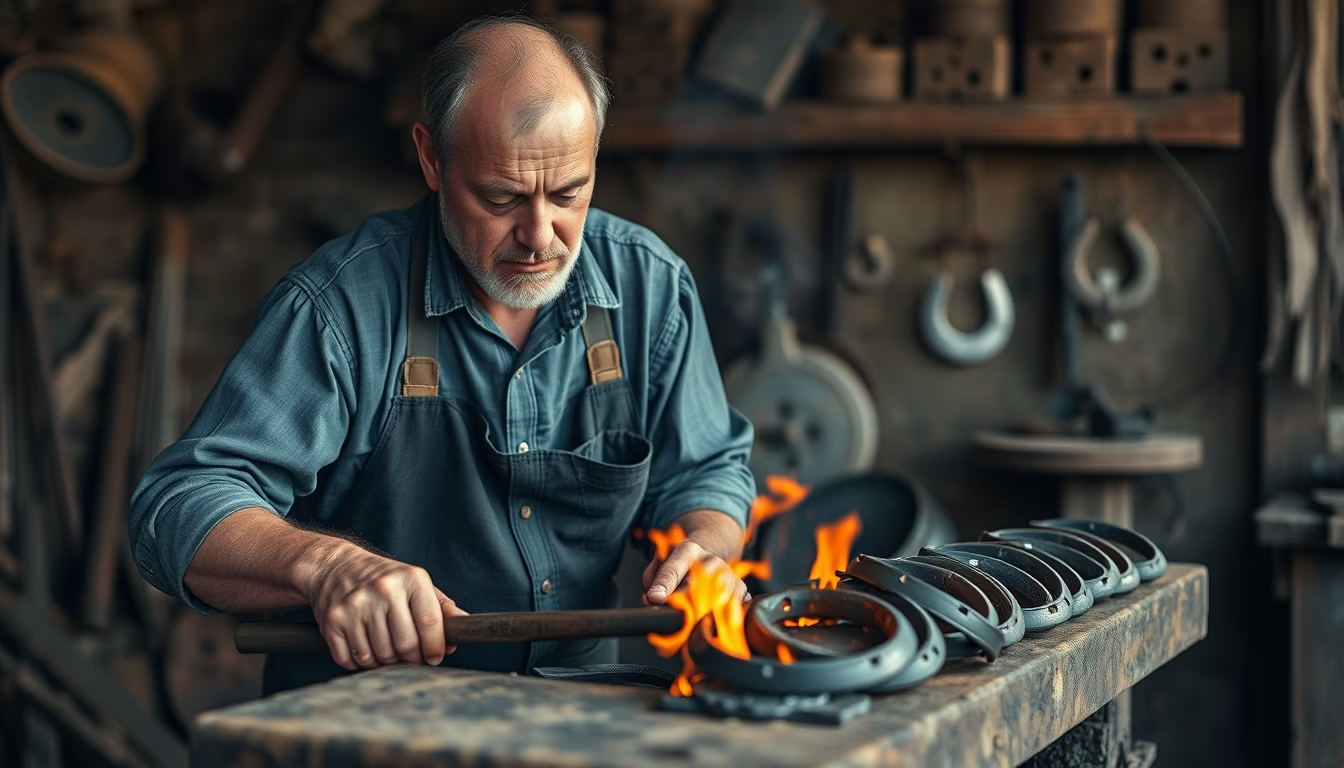
The horseshoe forge is a centuries-old tradition blending craftsmanship and metallurgy to protect horse hooves, essential for riding and rural work.
About this subject
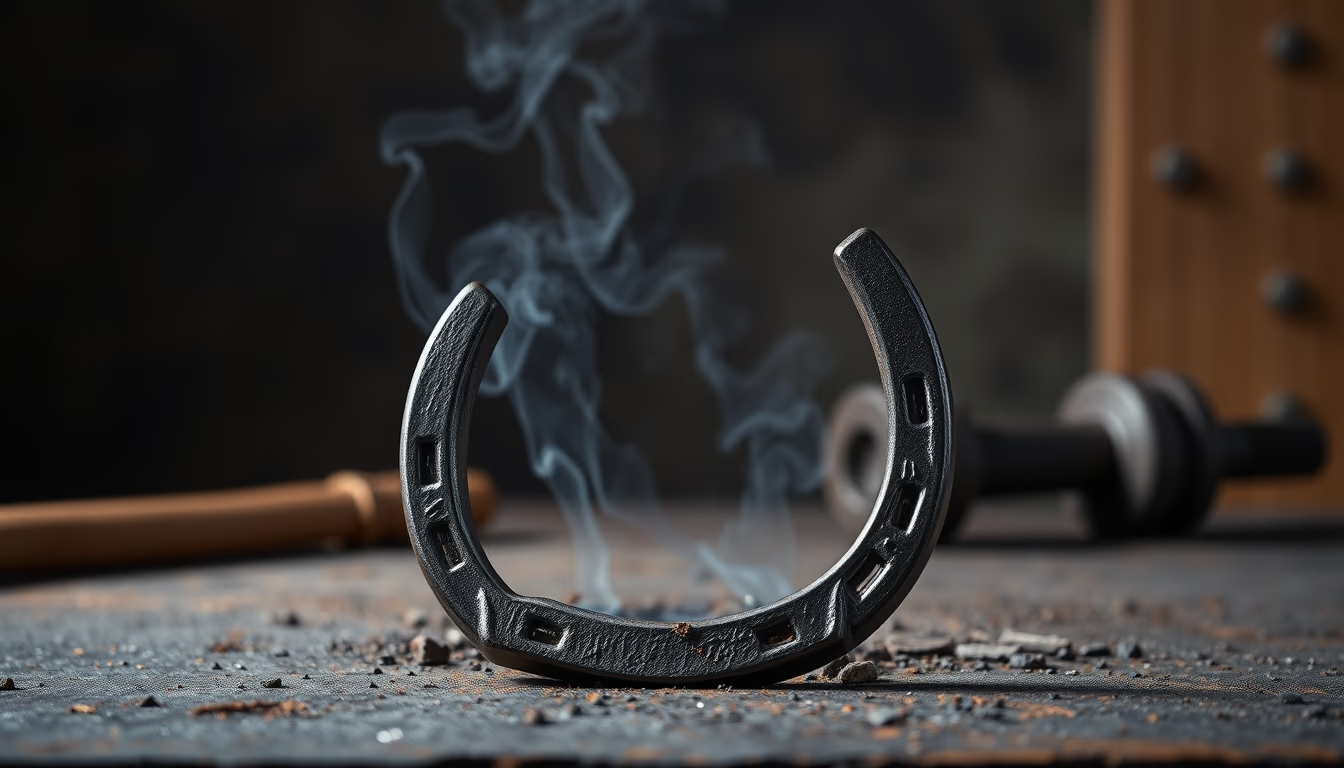
The horseshoe forge, also known as farriery, is a practice dating back to antiquity, with records of use by Celts and Romans to protect horse hooves on rough terrain. The process involves heating metal in a coal or gas forge until malleable, then shaping it on an anvil using hammers and specific forms to fit the horse's hoof. Each horseshoe is individually adjusted, considering the horse's size, weight, and function, from draft horses to racehorses.
The farrier tradition requires deep knowledge of equine anatomy and mastery of fire and metal. In Brazil, the practice is common in rural areas and equestrian centers, with regional variations in horseshoe shapes. For instance, marching horse shoes have designs that favor balance, while jumping horses shoes prioritize traction. The craft is recognized by UNESCO as intangible cultural heritage in some countries, though not globally.
Beyond function, the horseshoe forge holds strong cultural symbolism. The horseshoe is considered a good luck charm in many cultures, and the blacksmith figure is often associated with strength and manual labor. With advancing technology, many horseshoes are now industrially produced, but artisan farriers are still valued for high-performance horses or orthopedic corrections. The typical workshop includes the forge, anvil, a water bucket for cooling, and various nails and pliers. The sound of the hammer striking metal and the glow of hot iron are hallmarks of this centuries-old trade.
Frequently Asked Questions
What is the difference between a blacksmith and a farrier?
A blacksmith works with metal in general, while a farrier specializes in horse hooves, making and fitting shoes. Many farriers also trim the hoof.
How often does a horse need new shoes?
Typically every 4 to 6 weeks, depending on hoof growth, activity level, and shoe wear. Working horses may need more frequent changes.
Do horseshoes hurt the horse?
No, when properly fitted by a professional. The shoe is nailed to the insensitive part of the hoof (the horn wall), avoiding living tissue. Poorly done shoeing can cause temporary discomfort.
Direct URL
https://pub-c7d6a6ea828543ac903a74a341ccb2e1.r2.dev/imagens/horseshoe-iron-forge-documentary-nature-style-fresh13.avifHow to credit
Include a visible link back to UtilizAí. Copy one of the snippets below:
<a href="https://xn--utiliza-eza.com/en/midia/imagens/horseshoe-iron-forge-documentary-nature-style-fresh13">Horseshoe iron forge</a> by <a href="https://xn--utiliza-eza.com">UtilizAí</a>, licensed under <a href="https://creativecommons.org/licenses/by/4.0/">CC BY 4.0</a>.
[Horseshoe iron forge](https://xn--utiliza-eza.com/en/midia/imagens/horseshoe-iron-forge-documentary-nature-style-fresh13) by [UtilizAí](https://xn--utiliza-eza.com), CC BY 4.0
License: CC-BY-4.0