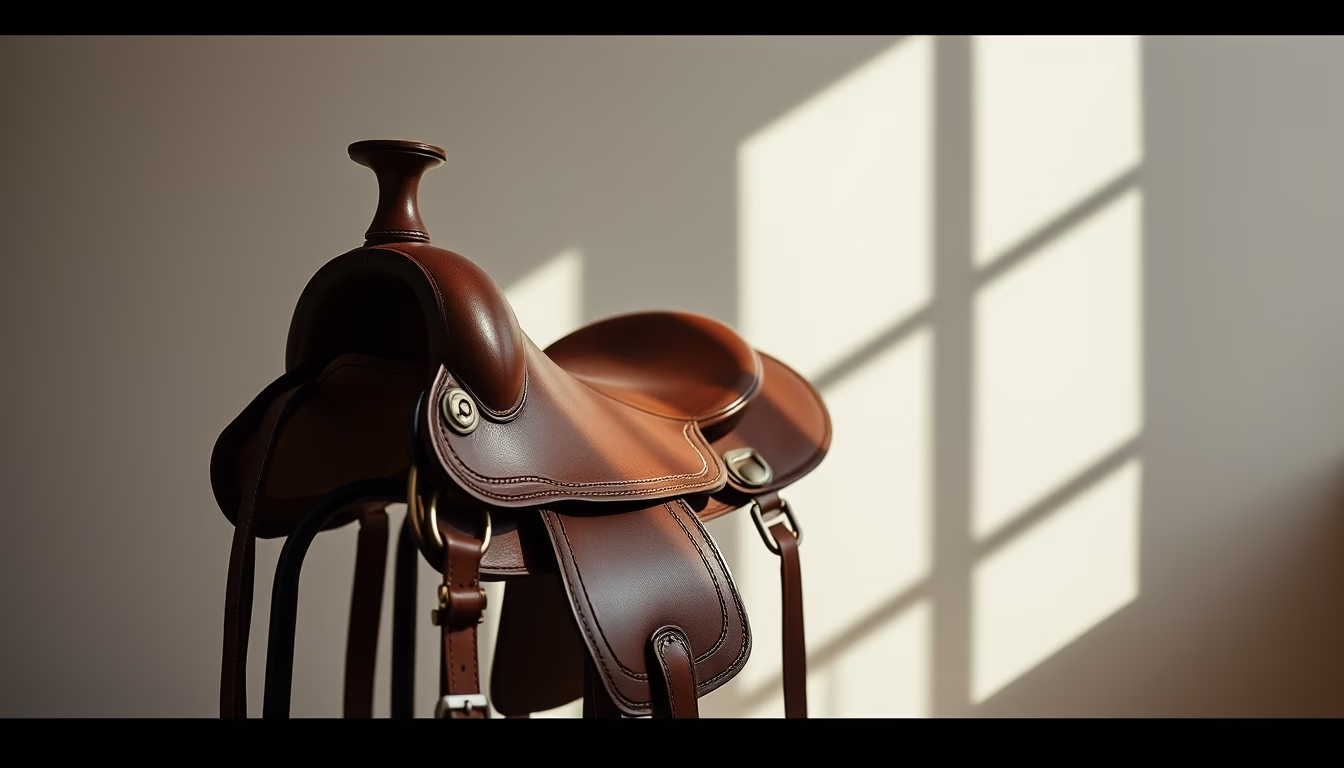
Horse saddle leather
1344×768 · AVIF · CC BY 4.0
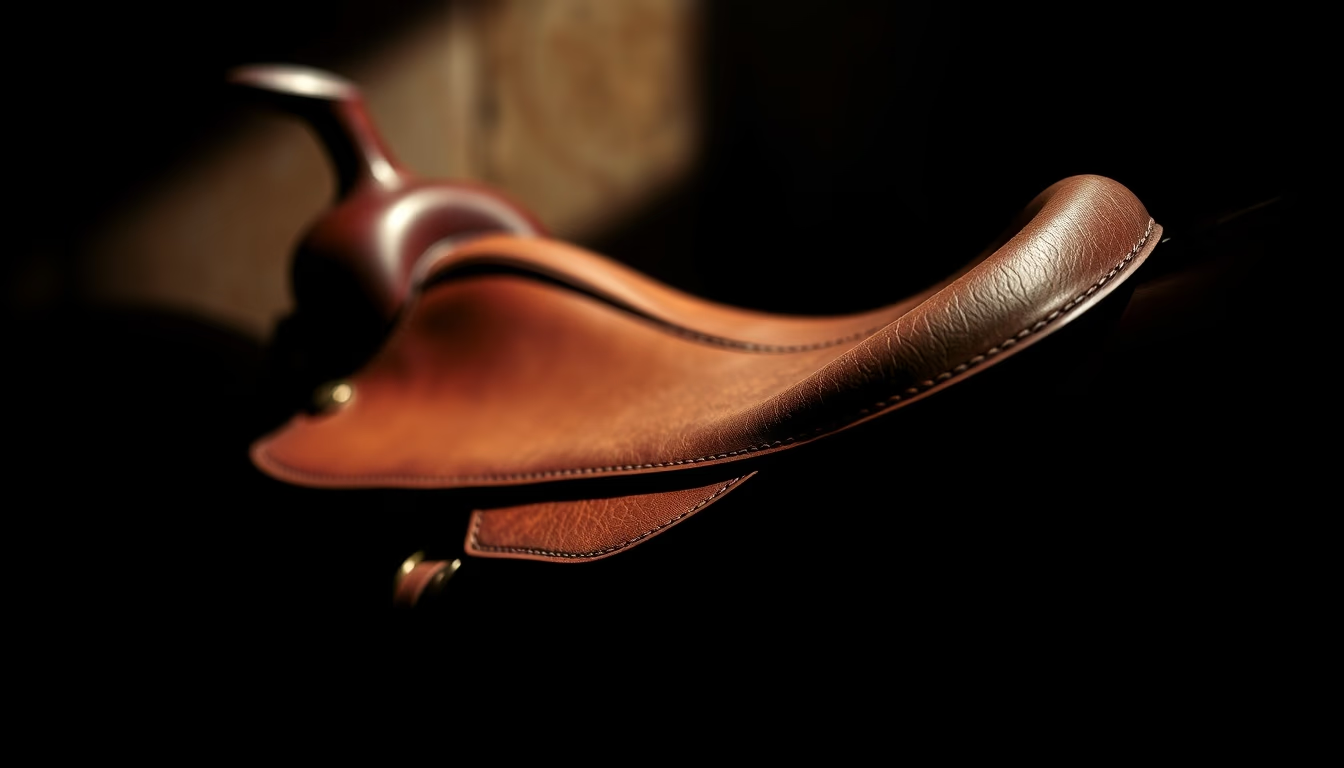
Equestrian saddle leather, such as vegetable-tanned or chrome-tanned leather, is crucial for rider comfort and saddle longevity.
About this subject
The leather used in equestrian saddles is chosen for its strength, flexibility, and ability to conform to both horse and rider. Common types are vegetable-tanned leather (vaqueta) and chrome-tanned leather. Vegetable-tanned leather is favored by traditional craftsmen for its durability and patina over time, as well as its breathability. Chrome-tanned leather is softer and more water-resistant, making it common in modern saddles.
Leather choice directly affects saddle fit: firmer leathers hold shape longer, while softer ones offer initial comfort. Tanning processes influence texture and color. High-quality saddles use full-grain leather, preserving the natural top layer for greater tear and wear resistance.
Historically, leather has been used for saddles since ancient times, with tanning techniques refined by various cultures. In Brazil, vegetable-tanned leather is widely used in working and gaucho saddles, highlighting local craftsmanship. Proper maintenance includes regular cleaning with mild soap, moisturizing with specific oils, and storage in a ventilated area away from heat.
Interestingly, saddle leather should not be treated with heavy greases, as this can soften the material too much and compromise structure. Standard thickness for saddle leather ranges from 3.5 mm to 5 mm, ensuring firmness without sacrificing flexibility for fitting the horse's back.
Frequently Asked Questions
Which is the best leather for a saddle: vegetable-tanned or chrome-tanned?
It depends on use. Vegetable-tanned is more durable and traditional, ideal for work saddles and long life. Chrome-tanned is softer and water-resistant, suitable for sport saddles and humid climates.
How to care for saddle leather to prevent cracking?
Clean with mild soap and water. Dry in shade. Apply leather conditioner every 3-6 months. Avoid prolonged sun exposure and heavy greases.
Which is more eco-friendly: vegetable-tanned or chrome-tanned leather?
Vegetable tanning uses natural tannins and is biodegradable, making it more eco-friendly. Chrome tanning uses chromium, which can produce toxic waste if not properly treated.
Direct URL
https://pub-c7d6a6ea828543ac903a74a341ccb2e1.r2.dev/imagens/horse-saddle-leather-rembrandt-lighting-dramatic-shadows-fresh5.avifHow to credit
Include a visible link back to UtilizAí. Copy one of the snippets below:
<a href="https://xn--utiliza-eza.com/en/midia/imagens/horse-saddle-leather-rembrandt-lighting-dramatic-shadows-fresh5">Horse saddle leather</a> by <a href="https://xn--utiliza-eza.com">UtilizAí</a>, licensed under <a href="https://creativecommons.org/licenses/by/4.0/">CC BY 4.0</a>.
[Horse saddle leather](https://xn--utiliza-eza.com/en/midia/imagens/horse-saddle-leather-rembrandt-lighting-dramatic-shadows-fresh5) by [UtilizAí](https://xn--utiliza-eza.com), CC BY 4.0
License: CC-BY-4.0