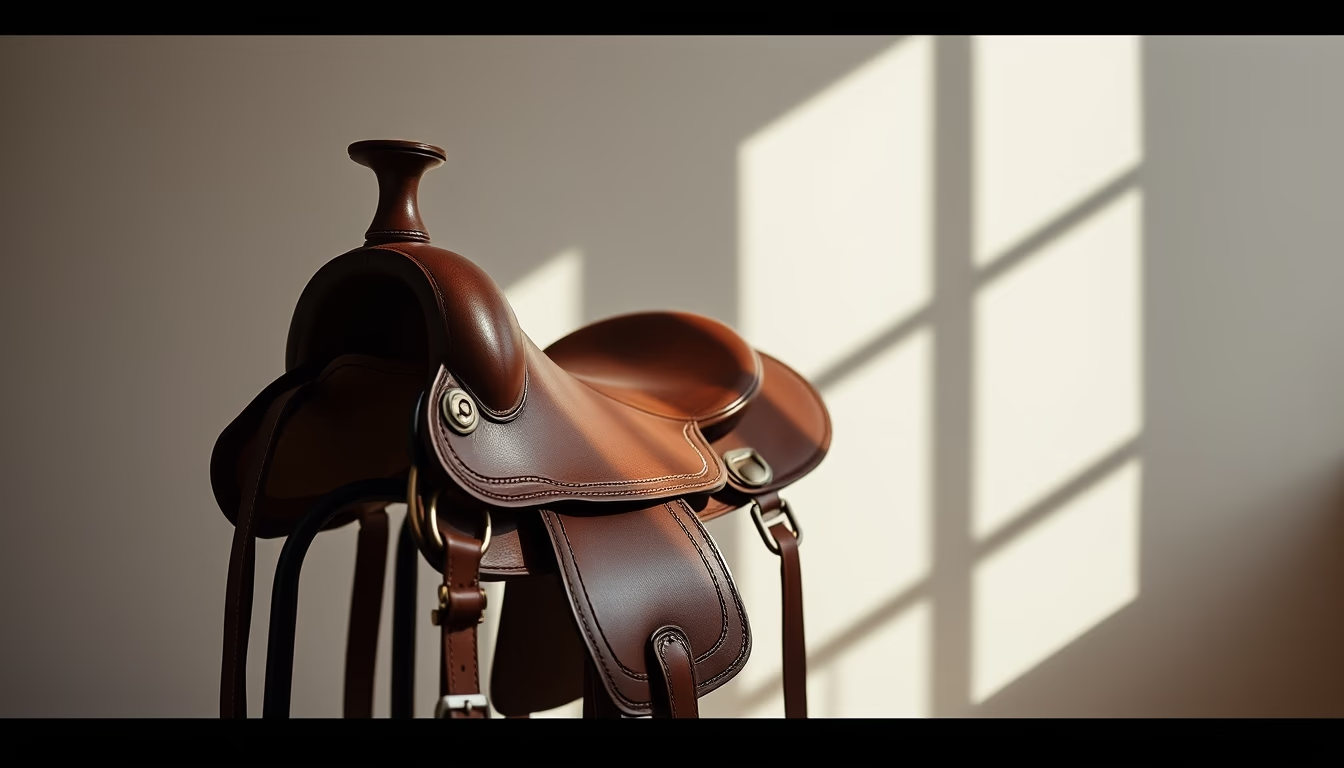
Horse saddle leather
1344×768 · AVIF · CC BY 4.0
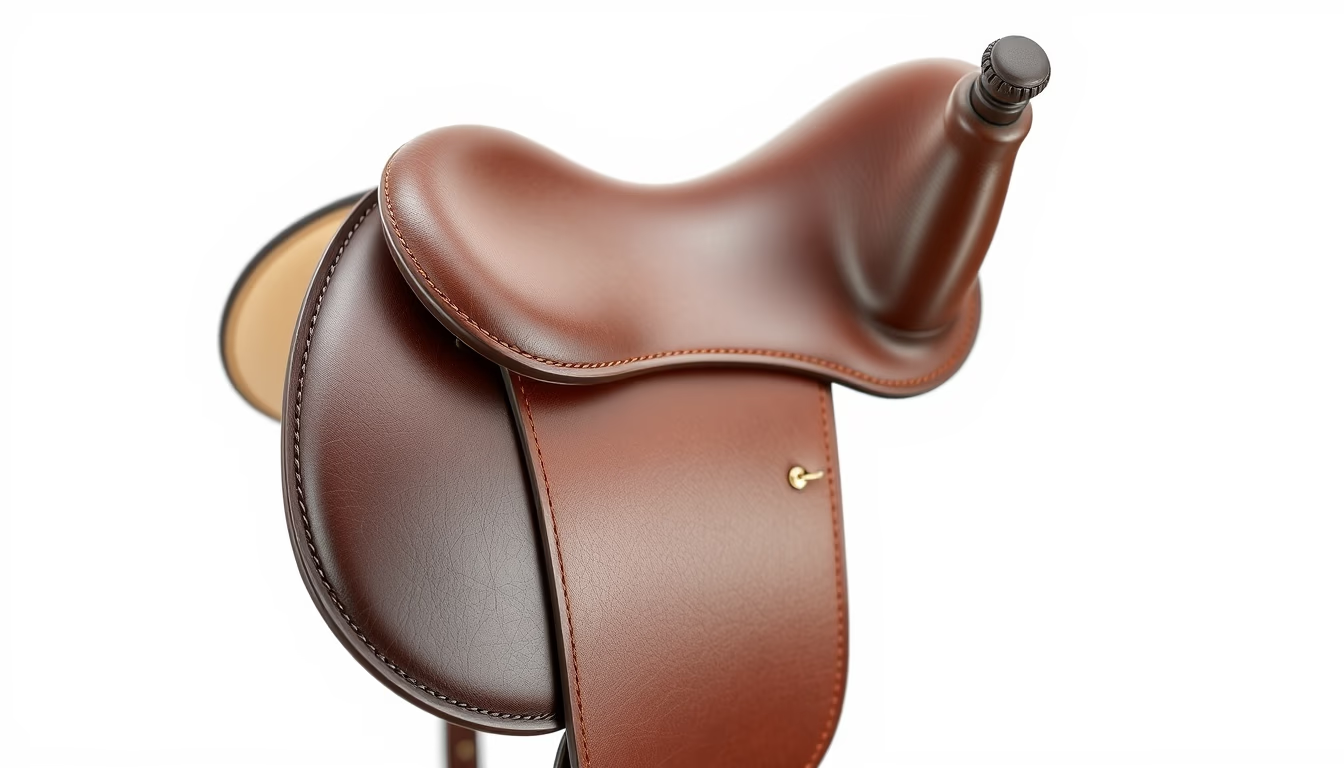
Horse saddle leather is chosen for its durability, flexibility, and ability to conform to the horse, ensuring comfort and safety.
About this subject
Horse saddle leather, technically known as saddle leather, is one of the most noble and traditional materials in equestrianism. Derived from cattle hides, it undergoes specific tanning processes to gain resistance to friction, moisture, and the rider's weight. Vegetable tanning is the classic method, using natural tannins from tree bark, which takes months and results in a firm, porous leather that retains its shape over time. Chrome tanning, on the other hand, is faster and cheaper, producing a softer, more flexible leather but less suitable for high-performance saddles, as it can deform and breathe poorly.
The quality of the leather directly impacts the saddle's lifespan and the horse's well-being. Poorly tanned or thin leather can create pressure points, causing discomfort and even back injuries to the horse. Therefore, competition and professional saddles are made from selected leathers, such as bridle leather, one of the toughest, also used in headstalls and reins. High-quality saddle leather develops a natural patina over time, which not only enhances the piece's appearance but also makes it softer and more comfortable.
Historically, saddle leather has accompanied the evolution of riding. From medieval saddles to modern English and Western styles, leather has always been preferred for its durability and ability to conform to the animal's body. Well-maintained vintage saddles can last decades and even be passed down through generations. Proper care, including regular cleaning and conditioning with specific soaps and oils, is essential to preserve the leather's properties and prevent cracking or drying.
Interestingly, saddle leather is not the same as leather used for bags or shoes. The hide selection is rigorous: the best pieces come from the back of the steer, where the fiber is densest and most uniform. Vegetable tanning, besides being eco-friendly, gives the leather superior resistance to fungi and bacteria. For enthusiasts, the distinctive smell of vegetable-tanned leather is a hallmark of authenticity and quality.
Frequently Asked Questions
What is the best type of leather for a saddle?
Vegetable-tanned leather is considered the best for saddles because it is firm, durable, and moldable. Bridle leather, a dense vegetable-tanned leather, is often used in high-quality saddles.
How should I care for saddle leather to extend its life?
Clean the saddle after each use with a damp cloth to remove sweat and dust. Condition regularly with a mild saddle soap and mink oil or leather conditioner. Avoid prolonged exposure to direct sunlight and excessive moisture.
What is the difference between vegetable tanning and chrome tanning for saddle leather?
Vegetable tanning uses natural tannins, takes months, and produces firm, porous leather that develops a beautiful patina. Chrome tanning is fast, uses chromium salts, and yields soft, flexible leather but is less breathable and less durable for saddles.
Direct URL
https://pub-c7d6a6ea828543ac903a74a341ccb2e1.r2.dev/imagens/horse-saddle-leather-commercial-product-photography-fresh14.avifHow to credit
Include a visible link back to UtilizAí. Copy one of the snippets below:
<a href="https://xn--utiliza-eza.com/en/midia/imagens/horse-saddle-leather-commercial-product-photography-fresh14">Horse saddle leather</a> by <a href="https://xn--utiliza-eza.com">UtilizAí</a>, licensed under <a href="https://creativecommons.org/licenses/by/4.0/">CC BY 4.0</a>.
[Horse saddle leather](https://xn--utiliza-eza.com/en/midia/imagens/horse-saddle-leather-commercial-product-photography-fresh14) by [UtilizAí](https://xn--utiliza-eza.com), CC BY 4.0
License: CC-BY-4.0