Horse mane braided
1344×768 · AVIF · CC BY 4.0
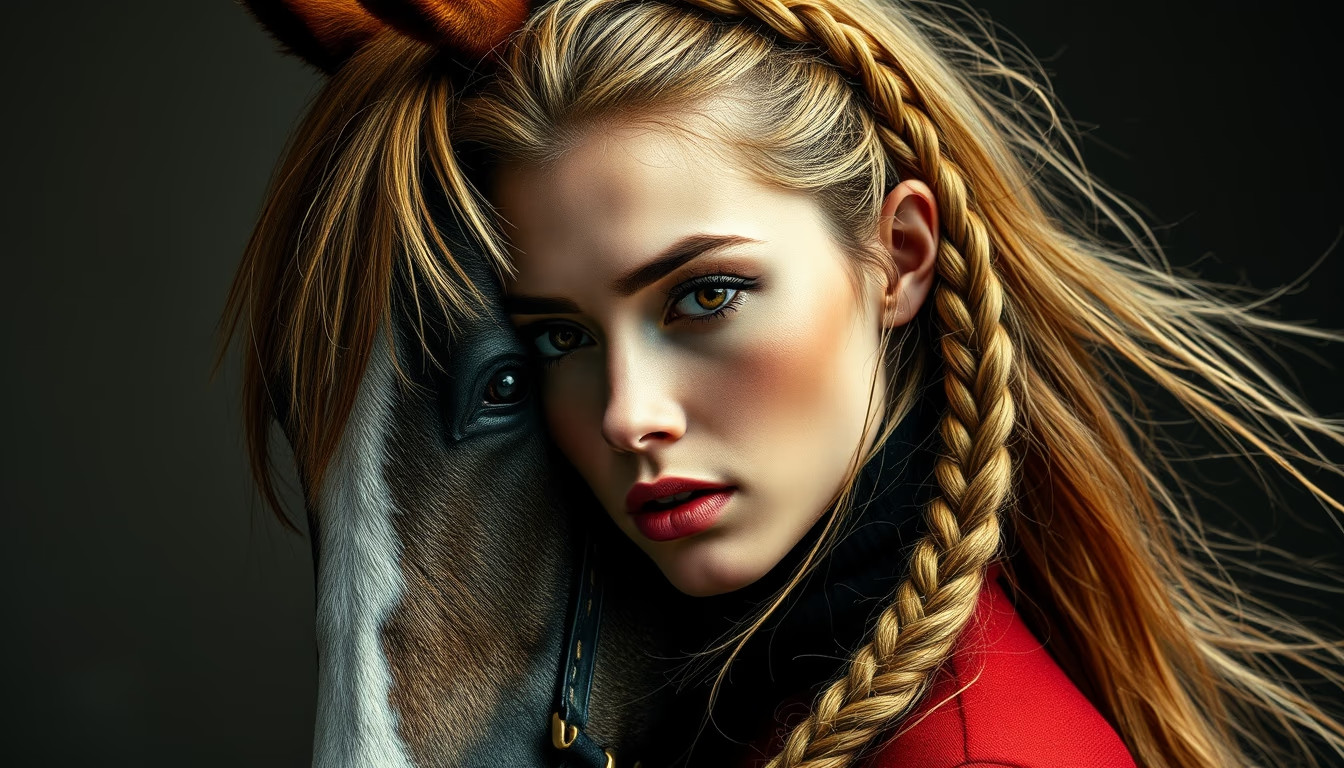
Braided horse manes are a centuries-old tradition in equestrian competitions, blending aesthetics and functionality to enhance the animal's nobility.
About this subject
Braided horse manes represent more than a simple aesthetic adornment; they carry a rich history tied to equestrian management and high-level competitions. Since ancient times, braiding the mane and tail of horses was a common practice among riders and warriors to prevent hair from tangling in equipment or during battles. Over time, this technique evolved into a refined art, especially in sports like dressage, show jumping, and classical riding, where the animal's impeccable presentation is an integral part of the performance.
Each braid style serves a specific purpose. Hunter braids are made with small uniform sections along the neck, creating an elegant and clean look ideal for hunting and jumping events. Dressage braids are more complex, often incorporating colored ribbons or beads to highlight the horse's movement. In international competitions, such as the Olympic Games, grooms spend hours preparing manes, following strict rules of symmetry and size. The practice requires skill, patience, and knowledge of the animal's anatomy, passed down through generations among riders and groomers.
Beyond the sporting context, braided manes also appear in cultural events and fashion editorials. In the high fashion editorial world, horses with elaborately braided manes are photographed as symbols of luxury, power, and connection with nature. Fashion brands and prestigious magazines frequently use these animals as models, highlighting the fusion of equestrian tradition and contemporary art. This trend reinforces the versatility of the practice, which transcends the stable and lands on the pages of the world's most renowned publications.
Interestingly, the braiding process is not only aesthetic but also functional. Well-groomed and braided manes help keep hair healthy, preventing tangles and reducing breakage. Specific gels and sprays are used to secure the braids without damaging the hair. Some horse owners also adopt the practice for recreational purposes or to participate in amateur shows, demonstrating that caring for the mane is a form of personal expression and affection for the animal.
Frequently Asked Questions
Why are horse manes braided in competitions?
Manes are braided for aesthetic and functional reasons: they enhance the horse's appearance, prevent hair from obstructing vision or tangling in tack, and follow specific traditions of each equestrian discipline.
How long does it take to braid a horse's mane?
Time varies by style and groomer experience, but it can take from 30 minutes to several hours for a full mane and tail set, especially in high-level competitions.
Are there different types of horse braids?
Yes, main types include hunter braids (small uniform knots), dressage braids (more elaborate with ribbons), and running braids (continuous braid along the neck). Each serves specific purposes in each sport.
Direct URL
https://pub-c7d6a6ea828543ac903a74a341ccb2e1.r2.dev/imagens/horse-mane-braided-high-fashion-editorial-fresh13.avifHow to credit
Include a visible link back to UtilizAí. Copy one of the snippets below:
<a href="https://xn--utiliza-eza.com/en/midia/imagens/horse-mane-braided-high-fashion-editorial-fresh13">Horse mane braided</a> by <a href="https://xn--utiliza-eza.com">UtilizAí</a>, licensed under <a href="https://creativecommons.org/licenses/by/4.0/">CC BY 4.0</a>.
[Horse mane braided](https://xn--utiliza-eza.com/en/midia/imagens/horse-mane-braided-high-fashion-editorial-fresh13) by [UtilizAí](https://xn--utiliza-eza.com), CC BY 4.0
License: CC-BY-4.0