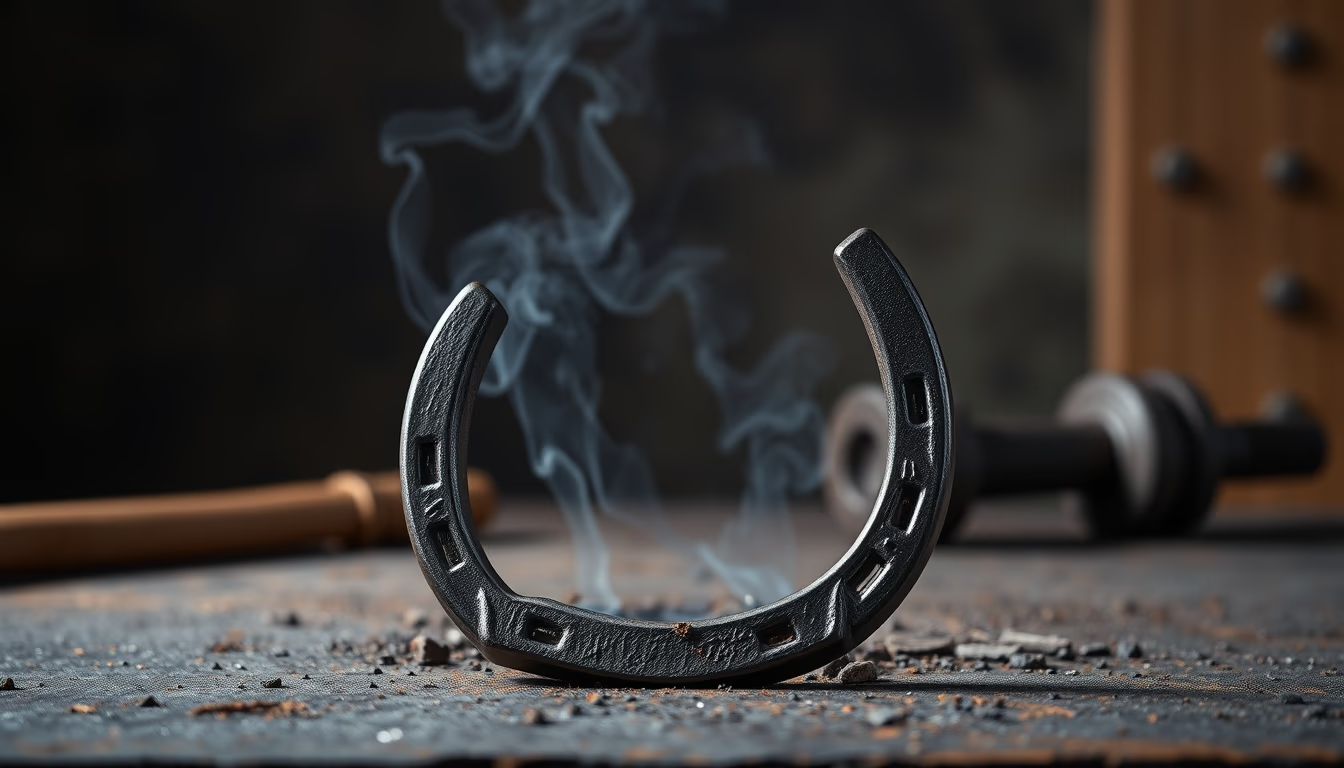
Horse bridle reins
1344×768 · AVIF · CC BY 4.0

Bridle reins are essential components in horseback riding, connecting the rider's hands to the bit for control and communication.
About this subject
Bridle reins, also called headstall reins, are long straps attached to the horse's bit, allowing the rider to transmit subtle commands. They vary in material, length, and style according to equestrian discipline. Leather reins are traditional and durable, while nylon or rubber reins offer better grip in wet conditions. In English riding, continuous or buckle-ended reins are common; in western riding, split reins allow quick adjustments with one hand, especially for roping and ranch work.
Historically, the use of reins dates back thousands of years, with archaeological finds of bits and reins from the Sintashta culture (c. 2000 BC), considered pioneers in horse domestication. During the Middle Ages, metal and silk reins were status symbols among European nobility. Among Central Asian nomadic cultures, short, thick reins provided control during abrupt movements on warhorses. In classical dressage, thin, flexible reins enable refined communication, essential for movements like piaffe and passage.
Proper care of reins is crucial for safety and longevity. Leather reins should be cleaned with mild soap and conditioned periodically to prevent drying. Synthetic reins require washing with soap and water, avoiding prolonged sun exposure. Correct length adjustment is also vital: too short reins restrict the horse’s freedom, while too long reins reduce command precision. In competitions, the thickness and weight of reins can influence scoring, especially in dressage where lightness is rewarded.
Interestingly, the word "rein" comes from Latin retina, meaning "that which retains." In some riding traditions, like polo, reins are braided for extra strength. In Brazil, raw leather reins are common for cattle handling in the Pantanal, while in the southern part of the country, colorful nylon reins are typical at festive horseback rides. Choosing the ideal rein depends on the activity, bit type, and rider’s preference, forming a vital link in the partnership between human and horse.
Frequently Asked Questions
What is the difference between English and Western reins?
English reins are typically continuous or buckle-ended and used with both hands, while Western reins are split and allow one-handed control, common for roping and cattle work.
How do I choose the best material for reins?
Leather is classic and durable but requires maintenance. Nylon and rubber offer grip in wet conditions. For competition, lightweight materials like synthetic leather are preferred. Consider climate and activity.
How often should I clean leather reins?
Wipe with a dry cloth after each use to remove sweat and dirt. Every two weeks, wash with mild soap and condition with a leather conditioner to prevent drying.
Direct URL
https://pub-c7d6a6ea828543ac903a74a341ccb2e1.r2.dev/imagens/horse-bridle-reins-rembrandt-lighting-dramatic-shadows-fresh4.avifHow to credit
Include a visible link back to UtilizAí. Copy one of the snippets below:
<a href="https://xn--utiliza-eza.com/en/midia/imagens/horse-bridle-reins-rembrandt-lighting-dramatic-shadows-fresh4">Horse bridle reins</a> by <a href="https://xn--utiliza-eza.com">UtilizAí</a>, licensed under <a href="https://creativecommons.org/licenses/by/4.0/">CC BY 4.0</a>.
[Horse bridle reins](https://xn--utiliza-eza.com/en/midia/imagens/horse-bridle-reins-rembrandt-lighting-dramatic-shadows-fresh4) by [UtilizAí](https://xn--utiliza-eza.com), CC BY 4.0
License: CC-BY-4.0