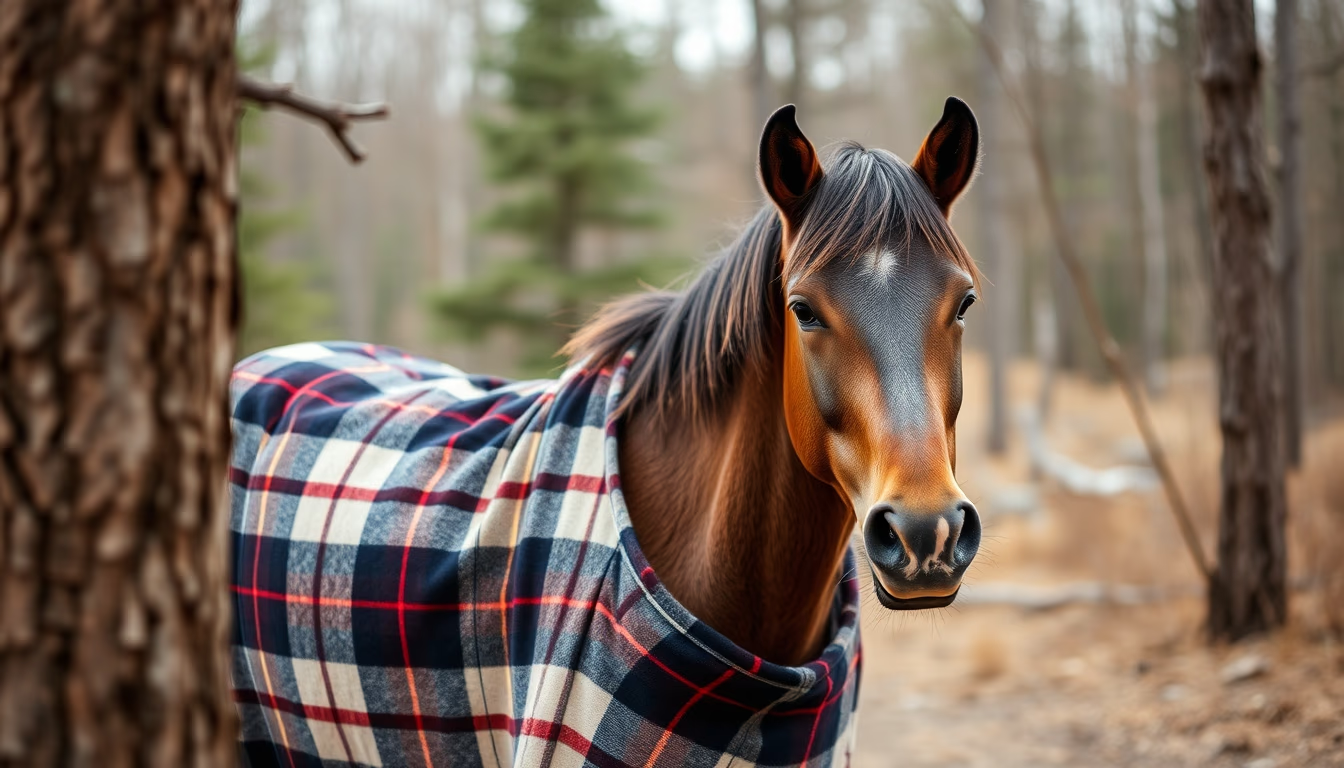
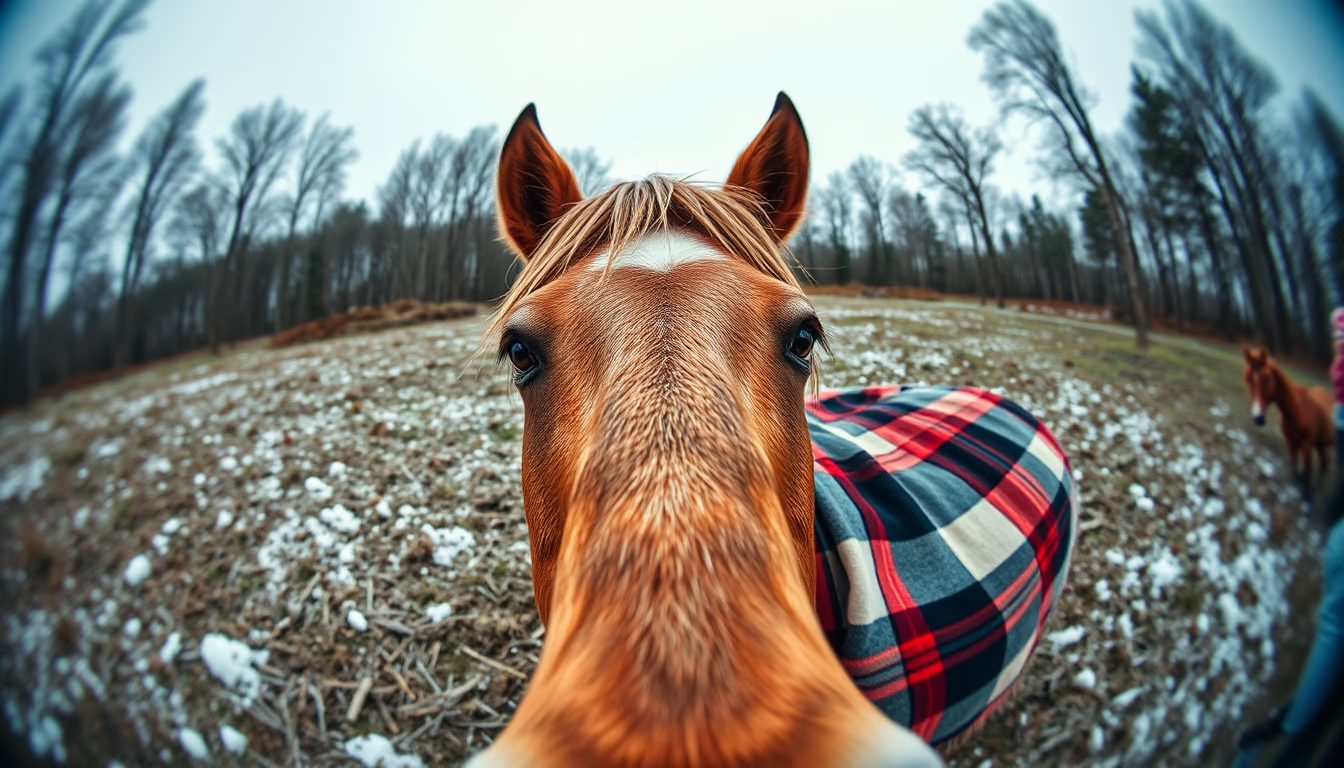
Horse blanket plaid
1344×768 · AVIF · CC BY 4.0
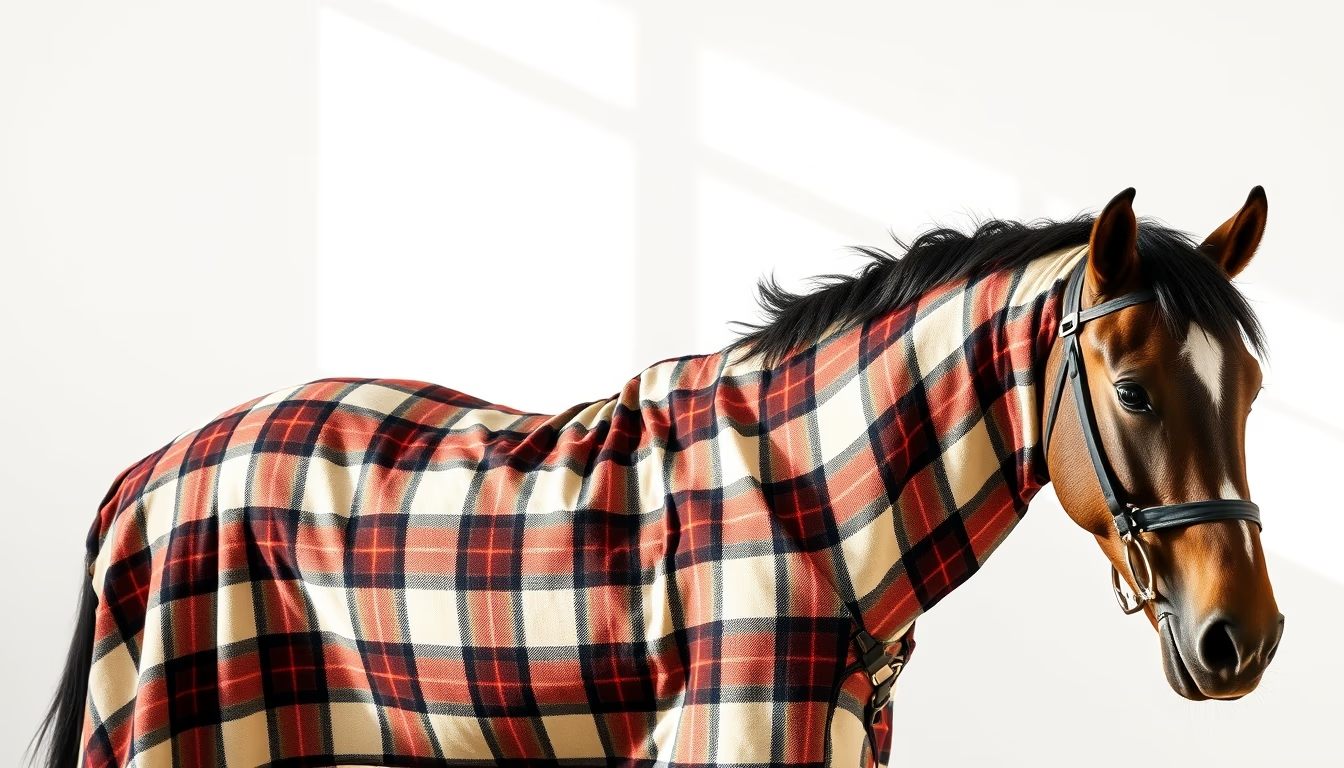
The plaid pattern on horse blankets blends British tradition with functionality, becoming an icon of rural and sports equestrian culture.
About this subject
The horse blanket plaid pattern originates from British rural traditions, particularly Scotland and England. Originally, tartan fabrics were used by Scottish clans for identification, but in the 19th century horse breeders adopted them to protect animals from the damp cold of the British Isles. The plaid pattern, with its crossed lines and contrasting colors, offered durability and camouflage in pastures, while becoming a symbol of countryside elegance.
In modern equestrian contexts, plaid blankets are used in dressage, show jumping, and leisure riding. Brands like Barbour and Pendleton have popularized the design, which combines wool or thick acrylic with a polyester lining. The plaid is not merely aesthetic: bright colors help locate the horse in the field, and the pattern hides dirt, keeping the blanket looking cleaner longer. The plaid has also become an equestrian lifestyle element, appearing in clothing, accessories, and home decor, reinforcing the connection between tradition and fashion.
Technically, plaid blankets vary in weight: light ones (200 g) for mid-season, heavy ones (600 g) for harsh winters. Closure with metal buckles or Velcro and reinforced stitching ensure durability. Interestingly, regional variations exist: the Burberry check, for example, was inspired by horse blankets sold in London shops. Today, the plaid pattern is one of the most replicated in equestrian products, from training rugs to show coolers, blending practicality and cultural heritage.
Frequently Asked Questions
What is the origin of the plaid pattern on horse blankets?
The plaid pattern, especially Scottish tartan, was adopted by horse breeders in the UK from the 19th century, combining cold protection with rural visual identity.
What types of horses use plaid blankets?
All types, from competition horses to leisure animals. Plaid blankets are common in dressage, jumping, rural riding, and even exhibitions.
How to choose the ideal weight of a plaid blanket?
Consider the climate: 200 to 300 g for mid-season, 400 to 600 g for extreme cold. Also check the lining (polyester for warmth) and closure (buckles for safety).
Direct URL
https://pub-c7d6a6ea828543ac903a74a341ccb2e1.r2.dev/imagens/horse-blanket-plaid-minimalist-composition-fresh14.avifHow to credit
Include a visible link back to UtilizAí. Copy one of the snippets below:
<a href="https://xn--utiliza-eza.com/en/midia/imagens/horse-blanket-plaid-minimalist-composition-fresh14">Horse blanket plaid</a> by <a href="https://xn--utiliza-eza.com">UtilizAí</a>, licensed under <a href="https://creativecommons.org/licenses/by/4.0/">CC BY 4.0</a>.
[Horse blanket plaid](https://xn--utiliza-eza.com/en/midia/imagens/horse-blanket-plaid-minimalist-composition-fresh14) by [UtilizAí](https://xn--utiliza-eza.com), CC BY 4.0
License: CC-BY-4.0