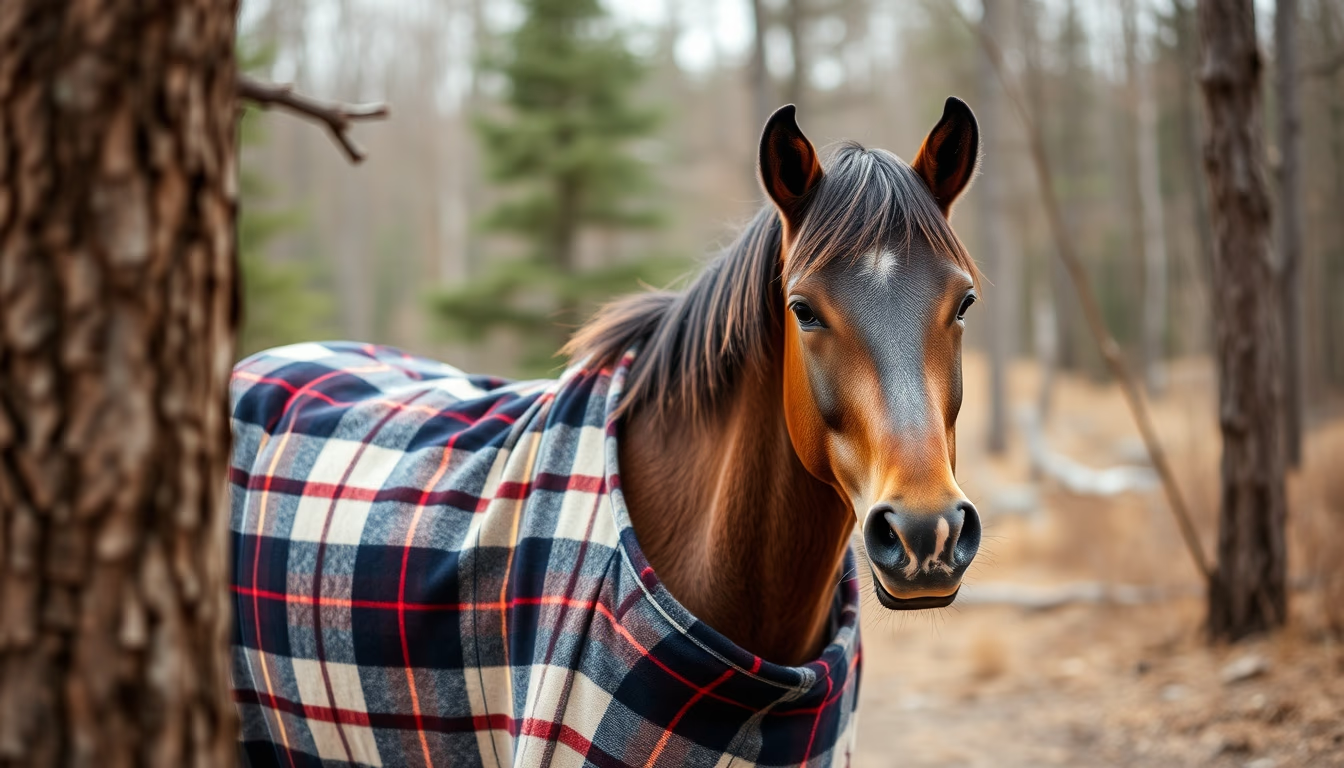
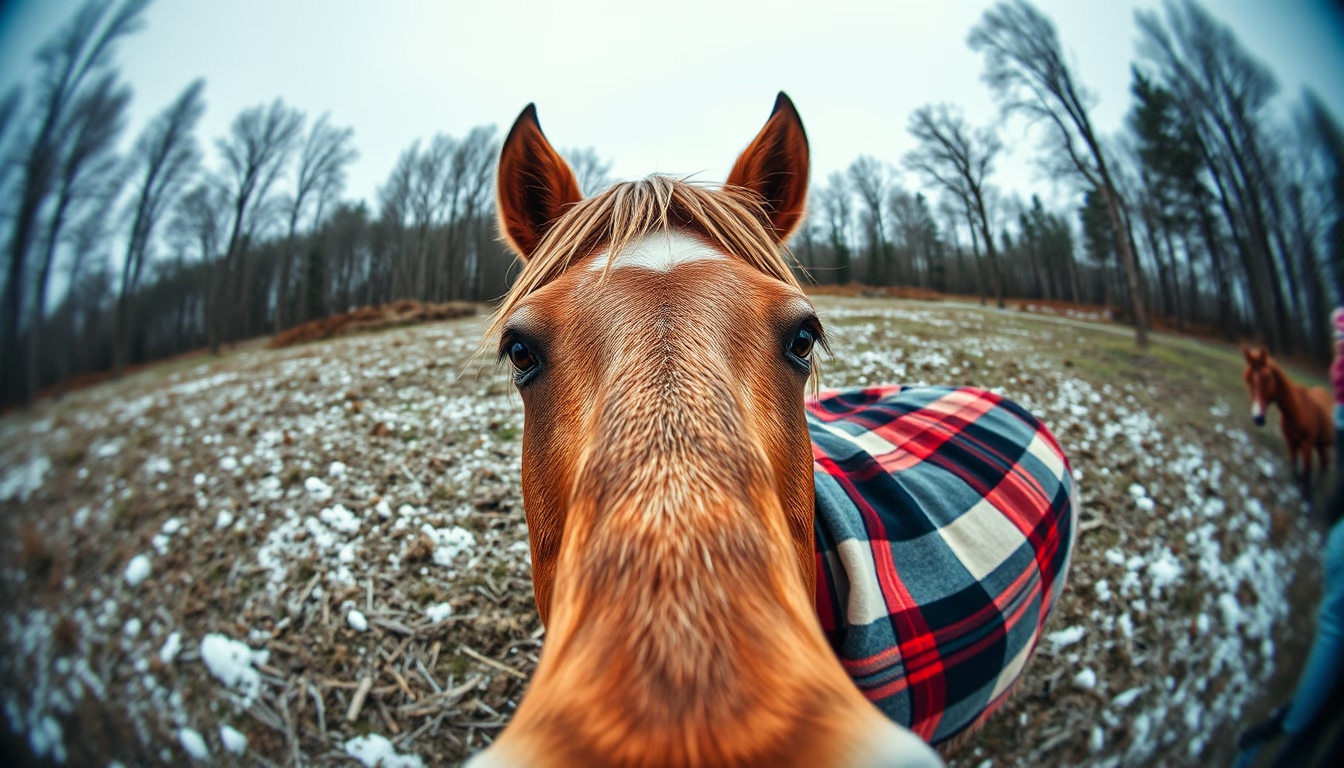
Horse blanket plaid
1344×768 · AVIF · CC BY 4.0
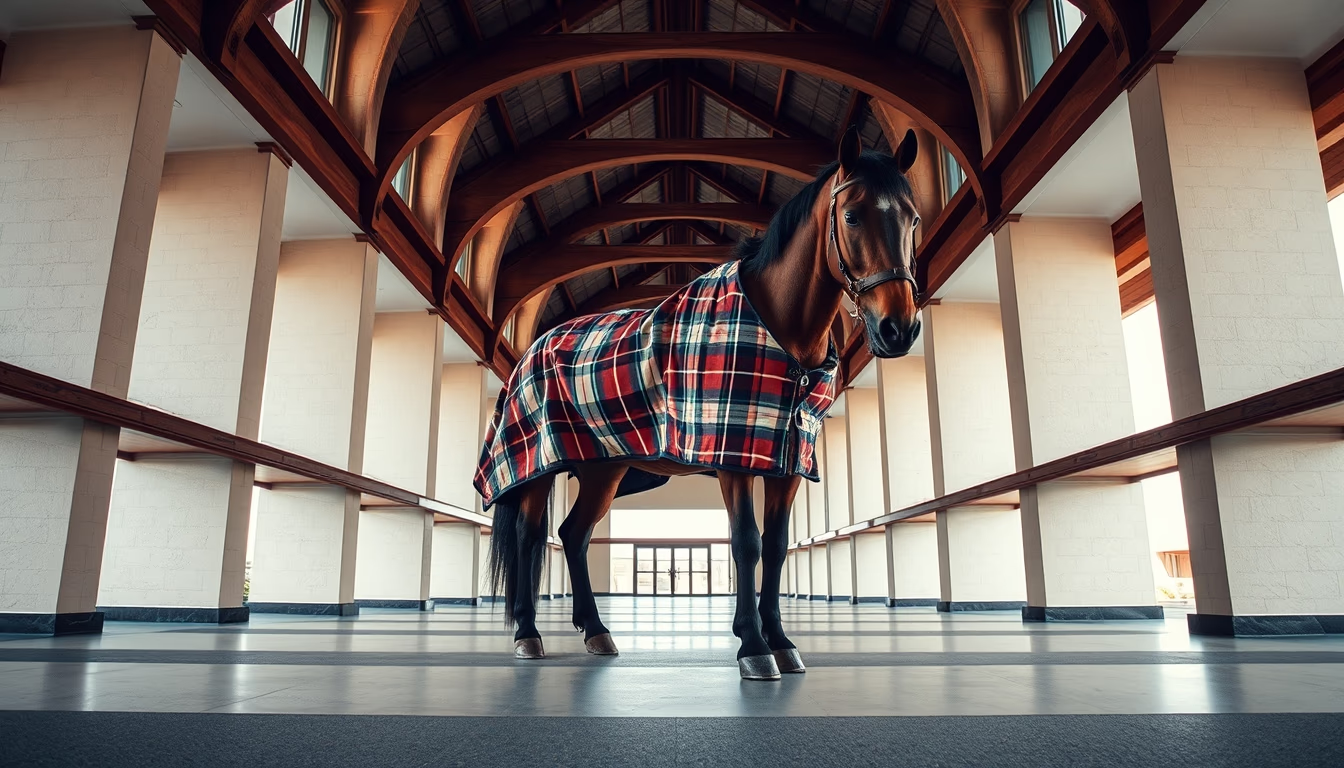
The plaid pattern in horse blankets, also known as tartan, combines Scottish tradition with equestrian functionality, symbolizing elegance and protection.
About this subject
The plaid pattern, commonly associated with Scottish clans, has been incorporated into horse blankets for centuries. Originally, the cross-striped wool fabrics identified different families and regions of the Scottish Highlands. In the equestrian context, these blankets came to be used not only as protection against cold and moisture but also as a distinguishing element in competitions and exhibitions.
During the 19th century, Queen Victoria helped popularize tartan among the British nobility, influencing equestrian fashion. In countries like Brazil, Argentina, and the United States, plaid horse blankets became common in show jumping, dressage, and trail riding, blending aesthetics and practicality. Plaid blankets are usually made of wool, polyester, or synthetic fibers, with a lining that prevents skin irritation.
Interestingly, each plaid pattern can have specific meanings. The Royal Stewart tartan, for example, is one of the most well-known and used by the British royal family. The Black Watch pattern, with dark blue and green tones, refers to a Scottish military regiment. In riding, the choice of plaid often reflects the rider's personality or the identity of a ranch, also serving as a marketing item at agricultural fairs.
Maintenance of plaid blankets requires special care to preserve colors and fabric. Hand wash or gentle cycle with cold water, avoiding bleach. Drying in the shade prolongs the piece's lifespan. Today, besides traditional blankets, the plaid pattern also appears on saddle pads, bandanas, and accessories, solidifying itself as a timeless classic in the equestrian world.
Frequently Asked Questions
What is the origin of the plaid pattern in horse blankets?
The plaid pattern originates from Scottish tartans, which identified clans since the 16th century. Its adoption in equestrian blankets occurred in the 19th century, when British nobility popularized it in horse shows.
Why is plaid used in competitions?
Besides protection from weather, plaid provides an elegant, traditional look, helping riders and horses stand out in exhibitions and events. Many patterns carry historical or family symbolism.
How to care for a plaid horse blanket?
Hand wash or gentle cycle with cold water, no bleach. Dry in the shade to prevent fading. Store in a dry, ventilated area to avoid mildew.
Direct URL
https://pub-c7d6a6ea828543ac903a74a341ccb2e1.r2.dev/imagens/horse-blanket-plaid-architectural-photography-fresh0.avifHow to credit
Include a visible link back to UtilizAí. Copy one of the snippets below:
<a href="https://xn--utiliza-eza.com/en/midia/imagens/horse-blanket-plaid-architectural-photography-fresh0">Horse blanket plaid</a> by <a href="https://xn--utiliza-eza.com">UtilizAí</a>, licensed under <a href="https://creativecommons.org/licenses/by/4.0/">CC BY 4.0</a>.
[Horse blanket plaid](https://xn--utiliza-eza.com/en/midia/imagens/horse-blanket-plaid-architectural-photography-fresh0) by [UtilizAí](https://xn--utiliza-eza.com), CC BY 4.0
License: CC-BY-4.0