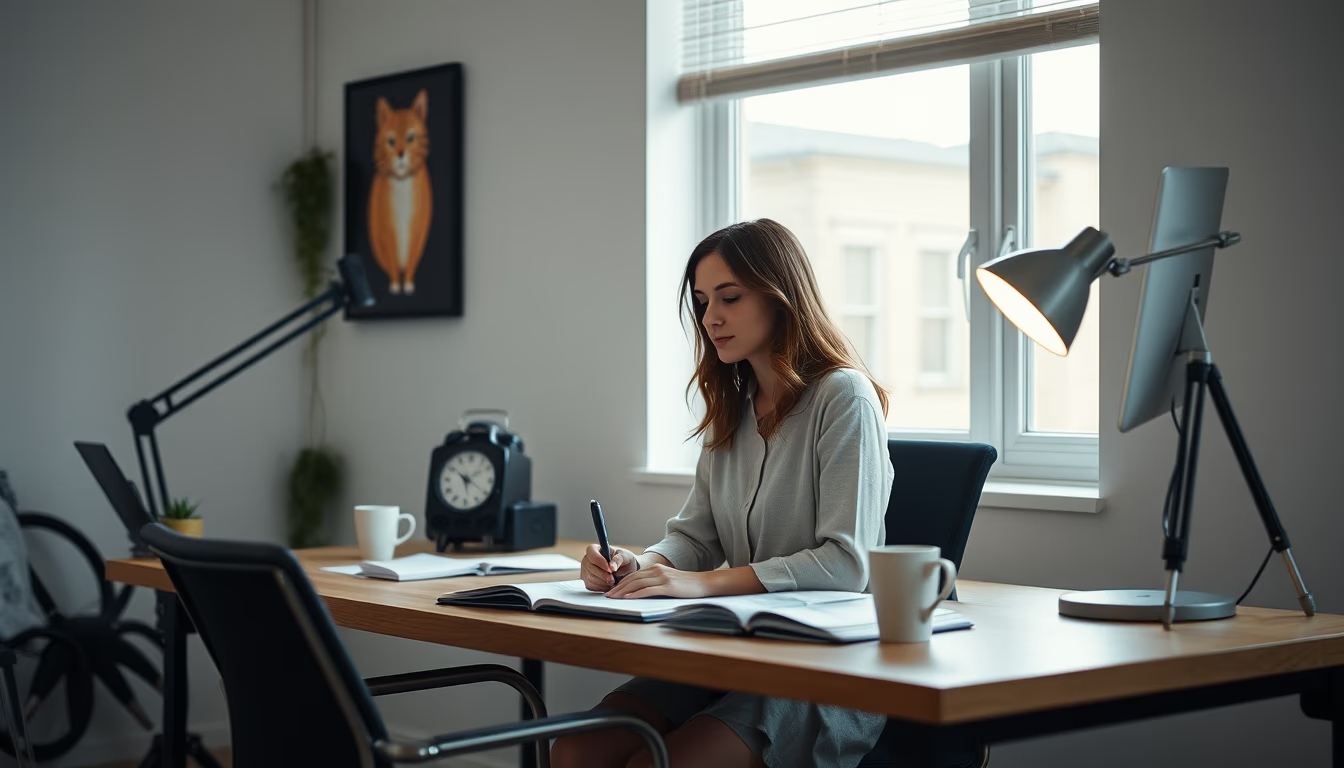
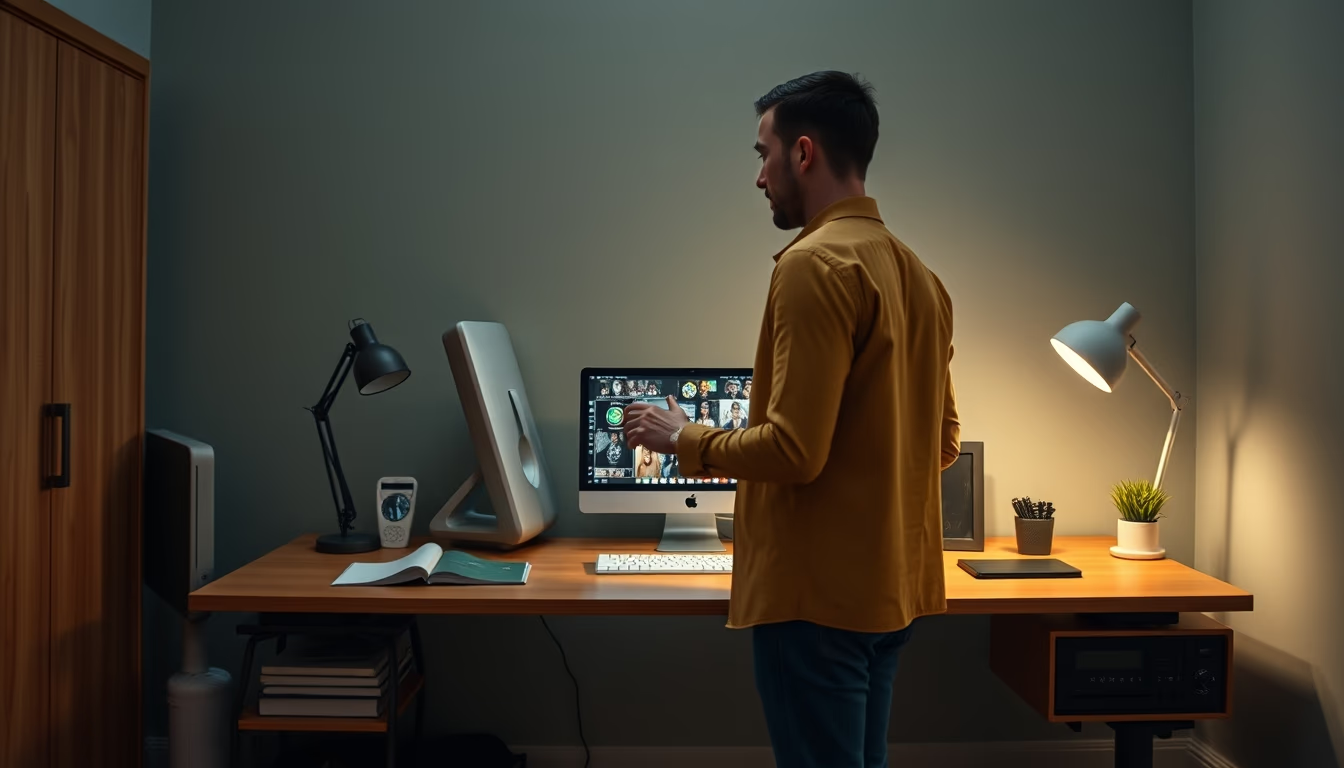
Home office minimalist
1344×768 · AVIF · CC BY 4.0
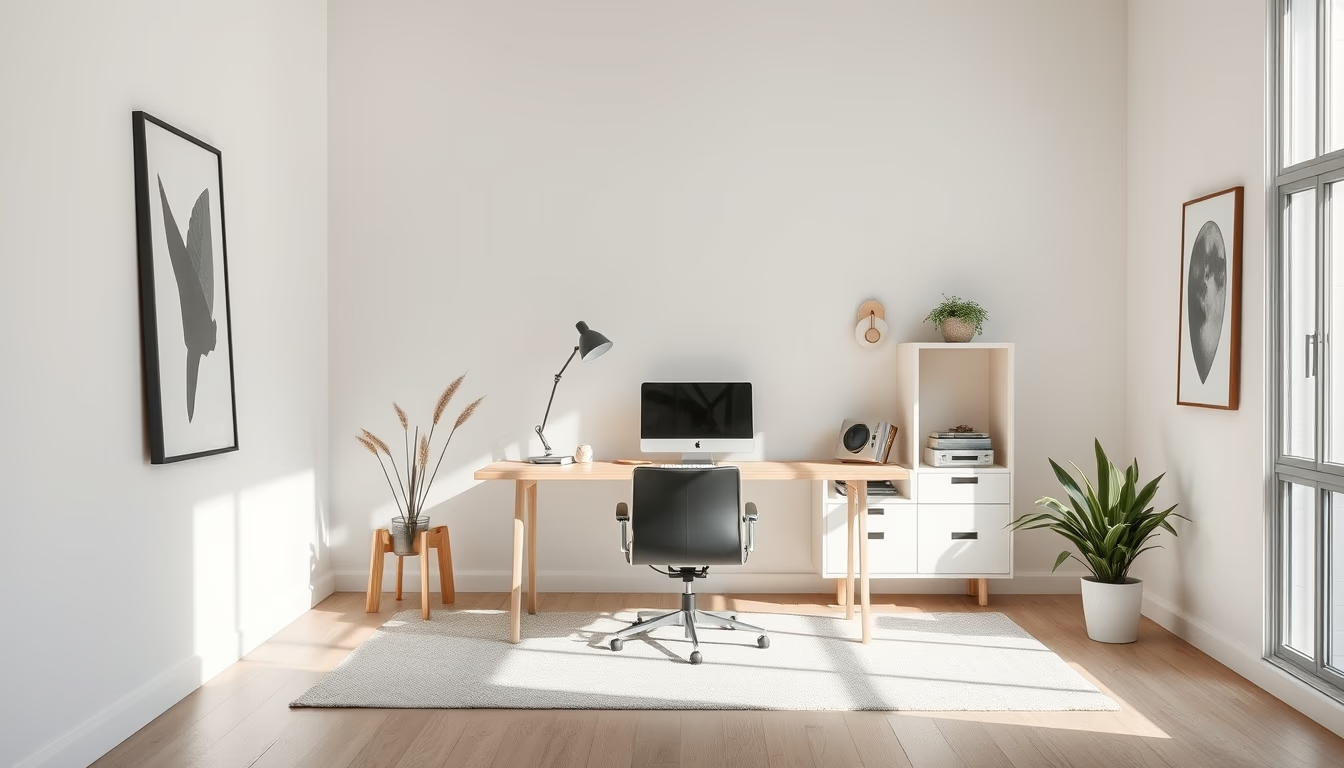
Discover how a minimalist home office can boost your productivity and well-being with design, organization, and ergonomics tips.
About this subject
The minimalist home office concept goes beyond aesthetics: it is a functional approach that prioritizes essentials for remote work. Inspired by the 20th-century minimalist movement, it eliminates visual distractions and clutter, promoting focus and mental clarity. A Princeton University study showed that visual clutter reduces concentration ability, and minimalism counteracts this by keeping only what is necessary.
In Brazil, the growth of home offices accelerated after 2020, and many professionals adopted the minimalist style to optimize small spaces common in apartments. Multifunctional furniture, such as desks with built-in drawers and ergonomic chairs with simple lines, are essential. Neutral colors (white, gray, beige) and natural materials (light wood, glass) enhance the sense of spaciousness.
To set up a minimalist home office, start by choosing a desk with a clean surface and a monitor stand that frees up space. Cables should be organized with cable trays or articulated arms. Natural lighting is prioritized, complemented by LED lamps with adjustable color temperature. Plants like succulents or ZZ plants add life without compromising simplicity.
A curiosity: minimalism in the home office also reduces stress, according to environmental psychology. By limiting visual stimuli, the brain processes less information, improving decision-making. Brands like IKEA and Tok&Stok have popularized specific lines for this style in Brazil.
Frequently Asked Questions
What are the essential furniture pieces for a minimalist home office?
A clean-surface desk, an ergonomic chair with simple lines, and a monitor stand are the basics. Closed shelves help hide objects, maintaining a clean look.
How to organize cables in a minimalist home office?
Use adhesive cable trays under the desk, articulated arms for monitors, or organizer boxes with side outlets. Visible cables break the minimalist aesthetic.
Does minimalism in the home office really improve productivity?
Yes, studies show that environments with fewer visual stimuli reduce cognitive load, helping with concentration and task efficiency.
Direct URL
https://pub-c7d6a6ea828543ac903a74a341ccb2e1.r2.dev/imagens/home-office-minimalist-minimalist-composition-p5.avifHow to credit
Include a visible link back to UtilizAí. Copy one of the snippets below:
<a href="https://xn--utiliza-eza.com/en/midia/imagens/home-office-minimalist-minimalist-composition-p5">Home office minimalist</a> by <a href="https://xn--utiliza-eza.com">UtilizAí</a>, licensed under <a href="https://creativecommons.org/licenses/by/4.0/">CC BY 4.0</a>.
[Home office minimalist](https://xn--utiliza-eza.com/en/midia/imagens/home-office-minimalist-minimalist-composition-p5) by [UtilizAí](https://xn--utiliza-eza.com), CC BY 4.0
License: CC-BY-4.0