Holi powder colors
1344×768 · AVIF · CC BY 4.0
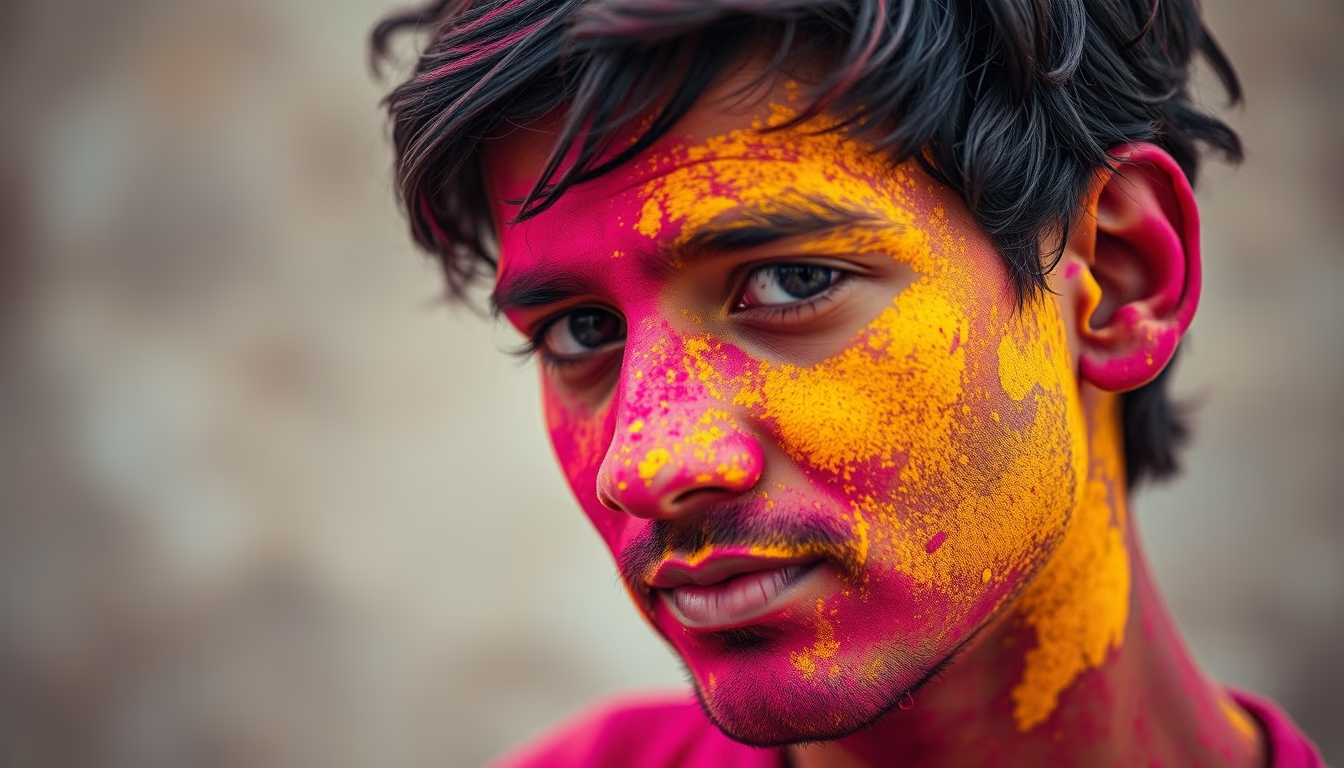
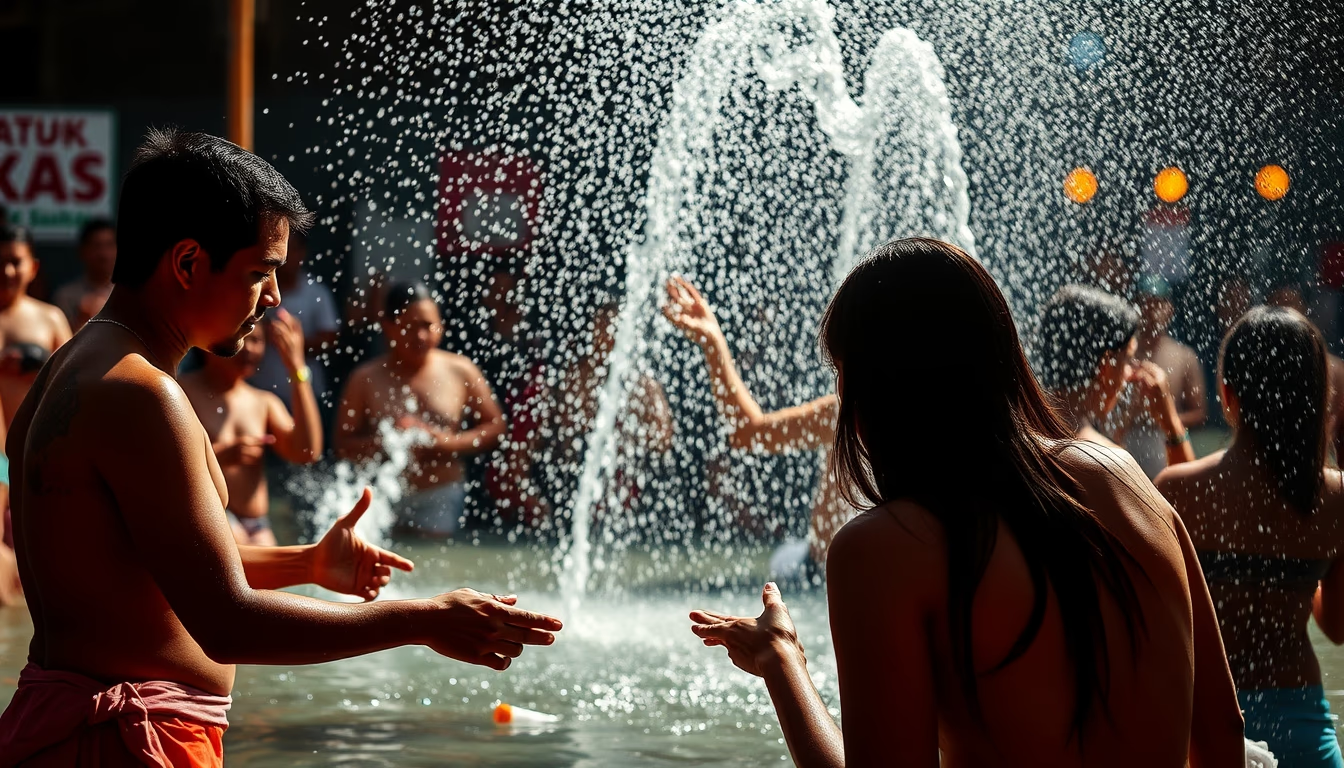
The vibrant colored powders of Holi, the Hindu spring festival, symbolize joy, rebirth, and the victory of good over evil.
About this subject
Holi, known as the Festival of Colors, is a Hindu celebration that marks the arrival of spring and the victory of good over evil. During the festival, participants throw colored powders called gulal and colored water at each other, creating a unique visual spectacle. The tradition has mythological roots: one of the most popular legends tells the story of Prahlada and Holika, symbolizing the destruction of evil. Colors carry specific meanings: red represents love and fertility, blue the deity Krishna, yellow turmeric and purity, and green nature and renewal.
The powders used in Holi, traditionally made from natural ingredients like turmeric, sandalwood, flowers, and plant extracts, were once homemade. Today, many are industrially produced with synthetic dyes, raising environmental and health concerns. As a result, there is a growing movement back to organic and biodegradable powders. Besides powders, participants also use water guns and balloons, and music and dance are essential parts of the celebration.
Although Holi is most associated with India, especially the regions of Uttar Pradesh, Rajasthan, and Gujarat, it is celebrated by Hindu communities worldwide, including Nepal, Sri Lanka, Bangladesh, and the diaspora. In cities like New York, London, and São Paulo, public Holi parties attract thousands of people, regardless of religion. The festival has also influenced pop culture, with events like the "Color Run" and "Festival of Colors" using similar powders.
A fun fact: during Holi, people often consume a traditional drink called bhang, made from marijuana, milk, and spices, which is legal only during the festival in some regions. The celebration also includes typical sweets like gujiya. The atmosphere is one of joy and unity, where social hierarchies temporarily dissolve, and everyone becomes equal under a shower of colors.
Frequently Asked Questions
What do the colors in Holi signify?
Each color has symbolism: red for love and fertility, blue for Krishna, yellow for turmeric and purity, and green for nature and renewal. The colors celebrate the joy and diversity of life.
Are Holi powders safe for the skin?
Natural powders made from turmeric and flowers are safe, but synthetic ones can cause allergies. It is recommended to use organic powders and apply oil on skin and hair for protection.
How is Holi celebrated in different regions?
In India, Holi varies: in Vrindavan and Mathura, it lasts several days with rituals; in Bengal, it is Dol Jatra; in Nepal, it is called Fagu Purnima. Globally, public parties include music and dance.
Direct URL
https://pub-c7d6a6ea828543ac903a74a341ccb2e1.r2.dev/imagens/holi-powder-colors-lo-fi-disposable-camera-fresh2.avifHow to credit
Include a visible link back to UtilizAí. Copy one of the snippets below:
<a href="https://xn--utiliza-eza.com/en/midia/imagens/holi-powder-colors-lo-fi-disposable-camera-fresh2">Holi powder colors</a> by <a href="https://xn--utiliza-eza.com">UtilizAí</a>, licensed under <a href="https://creativecommons.org/licenses/by/4.0/">CC BY 4.0</a>.
[Holi powder colors](https://xn--utiliza-eza.com/en/midia/imagens/holi-powder-colors-lo-fi-disposable-camera-fresh2) by [UtilizAí](https://xn--utiliza-eza.com), CC BY 4.0
License: CC-BY-4.0