Holi powder colors
1344×768 · AVIF · CC BY 4.0
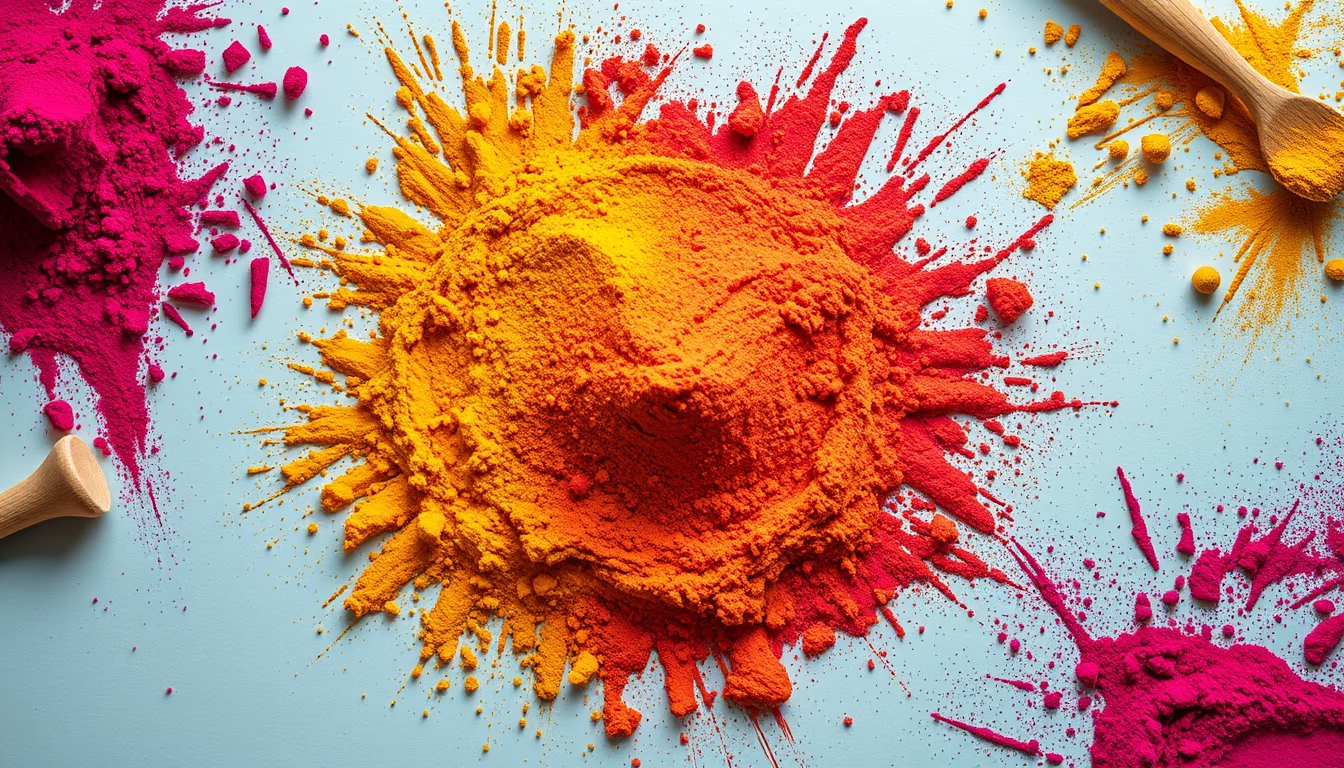
Discover the cultural significance of Holi powder colors, the Indian spring festival, and how they symbolize joy, unity, and renewal.
About this subject
Holi, known as the festival of colors, is a Hindu celebration marking the end of winter and the arrival of spring, primarily in India and Nepal. During the festival, people throw colored powders called gulal at each other, originally made from natural ingredients like turmeric, sandalwood, and flower extracts. Families used to prepare these colors at home with medicinal herbs, but synthetic versions became common over time. In recent years, however, there has been a movement back to organic dyes for environmental and health reasons.
Each color of Holi carries deep symbolism. Red represents love and fertility, blue is associated with the god Krishna, yellow evokes turmeric and purity, and green symbolizes nature and new beginnings. The act of spreading these colors breaks down social barriers of caste, class, and age, promoting equality, forgiveness, and renewal of relationships. This inclusive aspect is one reason Holi has gained global popularity.
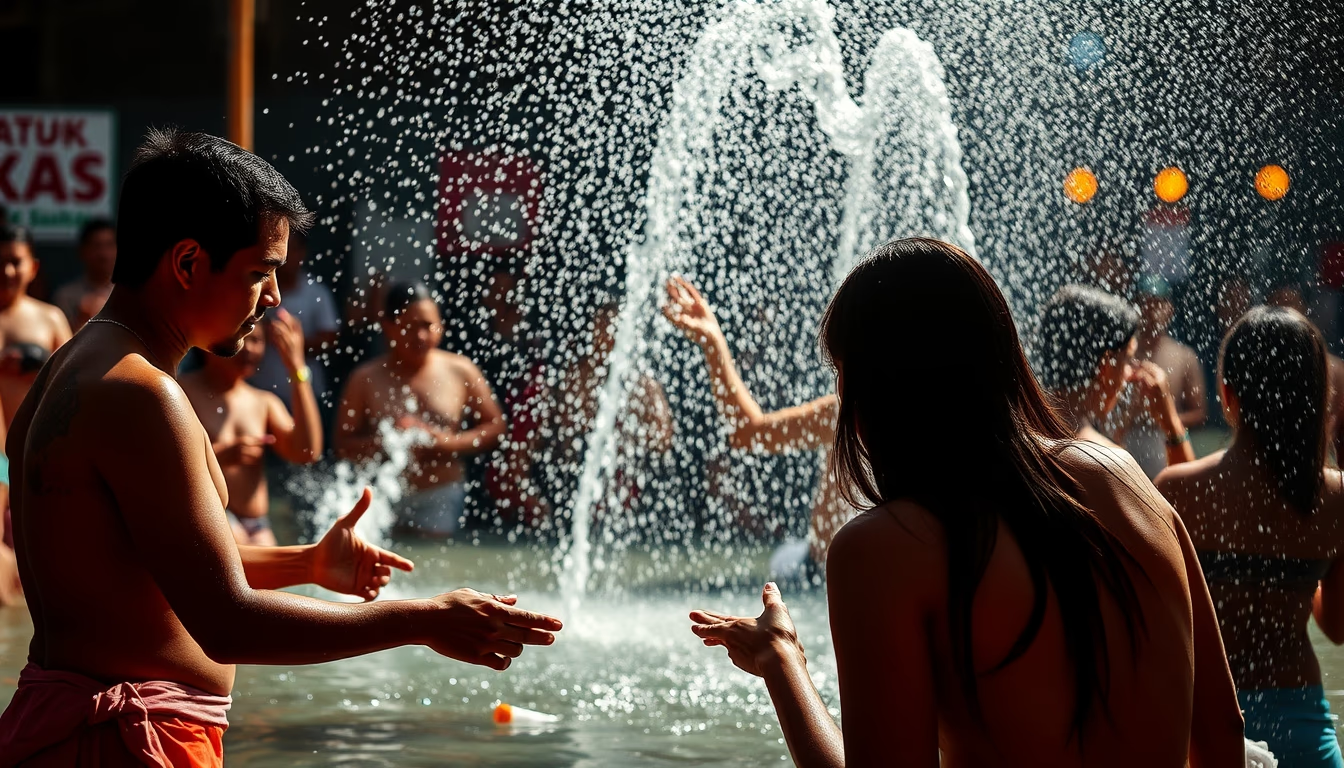
The festival begins the night before with a bonfire called Holika Dahan, symbolizing the triumph of good over evil. The next day, streets fill with people dancing, singing, and throwing colored water and powders. In recent years, Holi has spread worldwide, including Brazil, where events in cities like São Paulo and Rio de Janeiro are organized by Indian communities and temples. Participating in these celebrations is a way to experience Indian culture, but it is advisable to use natural colors to avoid skin allergies and damage.
In Brazil, Holi is often adapted to local contexts, with live music, typical foods like samosas and chai, and family-friendly activities. Although not a national holiday, the festival attracts more Brazilians interested in multicultural experiences. The popularity of Holi has also created a market for natural colored powders, sold in specialty stores or handmade with cornstarch and food coloring.
Frequently Asked Questions
What is Holi?
Holi is a Hindu festival celebrated in India and Nepal, known as the 'festival of colors', marking the arrival of spring and the triumph of good over evil, with origins in legends like that of Prahlada and Holika.
What are the meanings of the colors in Holi?
Colors like red (love and fertility), blue (associated with Lord Krishna), yellow (turmeric and purity), and green (nature and renewal) have specific symbolism, promoting joy and unity.
How is Holi celebrated in Brazil?
In Brazil, Holi is celebrated by Indian communities and enthusiasts at public events with music, dance, and the throwing of colored powders, usually organic for safety.
Direct URL
https://pub-c7d6a6ea828543ac903a74a341ccb2e1.r2.dev/imagens/holi-powder-colors-isometric-flat-lay-fresh5.avifHow to credit
Include a visible link back to UtilizAí. Copy one of the snippets below:
<a href="https://xn--utiliza-eza.com/en/midia/imagens/holi-powder-colors-isometric-flat-lay-fresh5">Holi powder colors</a> by <a href="https://xn--utiliza-eza.com">UtilizAí</a>, licensed under <a href="https://creativecommons.org/licenses/by/4.0/">CC BY 4.0</a>.
[Holi powder colors](https://xn--utiliza-eza.com/en/midia/imagens/holi-powder-colors-isometric-flat-lay-fresh5) by [UtilizAí](https://xn--utiliza-eza.com), CC BY 4.0
License: CC-BY-4.0