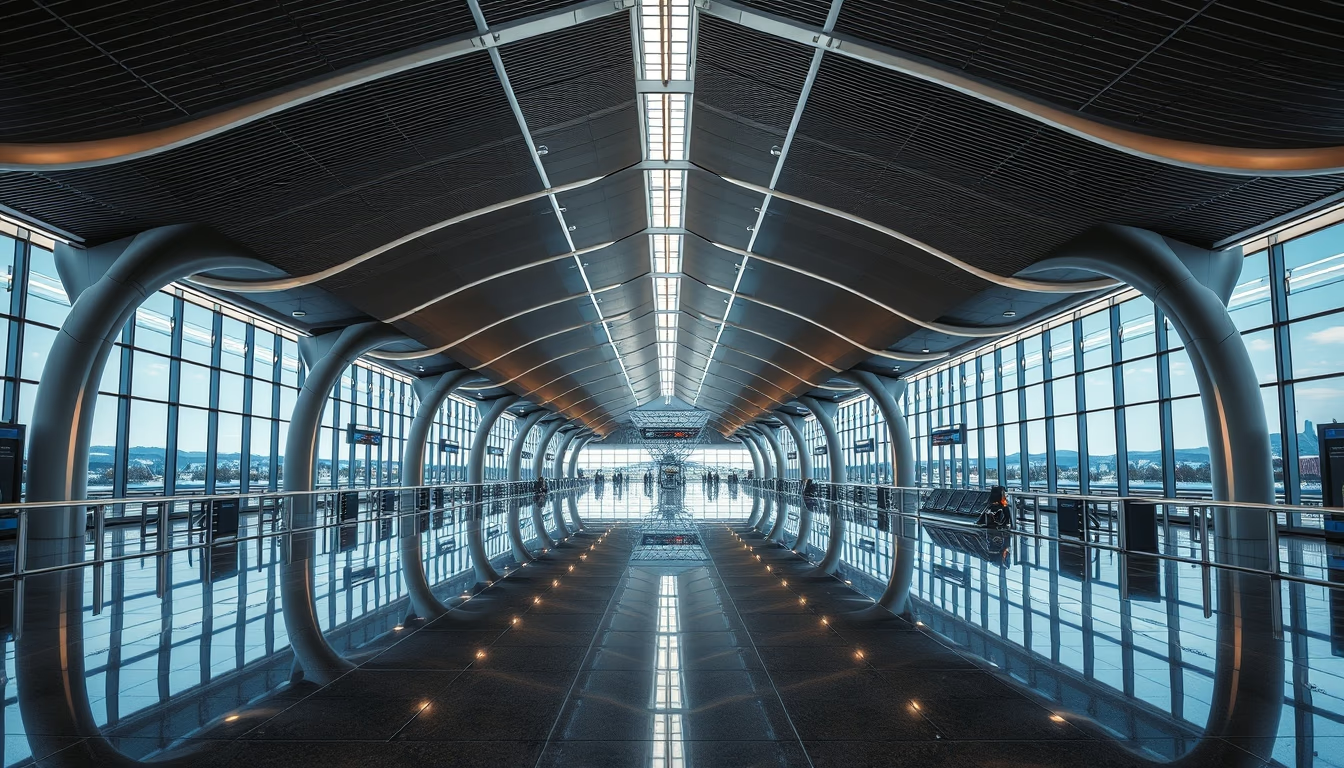
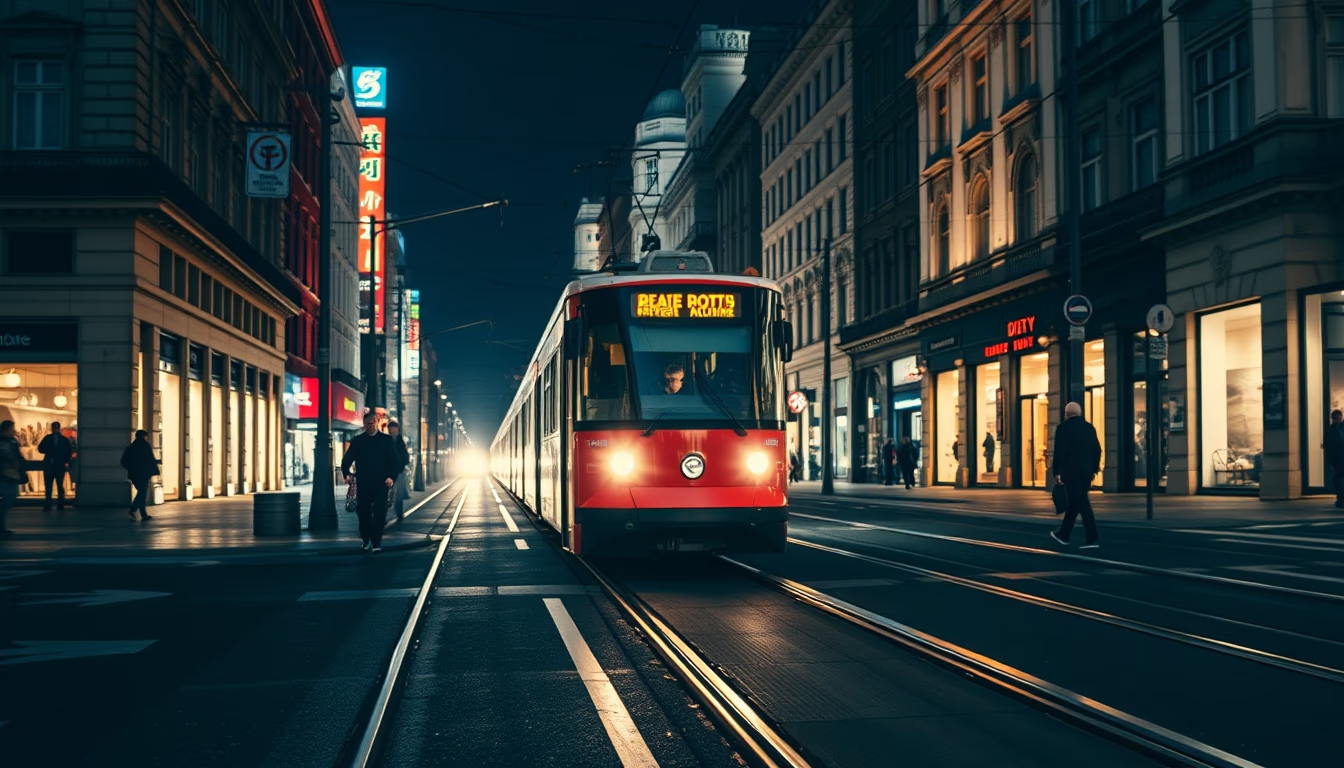
High speed train station
1344×768 · AVIF · CC BY 4.0

High-speed train stations combine iconic architecture and technological efficiency, transforming global urban mobility.
About this subject
High-speed train stations are modern transport hubs that integrate innovative design, sustainability, and cutting-edge logistics. Unlike conventional stations, they are planned to handle complex passenger flows on a large scale, with dedicated platforms, digital ticketing systems, and intermodal connections to metros, buses, and airports. Iconic examples include Tokyo Station (Japan), serving the Shinkansen, and Lyon Part-Dieu Station (France), a central node of the TGV network. In China, Beijing South Railway Station is one of the largest in the world, processing hundreds of thousands of passengers daily with surgical precision.
The architectural design of these stations often becomes a symbol of the cities they serve. The use of large skylights, steel and glass structures, and linear circulation flows maximizes natural lighting and passenger orientation. Nagoya Station, for instance, boasts an imposing facade that incorporates sustainability principles such as rainwater harvesting and solar panels. Moreover, many newer stations are designed for modular expansion, keeping pace with growing demand for fast travel.
Economically, high-speed stations drive regional development by creating commercial and residential districts around them. The so-called "hub effect" attracts offices, hotels, and convention centers, as seen around King's Cross St. Pancras in London. Integration with the continental high-speed rail (Eurostar) transformed that area into a business center. Furthermore, the energy efficiency of high-speed trains, combined with intelligent station management, contributes to reducing carbon emissions in the transport sector.
The trend for 2026 points to increasingly smart stations, using artificial intelligence for flow control, predictive security, and personalized passenger experience. Countries like India and Brazil are planning new high-speed networks, featuring stations that will be models of sustainability and connectivity. The high-speed train station ceases to be merely a boarding point and becomes a destination in itself, an urban center redefining people's relationship with long-distance travel.
Frequently Asked Questions
What is the busiest high-speed train station in the world?
Beijing South Railway Station in China is considered the busiest, with a daily flow exceeding 300,000 passengers. It serves the Beijing-Shanghai line, one of the most used high-speed routes on the planet.
How do high-speed stations impact tourism?
They enable quick access between tourist hubs, reducing travel time and encouraging short trips. For example, Shibuya Station in Tokyo integrates the Shinkansen with the subway, allowing tourists to visit multiple destinations in one day.
What design features are common in modern high-speed stations?
Large skylights for natural lighting, linear circulation flows, use of sustainable materials, multimodal integration (metro, bus, bicycles), and intelligent passenger information systems are typical features.
Direct URL
https://pub-c7d6a6ea828543ac903a74a341ccb2e1.r2.dev/imagens/high-speed-train-station-studio-editorial-portrait-p3.avifHow to credit
Include a visible link back to UtilizAí. Copy one of the snippets below:
<a href="https://xn--utiliza-eza.com/en/midia/imagens/high-speed-train-station-studio-editorial-portrait-p3">High speed train station</a> by <a href="https://xn--utiliza-eza.com">UtilizAí</a>, licensed under <a href="https://creativecommons.org/licenses/by/4.0/">CC BY 4.0</a>.
[High speed train station](https://xn--utiliza-eza.com/en/midia/imagens/high-speed-train-station-studio-editorial-portrait-p3) by [UtilizAí](https://xn--utiliza-eza.com), CC BY 4.0
License: CC-BY-4.0