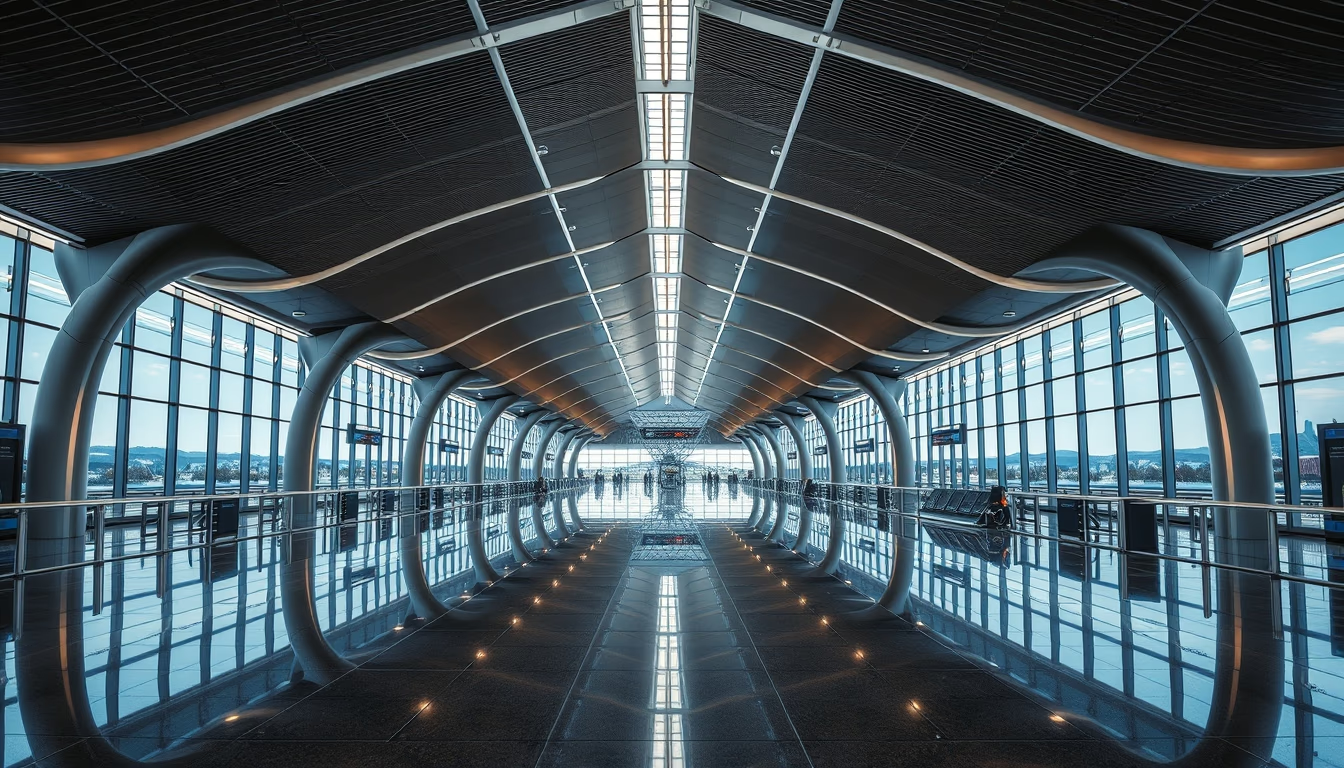
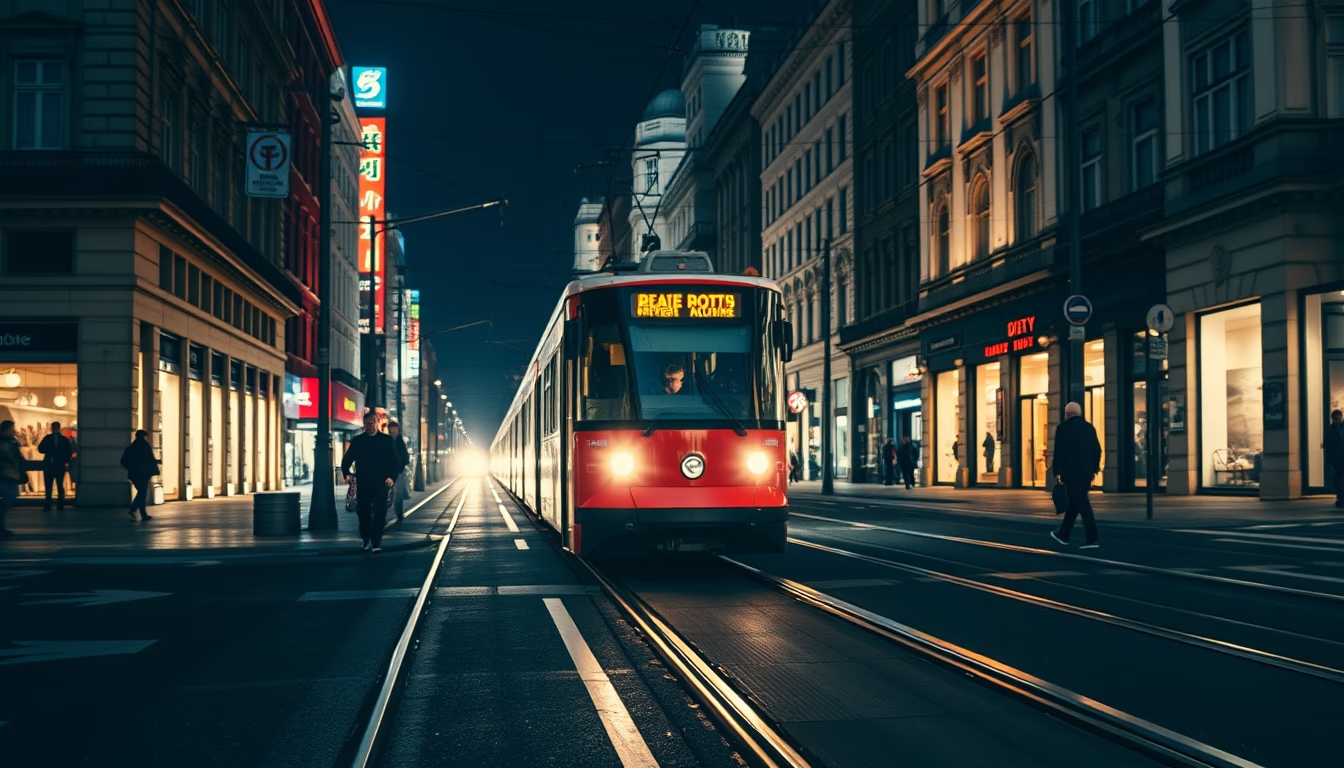
High speed train station
1344×768 · AVIF · CC BY 4.0

High-speed train stations are modern engineering landmarks, designed for rapid passenger flow and urban integration.
About this subject
High-speed train stations represent the pinnacle of railway transport infrastructure, combining operational efficiency and cutting-edge architectural design. Built to serve trains exceeding 250 km/h, these stations feature longer platforms, digital signaling systems, and direct connections to subways and airports. A prime example is Beijing South Station in China, one of the world's largest, handling 30 million passengers annually. Berlin Central Station in Germany impresses with its glass and steel structure integrating high-speed, regional, and urban trains. In Japan, Shinkansen stations like Tokyo Station act as hubs connecting bullet trains to vast subway networks, facilitating daily mobility for millions. The design prioritizes fluidity: spacious concourses, high-capacity escalators, real-time information panels, and retail areas optimize the travel experience. Sustainability is also a key focus, with solar energy, water recycling systems, and natural lighting. Architecture often reflects local culture: Liège-Guillemins Station in Belgium has a undulating roof evoking train movement, while Rome Termini preserves historic facades alongside modern facilities. As high-speed networks expand globally, these stations become catalysts for economic development, boosting tourism and regional integration.
Frequently Asked Questions
What is the largest high-speed train station in the world?
Beijing South Station in China is considered the largest, with 31 platforms and a total area of 320,000 square meters, serving high-speed trains to various regions.
How do high-speed stations differ from regular stations?
They feature longer, straighter platforms, advanced signaling systems, wider track spacing, and direct access to other modes like metro and airports to ensure quick connections.
Which country has the most extensive network of high-speed stations?
China leads with over 40,000 km of high-speed lines and hundreds of modern stations, followed by countries like Japan, France, and Germany.
Direct URL
https://pub-c7d6a6ea828543ac903a74a341ccb2e1.r2.dev/imagens/high-speed-train-station-lo-fi-disposable-camera-p0.avifHow to credit
Include a visible link back to UtilizAí. Copy one of the snippets below:
<a href="https://xn--utiliza-eza.com/en/midia/imagens/high-speed-train-station-lo-fi-disposable-camera-p0">High speed train station</a> by <a href="https://xn--utiliza-eza.com">UtilizAí</a>, licensed under <a href="https://creativecommons.org/licenses/by/4.0/">CC BY 4.0</a>.
[High speed train station](https://xn--utiliza-eza.com/en/midia/imagens/high-speed-train-station-lo-fi-disposable-camera-p0) by [UtilizAí](https://xn--utiliza-eza.com), CC BY 4.0
License: CC-BY-4.0