High speed train station
1344×768 · AVIF · CC BY 4.0
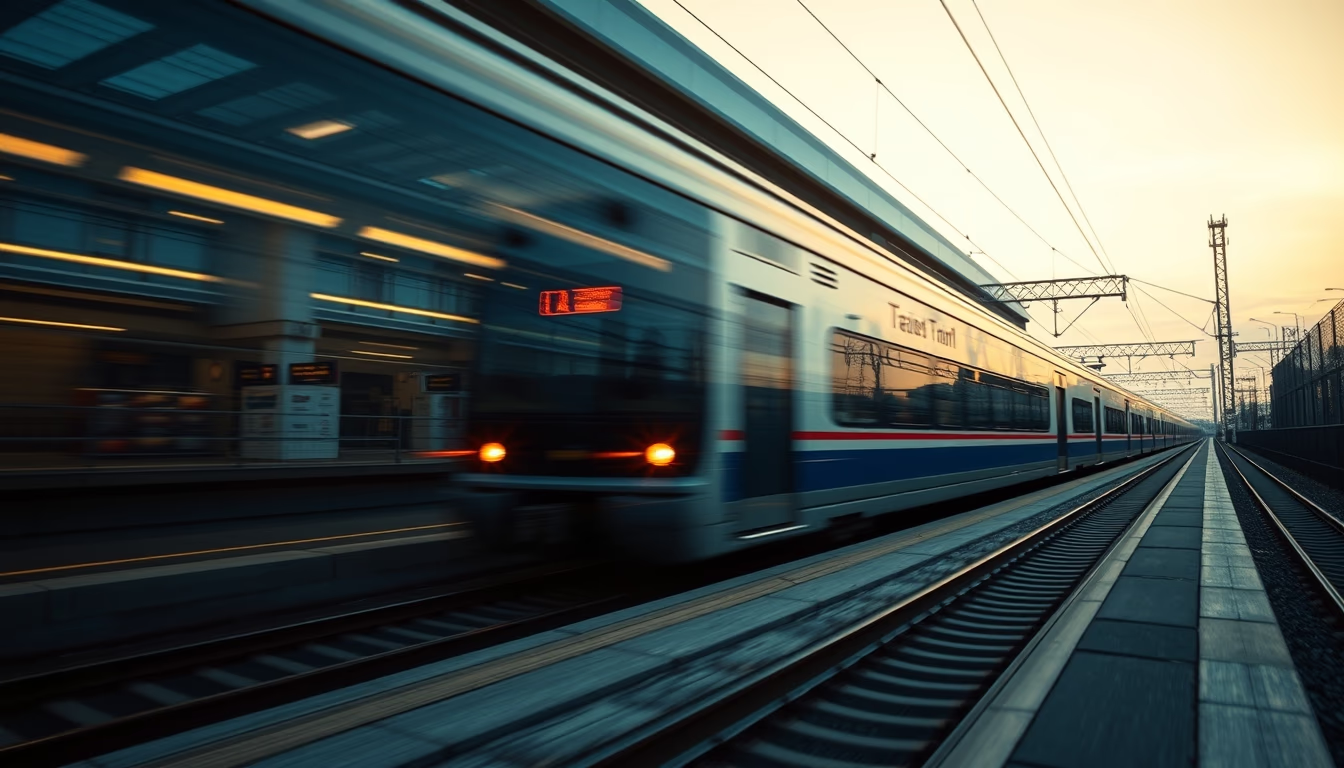
High speed train stations combine technology, comfort, and efficiency in terminals that connect cities in minutes.
About this subject
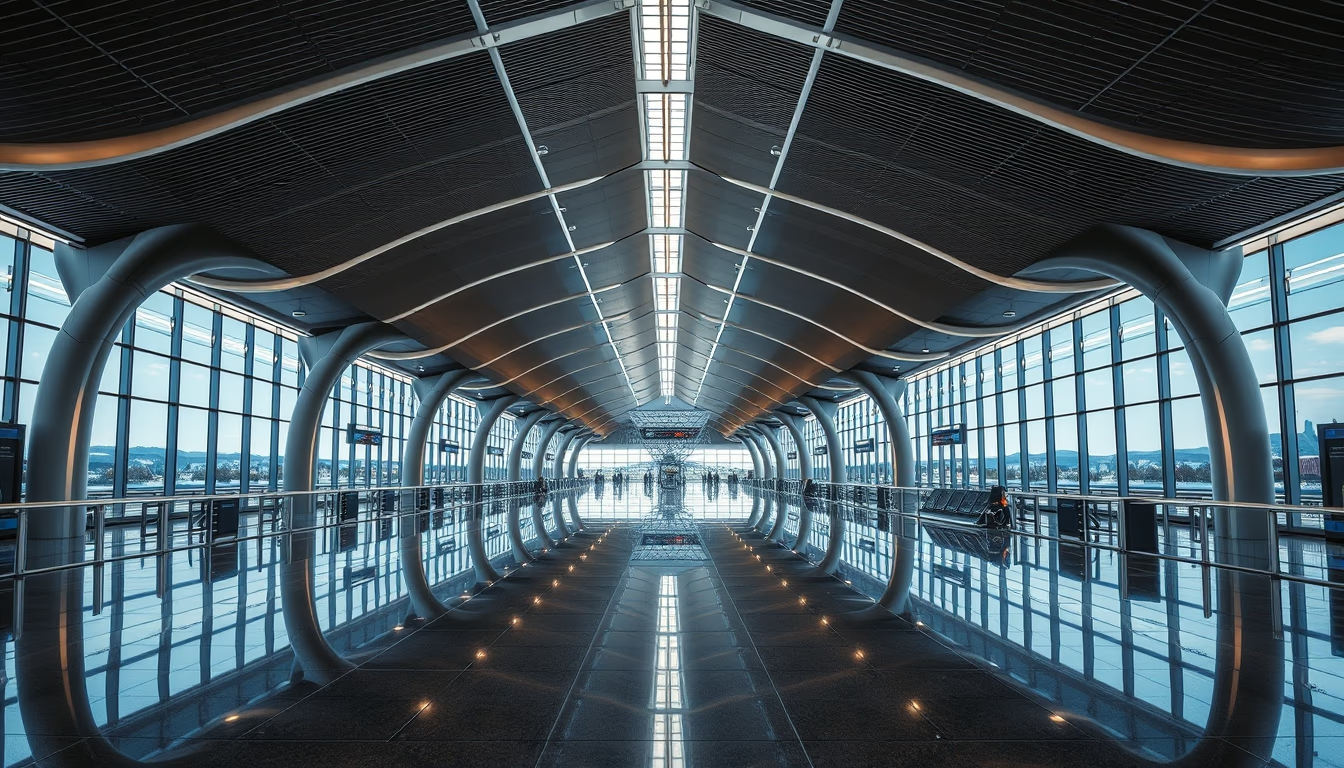
High speed train stations are modern hubs designed to meet the demand for fast and sustainable travel. Unlike traditional stations, these buildings prioritize optimized passenger flows, safety, and integration with other modes of transport such as subways and buses. Iconic examples include Tokyo Station in Japan, which handles millions of passengers daily and hosts the Shinkansen bullet train reaching speeds of up to 320 km/h. In Europe, the Gare do Oriente in Lisbon and the Gare de Lyon in Paris are architectural landmarks symbolizing the modernity of rail transport.
The importance of these stations goes beyond functionality: they drive urban development. Cities like Lyon and Frankfurt have seen their central areas revitalized after the arrival of high speed stations. In Asia, Shanghai Hongqiao Station in China is a complex integrating train, airport, and metro, processing over 100 million passengers annually. In Brazil, the Rio-São Paulo bullet train project, though not yet realized, planned a station in São Paulo's Campo de Marte neighborhood with capacity for 40,000 passengers per day.
Technically, these stations feature long platforms, advanced signaling systems, and climate-controlled waiting areas. Most adopt sustainable designs such as green roofs and natural lighting, reducing energy consumption. Interestingly, Berlin Central Station in Germany has a floor dedicated exclusively to shops and restaurants, functioning as an integrated shopping center. Meanwhile, Kyoto Station in Japan is a 15-story complex that includes a hotel and convention center.
Passenger experience is prioritized with digital ticketing, real-time information displays, and universal accessibility. In many terminals, such as Brussels-Midi, there are bicycle rental and electric car-sharing services promoting sustainable mobility. High speed train stations are therefore much more than departure points: they are symbols of engineering and global integration.
Frequently Asked Questions
What is the busiest high speed train station in the world?
Tokyo Station in Japan is one of the busiest, handling about 3 million passengers per day, including Shinkansen services.
How do high speed stations contribute to sustainability?
They adopt green roofs, natural lighting, water recycling systems, and integration with electric transport, reducing the carbon footprint.
Does Brazil have any high speed train station?
No, Brazil does not yet have high speed trains in operation. The Rio-São Paulo bullet train project was suspended, but studies planned a station in Campo de Marte, São Paulo.
Direct URL
https://pub-c7d6a6ea828543ac903a74a341ccb2e1.r2.dev/imagens/high-speed-train-station-cinematic-wide-shot-p2.avifHow to credit
Include a visible link back to UtilizAí. Copy one of the snippets below:
<a href="https://xn--utiliza-eza.com/en/midia/imagens/high-speed-train-station-cinematic-wide-shot-p2">High speed train station</a> by <a href="https://xn--utiliza-eza.com">UtilizAí</a>, licensed under <a href="https://creativecommons.org/licenses/by/4.0/">CC BY 4.0</a>.
[High speed train station](https://xn--utiliza-eza.com/en/midia/imagens/high-speed-train-station-cinematic-wide-shot-p2) by [UtilizAí](https://xn--utiliza-eza.com), CC BY 4.0
License: CC-BY-4.0