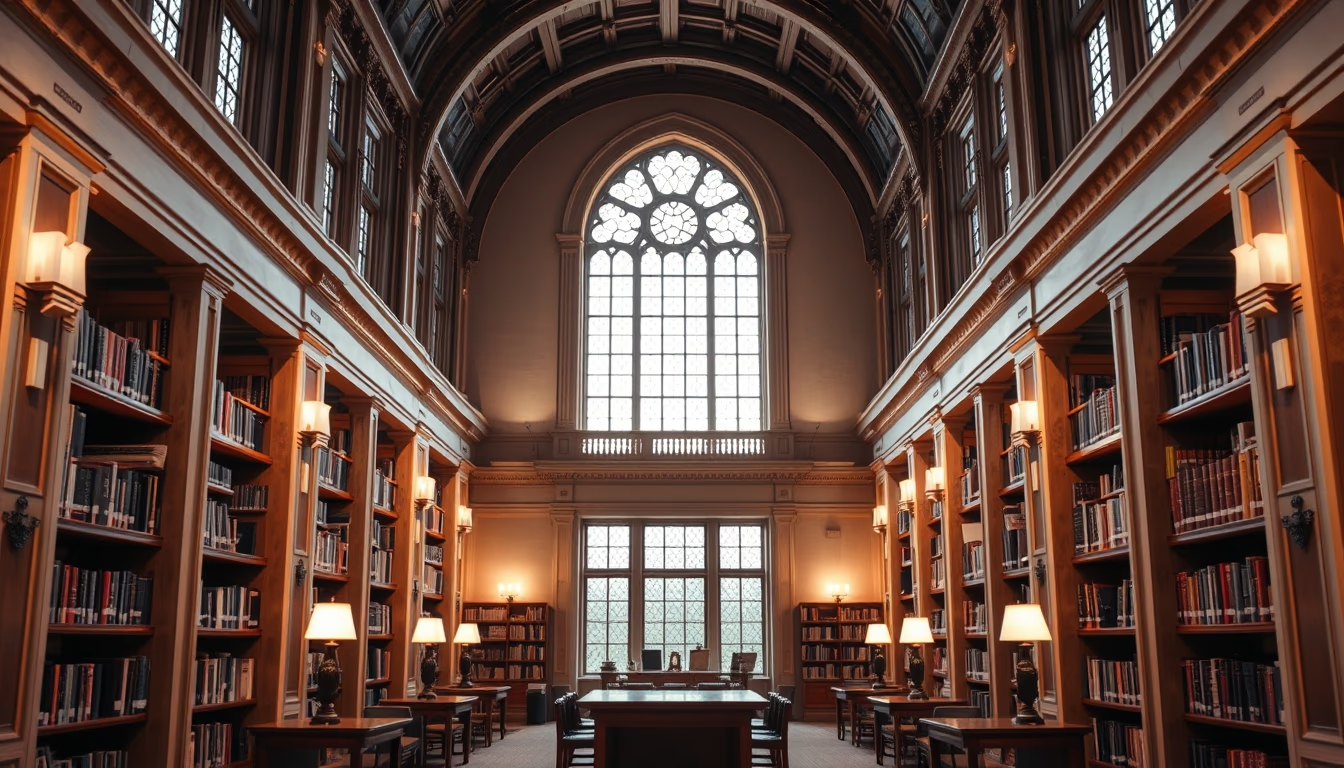
Harvard library reading room
1344×768 · AVIF · CC BY 4.0
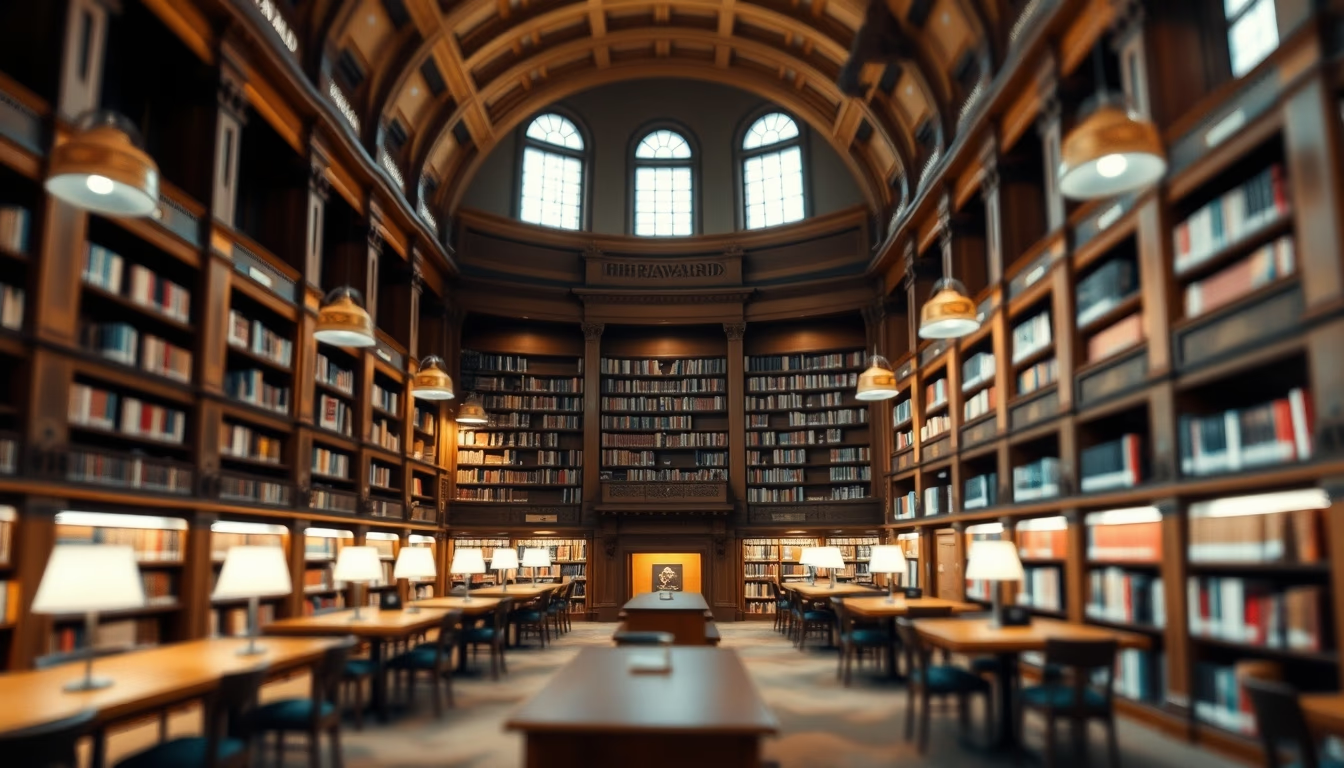
The reading room of Widener Library at Harvard is an iconic space combining history, architecture, and academic tradition.
About this subject
The Harvard University library system is one of the oldest and most prestigious in the United States, founded in 1638 with a donation of 400 books by Reverend John Harvard. Today, it holds over 20 million volumes across more than 70 specialized libraries. The flagship is Widener Library, built in 1915 in memory of Harry Elkins Widener, a Harvard alumnus who perished in the Titanic sinking. Its main reading room, the Widener Reading Room, exemplifies neoclassical architecture with marble columns, high ceilings, and crystal chandeliers. The space seats about 300 and houses rare items such as incunabula and medieval manuscripts.
The reading room is renowned for its silent and inspiring atmosphere, often depicted in films and books. Symmetrical layout and natural light from tall windows foster a focused environment. Unlike other major libraries, Widener Reading Room is restricted to Harvard affiliates, preserving its exclusivity. The library also holds the oldest map collection in the Americas, including the 1507 Waldseemüller map that first named the continent.
Technologically, Widener has modernized while retaining its historic aesthetic. The tilt-shift effect, common in photography, creates a miniature illusion by blurring parts of the image, emphasizing the room's grandeur. The actual scale is impressive: 30 meters long and 15 meters high. Virtual visitors can explore the space through online guided tours offered by the university.
Frequently Asked Questions
Is Harvard Library open to the public?
Most Harvard libraries are restricted to students, faculty, and staff. However, some exhibitions and guided tours are open to the public by appointment.
What is the largest collection at Harvard Library?
Widener Library holds the largest collection, with over 3.5 million volumes, focusing on humanities, social sciences, and literature.
What is the tilt-shift effect and why is it used in photos of the library?
Tilt-shift is a photographic technique that blurs parts of the image to create a miniature illusion. It highlights the scale and architectural details of the reading room.
Direct URL
https://pub-c7d6a6ea828543ac903a74a341ccb2e1.r2.dev/imagens/harvard-library-reading-room-tilt-shift-miniature-fresh5.avifHow to credit
Include a visible link back to UtilizAí. Copy one of the snippets below:
<a href="https://xn--utiliza-eza.com/en/midia/imagens/harvard-library-reading-room-tilt-shift-miniature-fresh5">Harvard library reading room</a> by <a href="https://xn--utiliza-eza.com">UtilizAí</a>, licensed under <a href="https://creativecommons.org/licenses/by/4.0/">CC BY 4.0</a>.
[Harvard library reading room](https://xn--utiliza-eza.com/en/midia/imagens/harvard-library-reading-room-tilt-shift-miniature-fresh5) by [UtilizAí](https://xn--utiliza-eza.com), CC BY 4.0
License: CC-BY-4.0