Hand counting Brazilian Real on a wooden desk with calculator
1344×768 · AVIF · CC BY 4.0
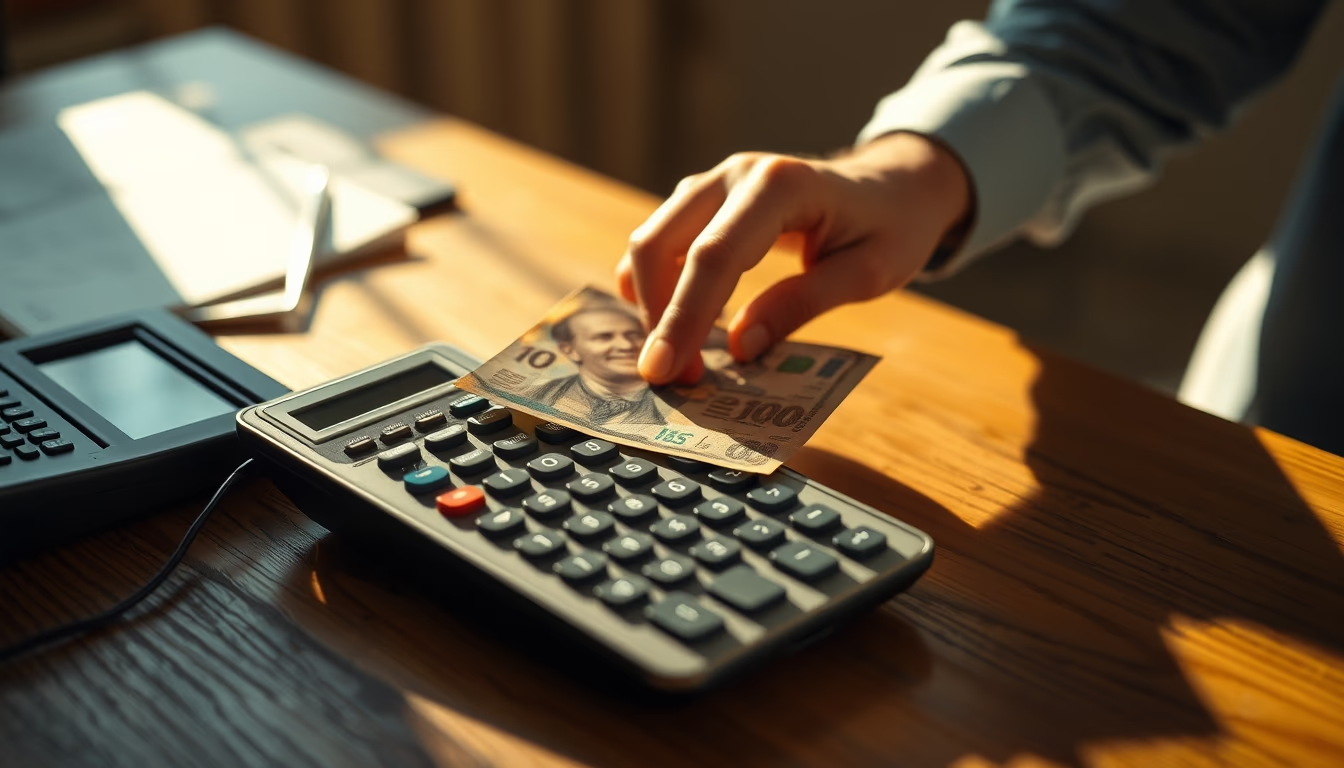
Hands counting Brazilian Real banknotes on a wooden desk with a calculator, a typical personal finance scene in Brazil.
About this subject
The Brazilian Real, official currency since 1994, is a cornerstone of the country's economic stability. Introduced by the Plano Real, it replaced the Cruzeiro Real amid hyperinflation that reached 2,500% per year. Current banknotes, from the second family of the Real, were launched between 2010 and 2012 and feature Brazilian wildlife: the jaguar (R$50), the grouper (R$100), and the maned wolf (R$200). Counting cash manually, though largely replaced by digital transactions, remains common in small businesses, street markets, and household budgeting.
The calculator next to the bills highlights the need for accuracy in family or business budgets. In Brazil, where annual inflation hovers around 4% to 6% (2024 data), controlling expenses is crucial. The wooden desk suggests an informal setting, such as a small business or home office, where physical cash still circulates. According to the Central Bank, about 20% of transactions in Brazil are still in cash, especially in rural areas or for low-value payments.
Interestingly, the Real is one of the world's most secure currencies, featuring watermarks, security threads, and tactile relief for the visually impaired. The R$200 note, launched in 2020, sparked controversy over its potential use in money laundering but is widely accepted. The act of counting bills also evokes the culture of "cash in hand," still valued in negotiations for used cars, rents, and consortia.
Frequently Asked Questions
Why is the Brazilian Real considered a secure currency?
The Real features security elements such as watermarks, security threads, tactile relief, and color-shifting inks. The second family of banknotes, launched from 2010 onward, also includes features visible under ultraviolet light.
How important is physical cash in Brazil today?
About 20% of transactions in Brazil are still in cash, according to the Central Bank. Physical cash is essential in rural areas, small businesses, and for unbanked individuals.
What do the animals on Real banknotes represent?
Each note from the second family of the Real honors a Brazilian animal: jaguar (R$50), grouper (R$100), and maned wolf (R$200). This highlights national biodiversity and promotes conservation.
Direct URL
https://pub-c7d6a6ea828543ac903a74a341ccb2e1.r2.dev/imagens/hand-counting-brazilian-real-on-a-wooden-desk-with-calculator-wide-late-afternoon.avifHow to credit
Include a visible link back to UtilizAí. Copy one of the snippets below:
<a href="https://xn--utiliza-eza.com/en/midia/imagens/hand-counting-brazilian-real-on-a-wooden-desk-with-calculator-wide-late-afternoon">Hand counting Brazilian Real on a wooden desk with calculator</a> by <a href="https://xn--utiliza-eza.com">UtilizAí</a>, licensed under <a href="https://creativecommons.org/licenses/by/4.0/">CC BY 4.0</a>.
[Hand counting Brazilian Real on a wooden desk with calculator](https://xn--utiliza-eza.com/en/midia/imagens/hand-counting-brazilian-real-on-a-wooden-desk-with-calculator-wide-late-afternoon) by [UtilizAí](https://xn--utiliza-eza.com), CC BY 4.0
License: CC-BY-4.0
Tags
Related images
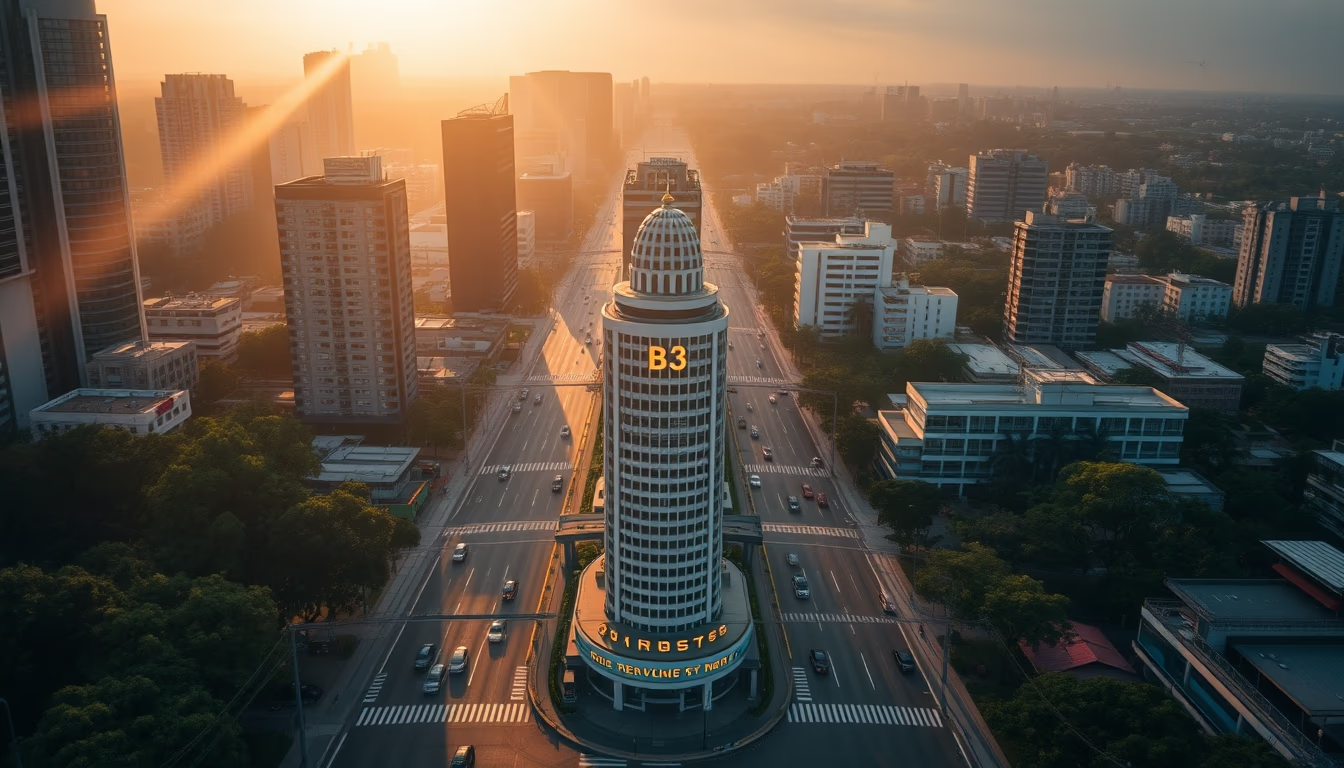 Aerial view of São Paulo financial district at golden hour with B3 building
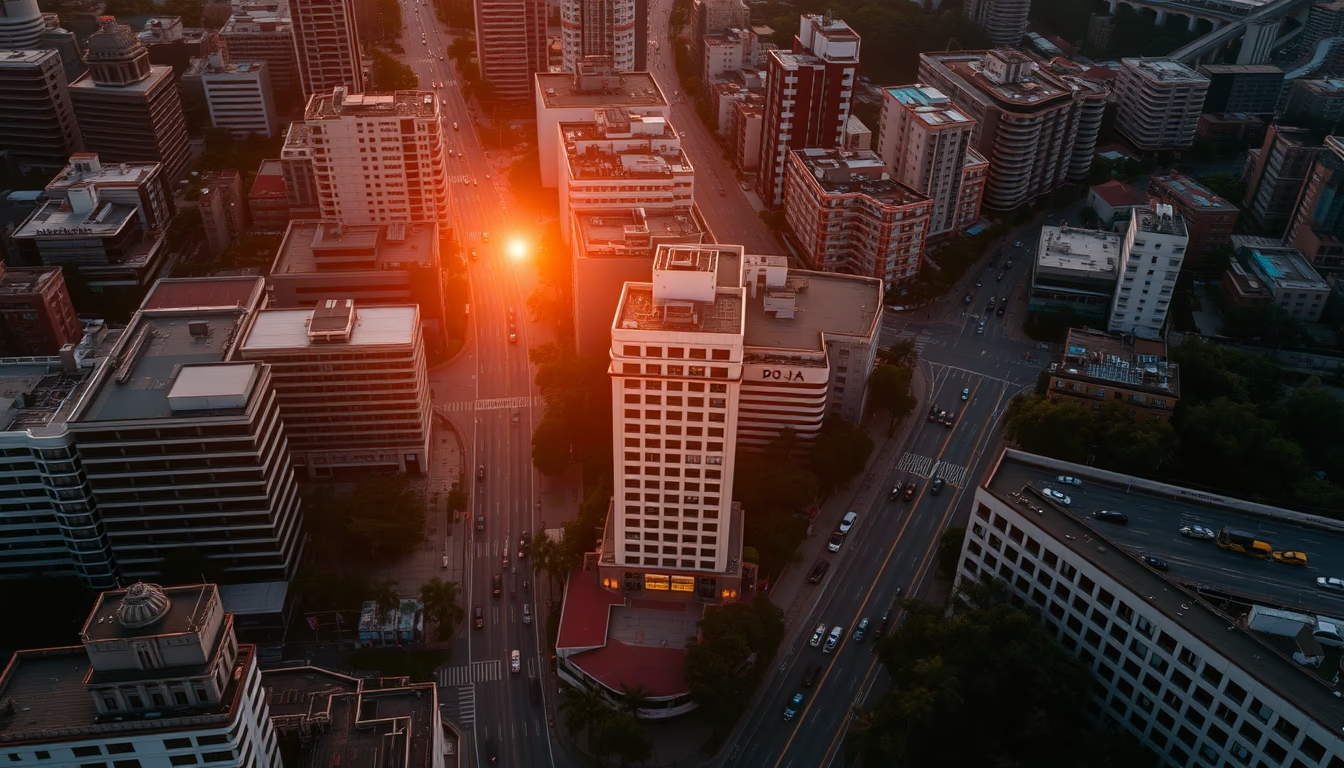 Aerial view of São Paulo financial district at golden hour with B3 building
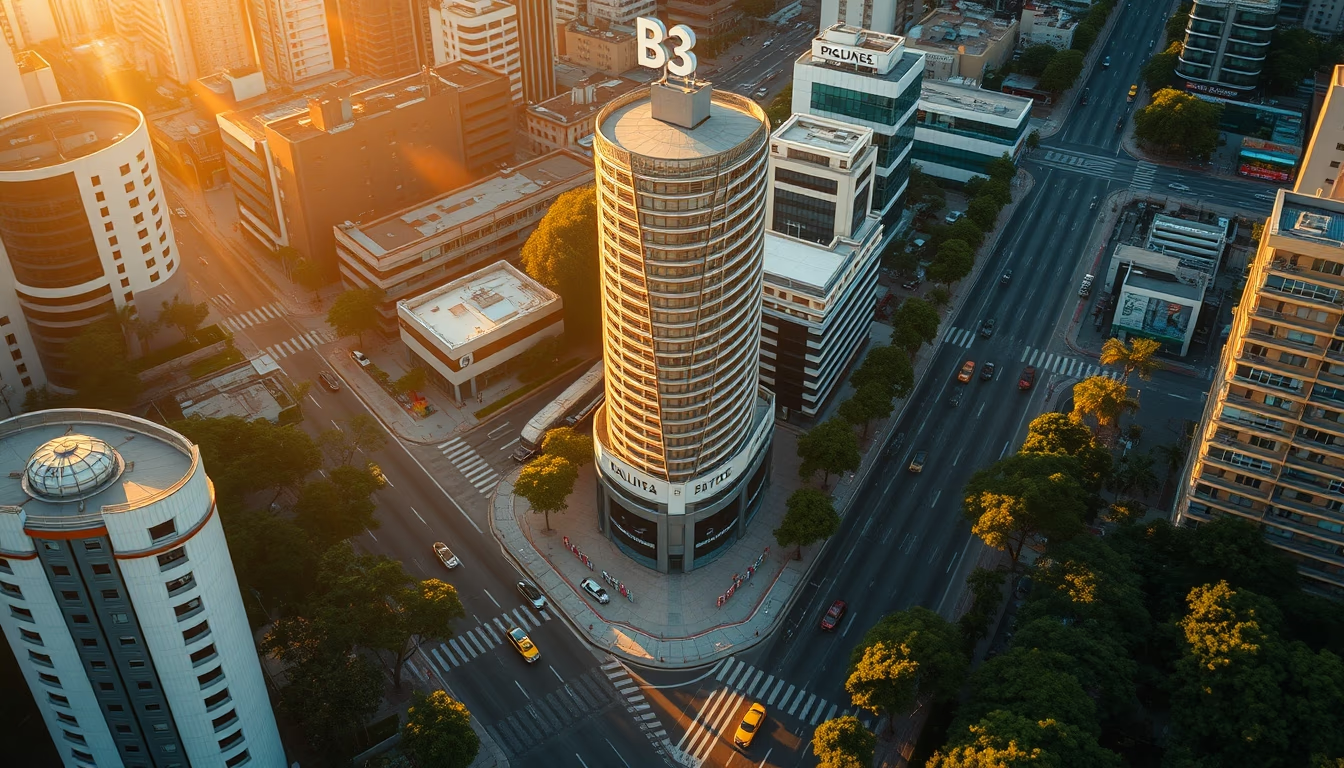 Aerial view of São Paulo financial district at golden hour with B3 building
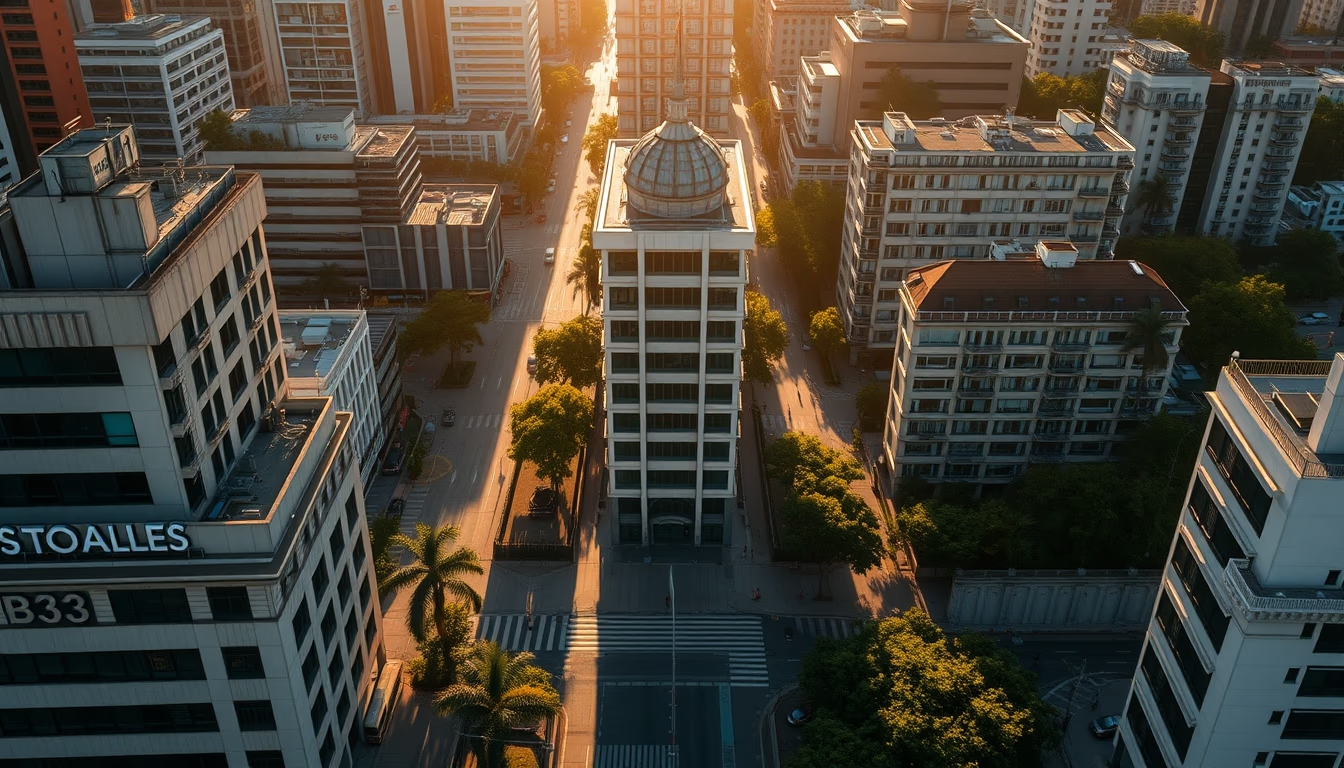 Aerial view of São Paulo financial district at golden hour with B3 building
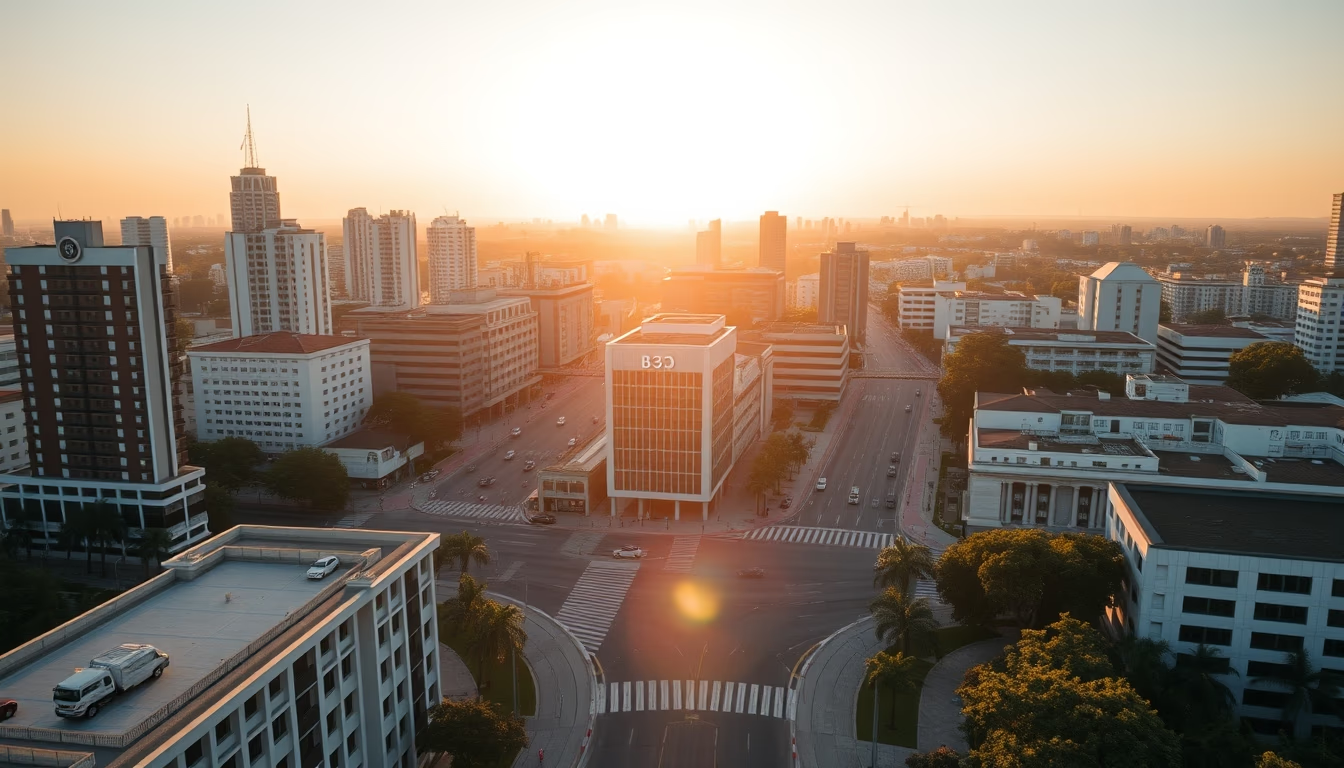 Aerial view of São Paulo financial district at golden hour with B3 building
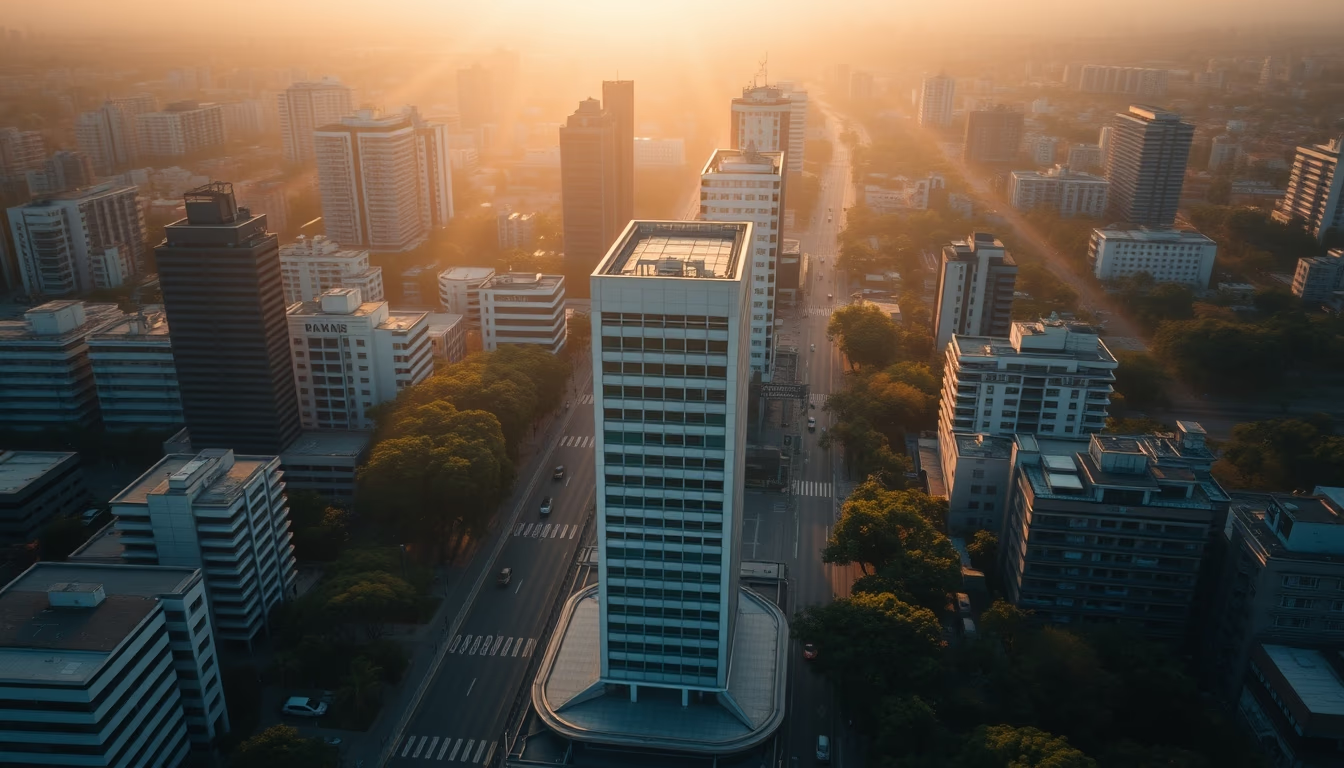 Aerial view of São Paulo financial district at golden hour with B3 building