Hand counting Brazilian Real on a wooden desk with calculator
1344×768 · AVIF · CC BY 4.0
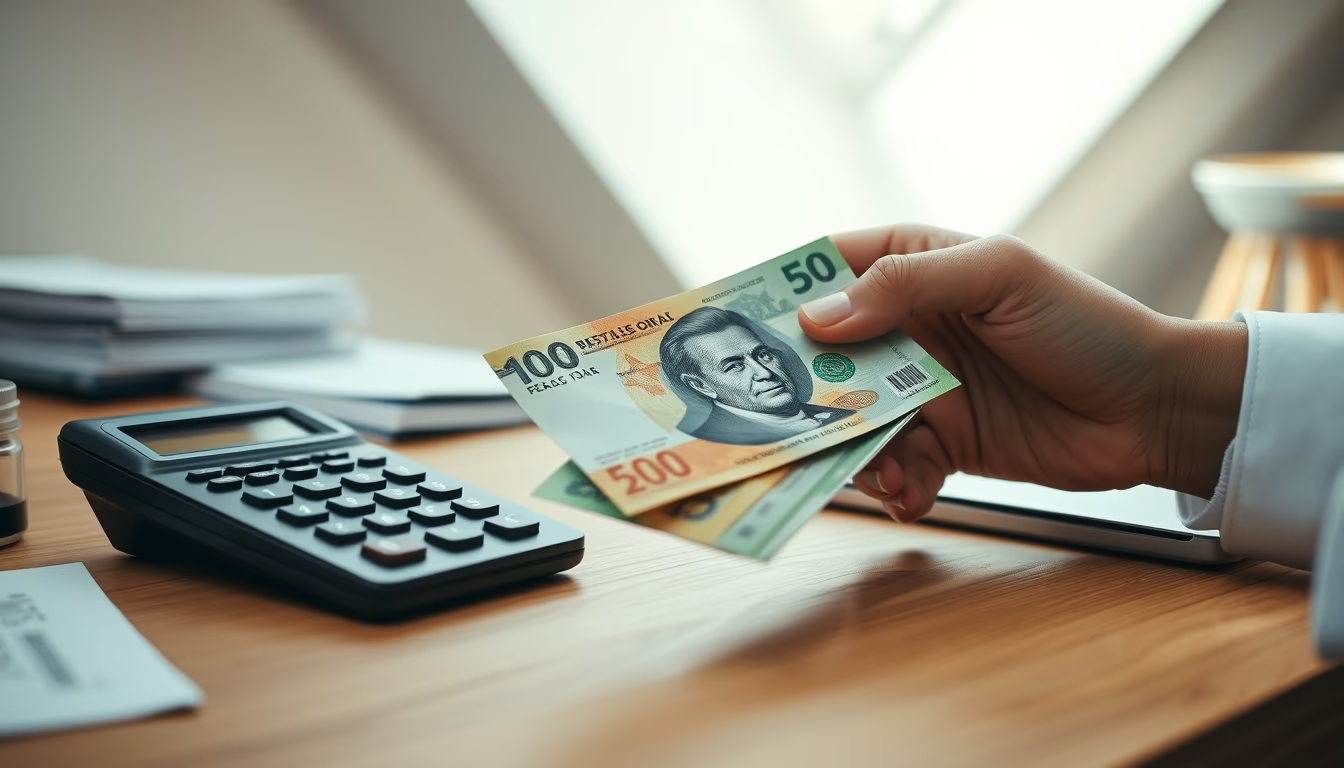
Hands counting Brazilian Real banknotes on a wooden desk with a calculator, a common scene in personal finance and small businesses in Brazil.
About this subject
The act of manually counting money, as depicted in the image, remains common in Brazil, especially in small businesses, street markets, and informal transactions. The Real, official currency since 1994, replaced the Cruzeiro Real during the Plano Real, which stabilized the Brazilian economy after decades of hyperinflation. Current banknotes, from the second family of the Real (launched in 2010), feature security elements like watermarks, raised print, and holographic strips, but manual counting persists as a verification and control method.
The calculator next to the notes symbolizes the need for quick calculations in businesses such as street fairs, neighborhood stores, or freelance services. The wooden desk, typical of domestic or simple office environments, reinforces the context of personal finance or micro-entrepreneurship. In Brazil, about 40% of the workforce operates informally (2023 IBGE data), where physical cash still reigns, despite the growth of Pix and cards.
Interestingly, Brazil has one of the largest numbers of banknotes in circulation globally, with over 7 billion notes (2023 Central Bank data). The R$ 200 note, the most recent (launched in 2020), sparked controversy for allegedly facilitating tax evasion and organized crime but is widely used. The image captures a moment of financial organization that contrasts with increasing digitalization yet remains essential for millions of Brazilians.
Frequently Asked Questions
Why is manually counting money still common in Brazil?
Manual counting persists due to high informality in the labor market and the preference for physical cash in small businesses and regions with limited banking access.
What are the main features of Brazilian Real banknotes?
The second family of the Real (2010) features varying sizes by denomination, watermarks, raised print, holographic strips, and color-shifting numbers to deter counterfeiting.
Has Pix replaced cash in Brazil?
Not completely. Although Pix has reduced cash usage, physical money remains crucial for informal transactions and areas with poor connectivity.
Direct URL
https://pub-c7d6a6ea828543ac903a74a341ccb2e1.r2.dev/imagens/hand-counting-brazilian-real-on-a-wooden-desk-with-calculator-symmetric-bright-midday-6.avifHow to credit
Include a visible link back to UtilizAí. Copy one of the snippets below:
<a href="https://xn--utiliza-eza.com/en/midia/imagens/hand-counting-brazilian-real-on-a-wooden-desk-with-calculator-symmetric-bright-midday-6">Hand counting Brazilian Real on a wooden desk with calculator</a> by <a href="https://xn--utiliza-eza.com">UtilizAí</a>, licensed under <a href="https://creativecommons.org/licenses/by/4.0/">CC BY 4.0</a>.
[Hand counting Brazilian Real on a wooden desk with calculator](https://xn--utiliza-eza.com/en/midia/imagens/hand-counting-brazilian-real-on-a-wooden-desk-with-calculator-symmetric-bright-midday-6) by [UtilizAí](https://xn--utiliza-eza.com), CC BY 4.0
License: CC-BY-4.0
Tags
Related images
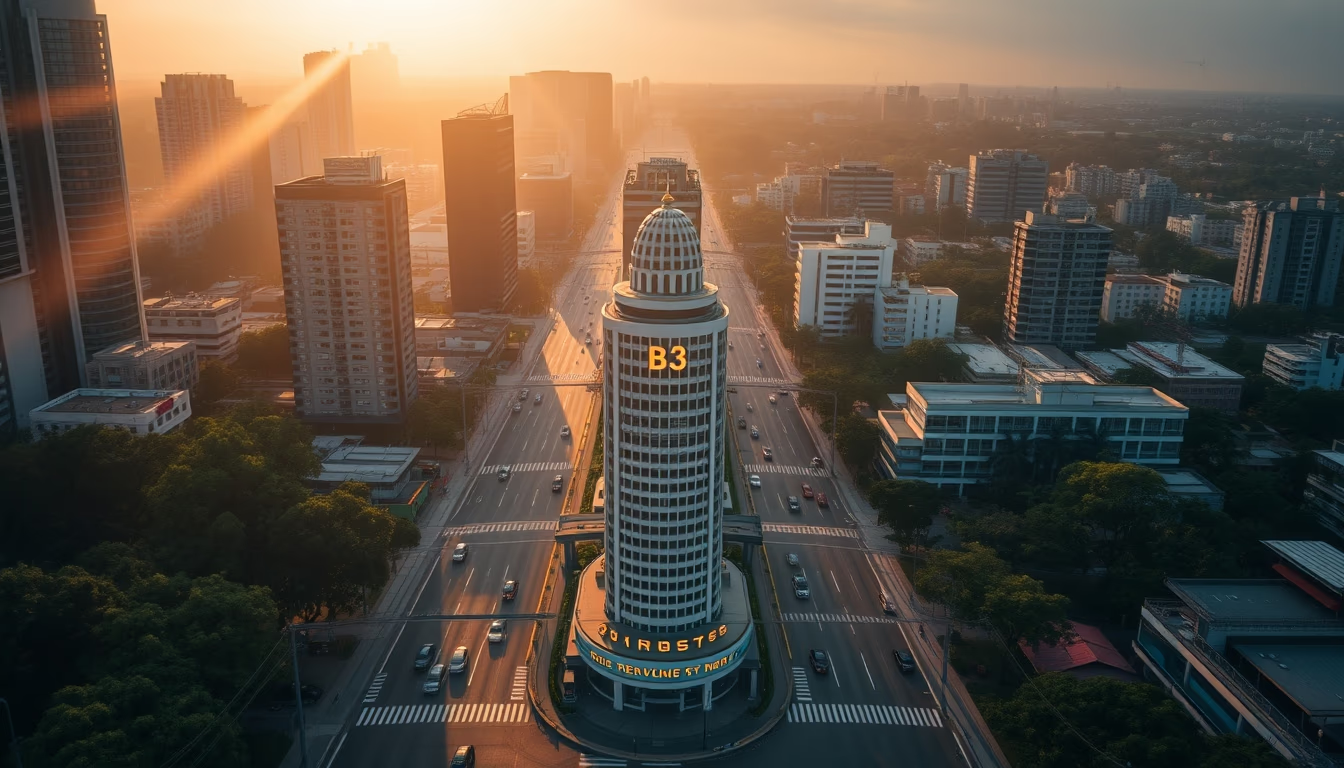 Aerial view of São Paulo financial district at golden hour with B3 building
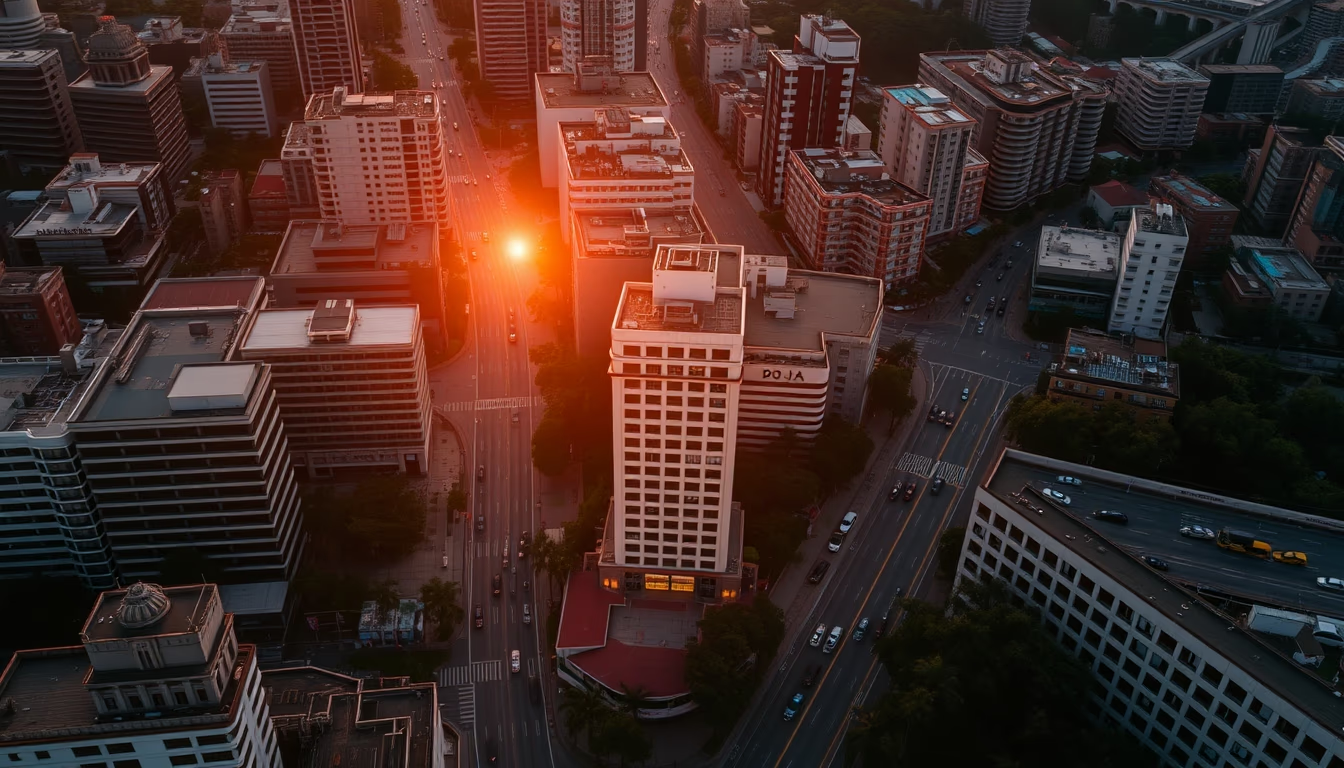 Aerial view of São Paulo financial district at golden hour with B3 building
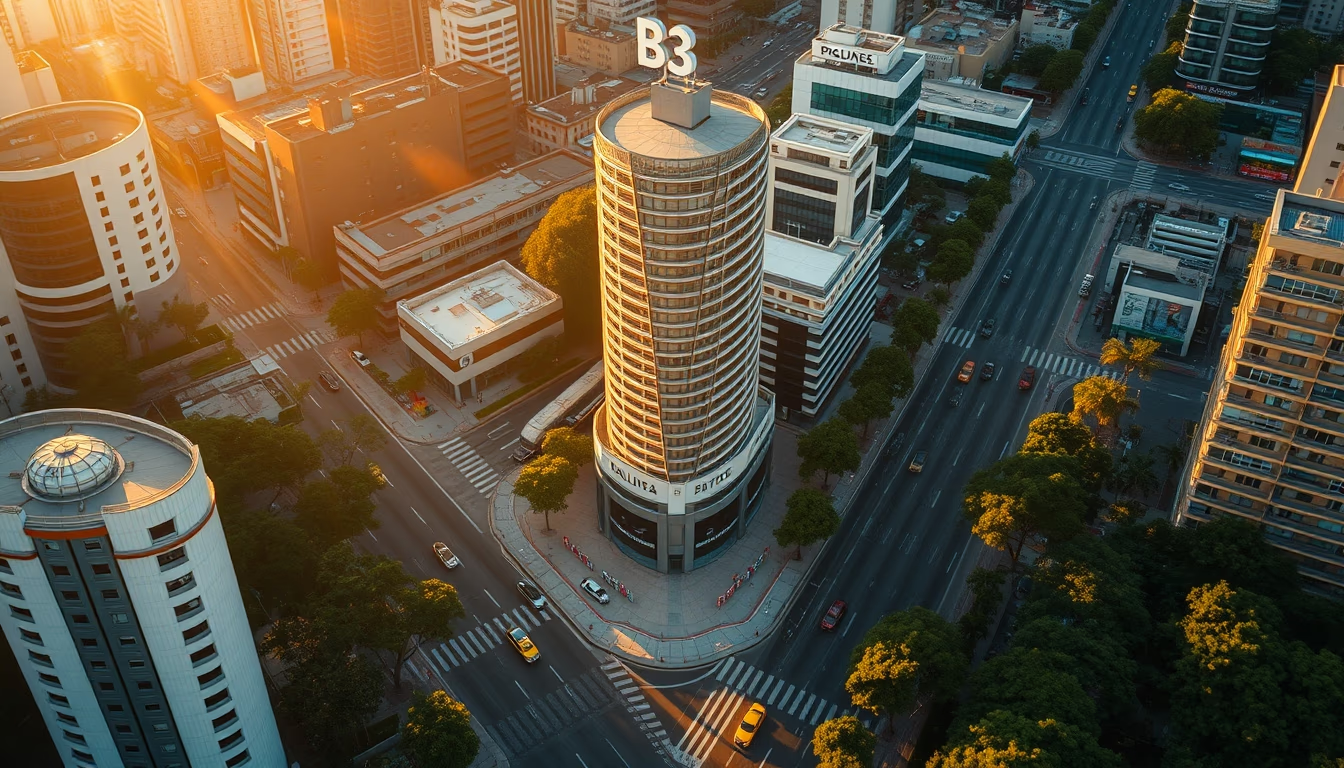 Aerial view of São Paulo financial district at golden hour with B3 building
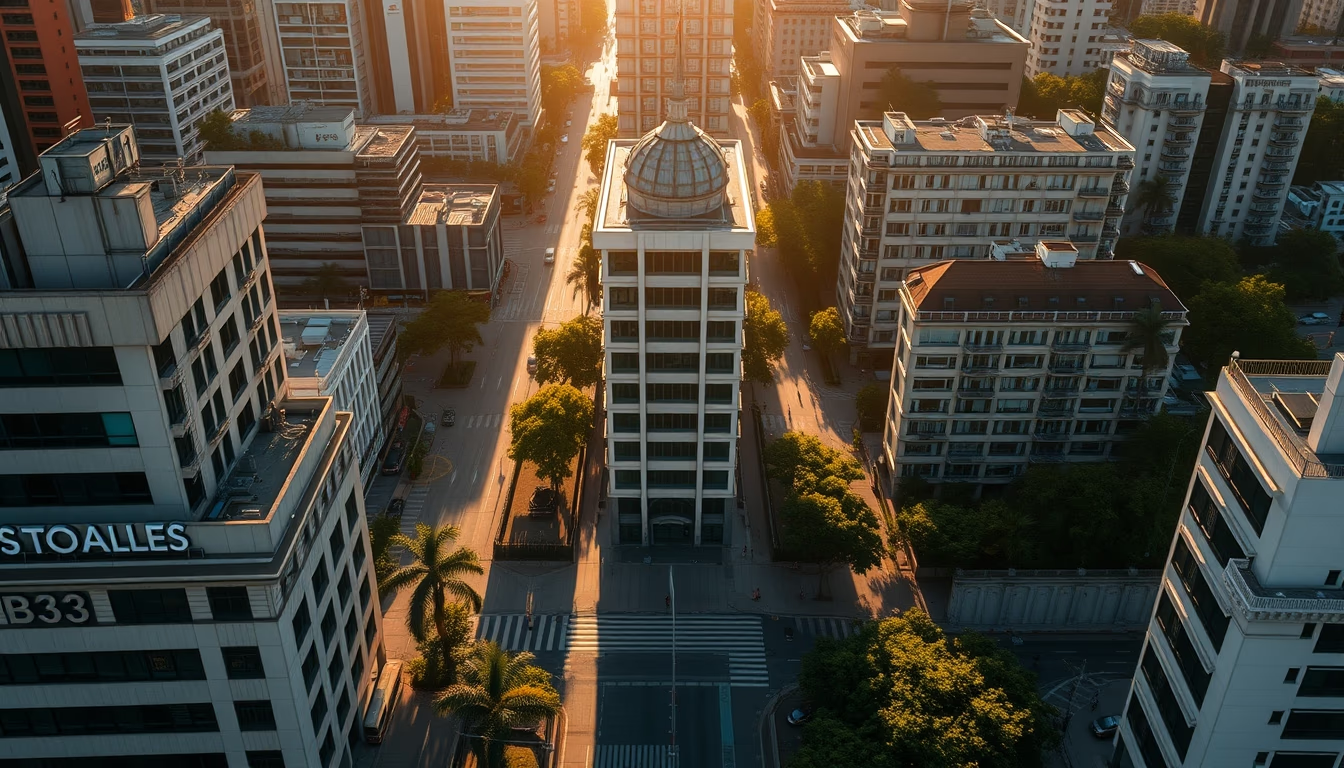 Aerial view of São Paulo financial district at golden hour with B3 building
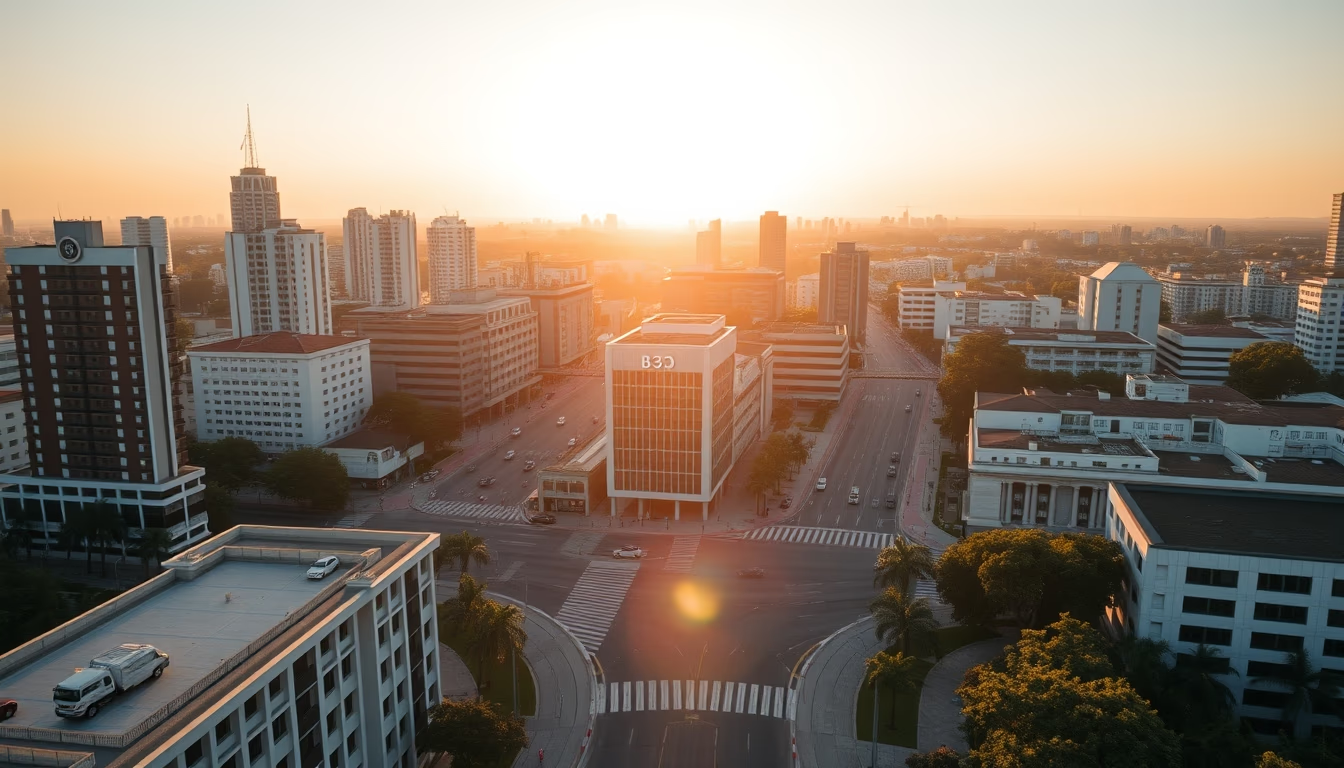 Aerial view of São Paulo financial district at golden hour with B3 building
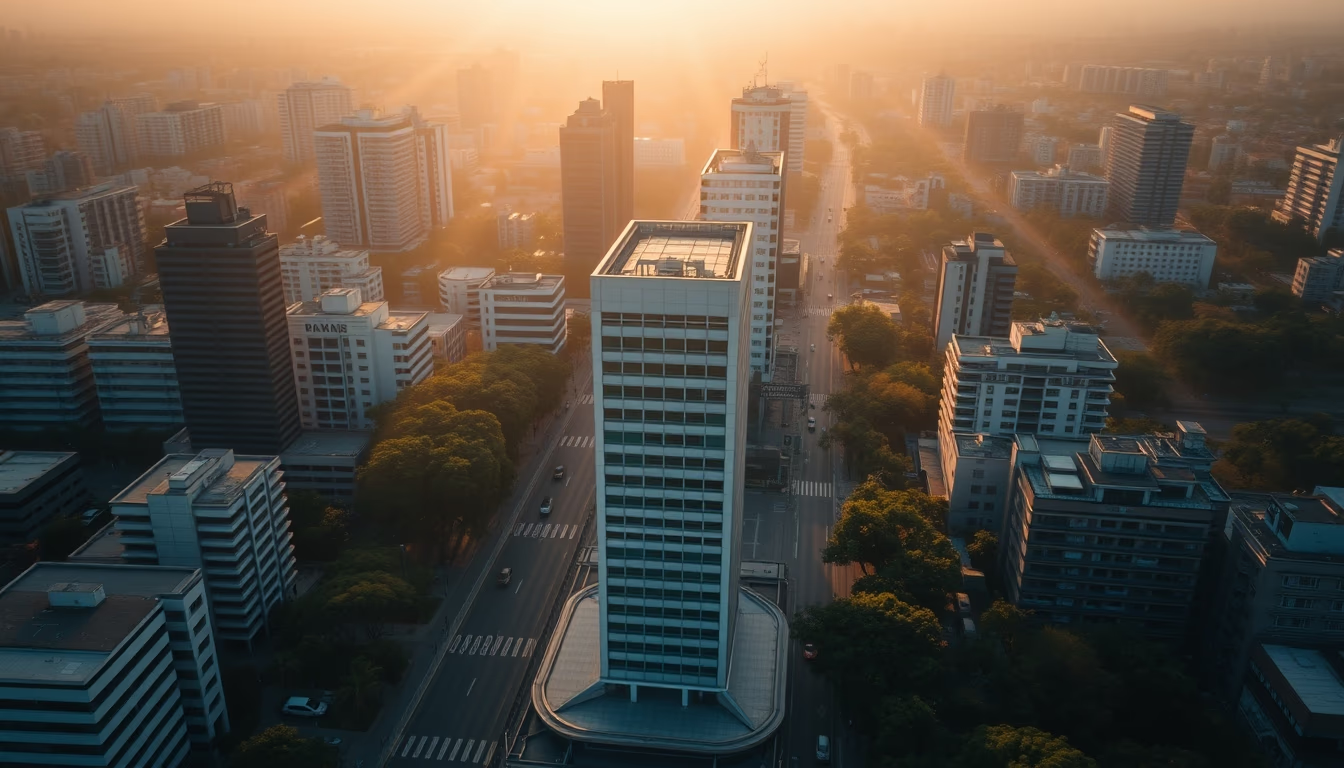 Aerial view of São Paulo financial district at golden hour with B3 building