Hand counting Brazilian Real on a wooden desk with calculator
1344×768 · AVIF · CC BY 4.0
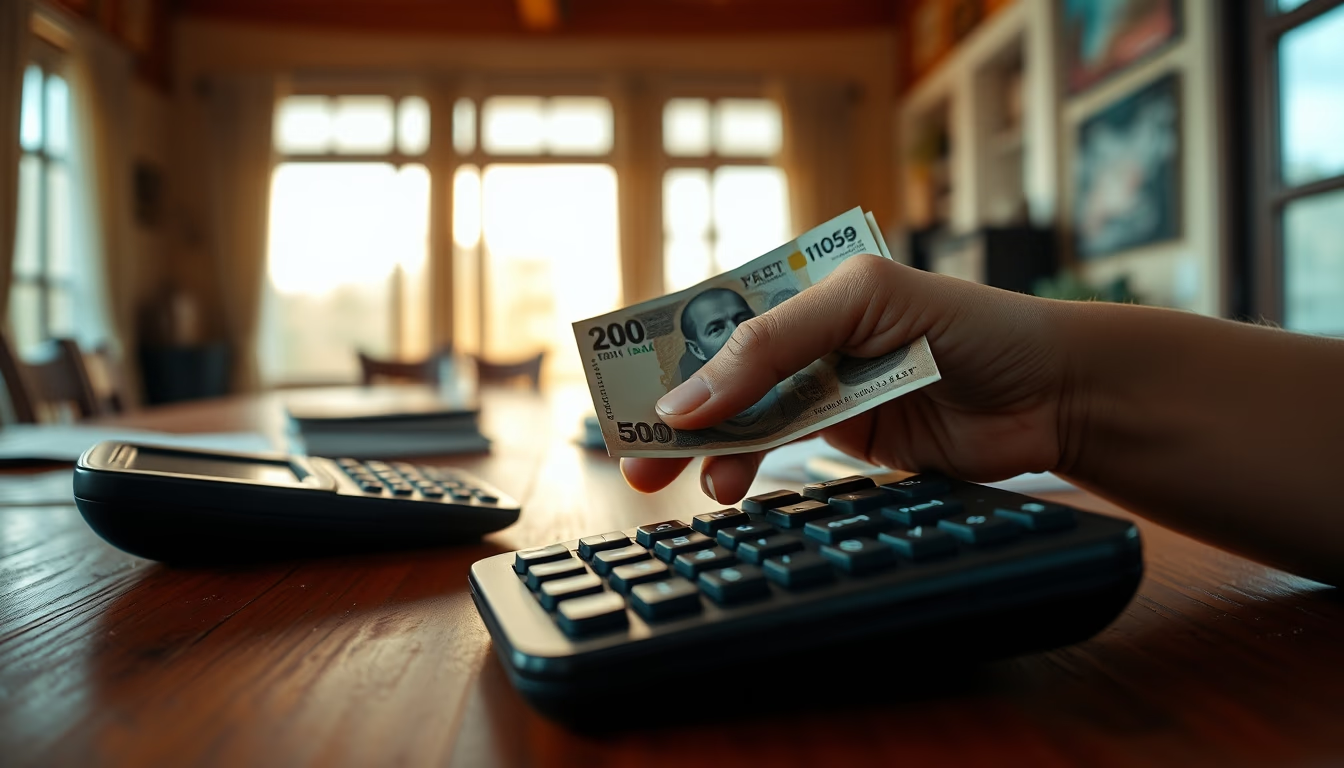
Hand counting Brazilian Real banknotes on a wooden desk with a calculator, depicting personal finance and household budgeting.
About this subject
The Brazilian Real, official currency of Brazil since 1994, is one of the most important economies in Latin America. The scene depicts the manual counting of banknotes, a common practice in small businesses, street markets, and the daily life of many Brazilians who prefer physical cash for expense control. The calculator nearby suggests the need to verify amounts, especially in transactions involving change or fractional payments. The wooden desk environment evokes a home office or a simple establishment where financial organization is done manually. Brazilian banknotes feature security elements such as watermarks and tactile relief, with common denominations of R$ 2, R$ 5, R$ 10, R$ 20, R$ 50, and R$ 100. Although prone to errors, manual counting is still widely used due to trust in direct handling of money. This practice contrasts with the rise of digital payments but remains relevant in areas with limited access to banks or the internet. Counting banknotes is also linked to financial education, teaching concepts of value and budgeting from an early age.
Frequently Asked Questions
Why do many people still count money manually in Brazil?
Manual counting is common in small businesses and street markets, where trust in direct handling of cash is high. It is also practiced in regions with limited access to banking services or the internet, and it remains a cultural habit for financial control.
What are the most used Brazilian Real banknotes?
The most common banknotes are R$ 2, R$ 5, R$ 10, R$ 20, R$ 50, and R$ 100. Each has distinct colors and security features such as watermarks and tactile relief to aid identification.
Is the use of physical cash declining in Brazil?
Yes, the use of physical cash is declining with the rise of digital payments like Pix and cards. However, paper money remains essential for informal transactions and in areas with limited digital infrastructure.
Direct URL
https://pub-c7d6a6ea828543ac903a74a341ccb2e1.r2.dev/imagens/hand-counting-brazilian-real-on-a-wooden-desk-with-calculator-editorial-overcast-daytime-2.avifHow to credit
Include a visible link back to UtilizAí. Copy one of the snippets below:
<a href="https://xn--utiliza-eza.com/en/midia/imagens/hand-counting-brazilian-real-on-a-wooden-desk-with-calculator-editorial-overcast-daytime-2">Hand counting Brazilian Real on a wooden desk with calculator</a> by <a href="https://xn--utiliza-eza.com">UtilizAí</a>, licensed under <a href="https://creativecommons.org/licenses/by/4.0/">CC BY 4.0</a>.
[Hand counting Brazilian Real on a wooden desk with calculator](https://xn--utiliza-eza.com/en/midia/imagens/hand-counting-brazilian-real-on-a-wooden-desk-with-calculator-editorial-overcast-daytime-2) by [UtilizAí](https://xn--utiliza-eza.com), CC BY 4.0
License: CC-BY-4.0
Tags
Related images
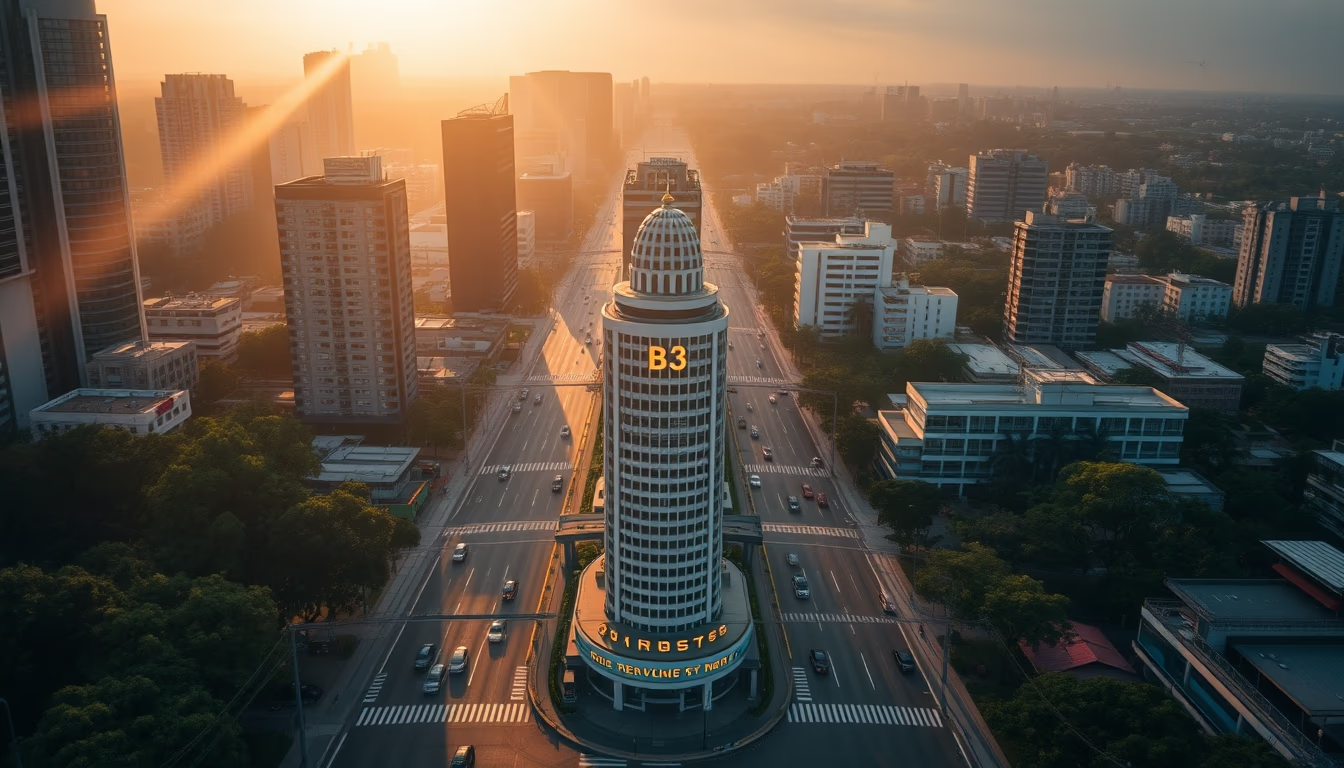 Aerial view of São Paulo financial district at golden hour with B3 building
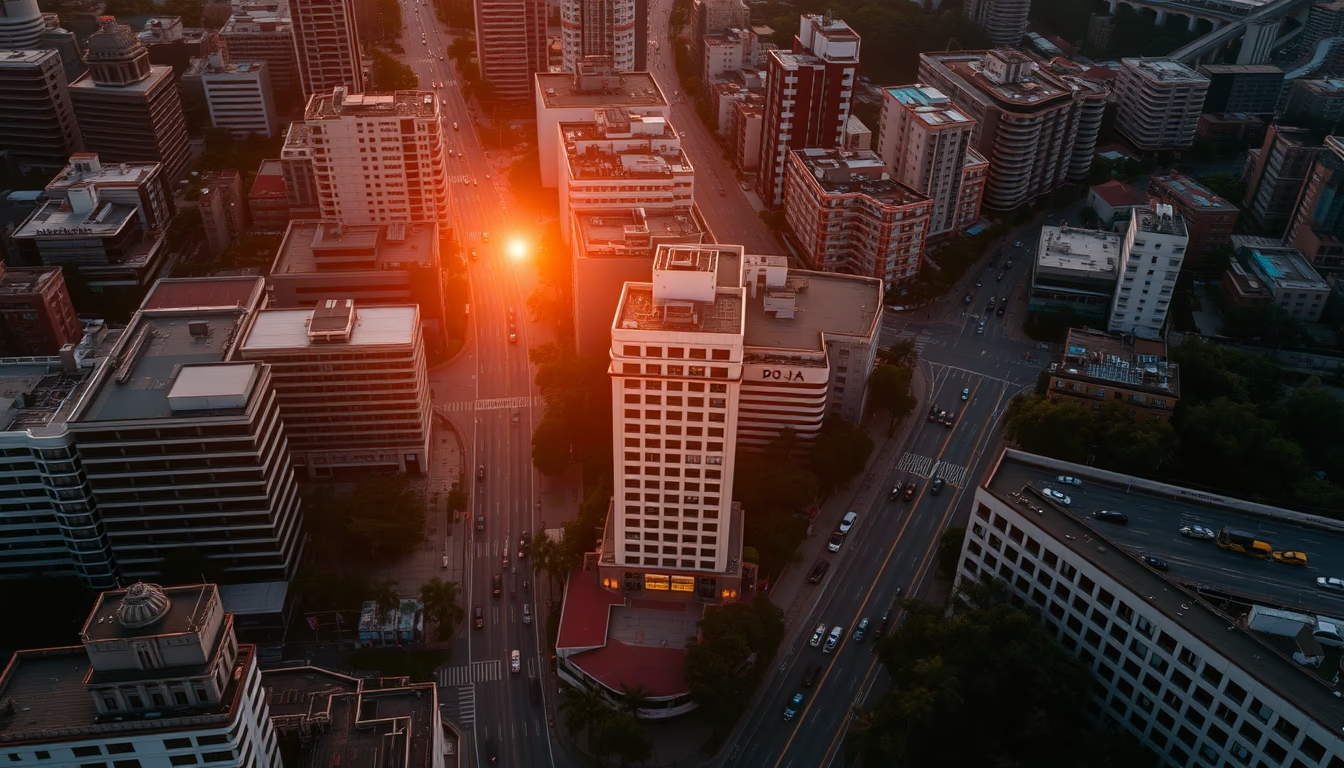 Aerial view of São Paulo financial district at golden hour with B3 building
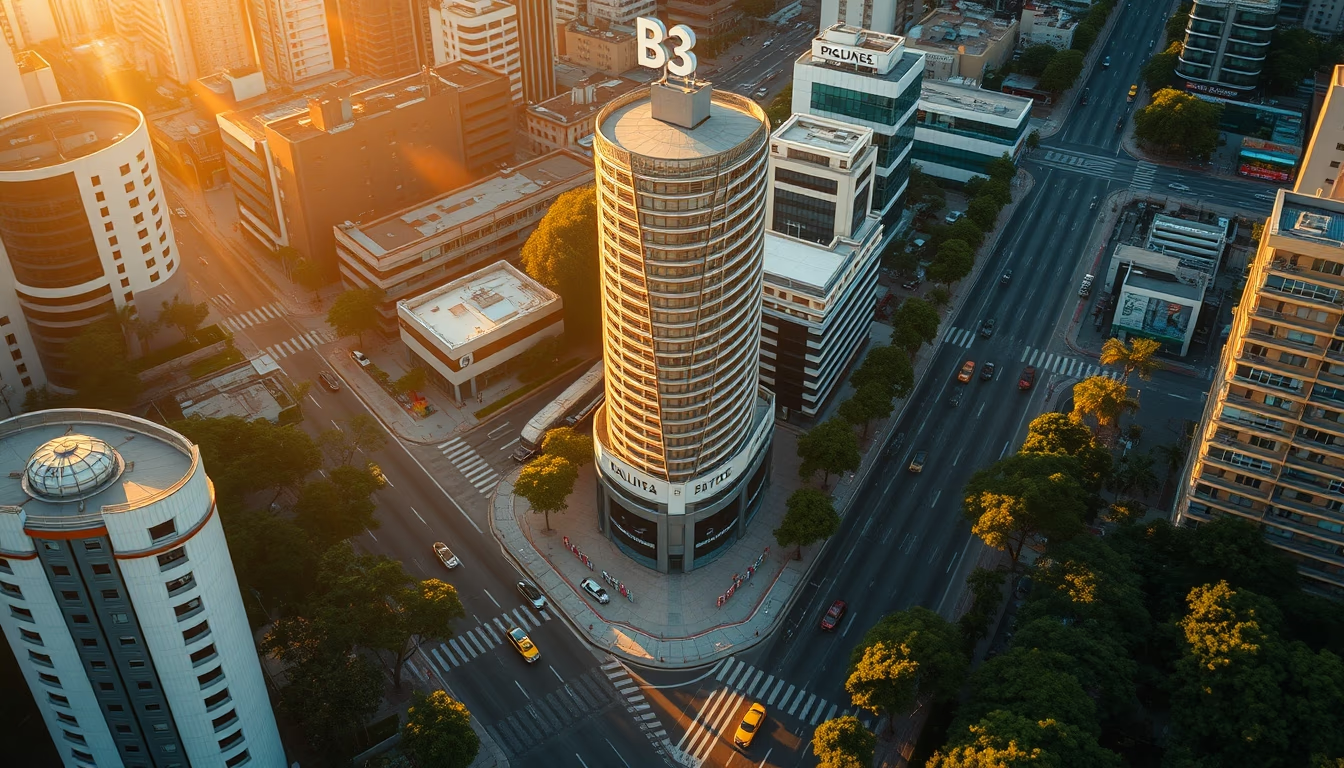 Aerial view of São Paulo financial district at golden hour with B3 building
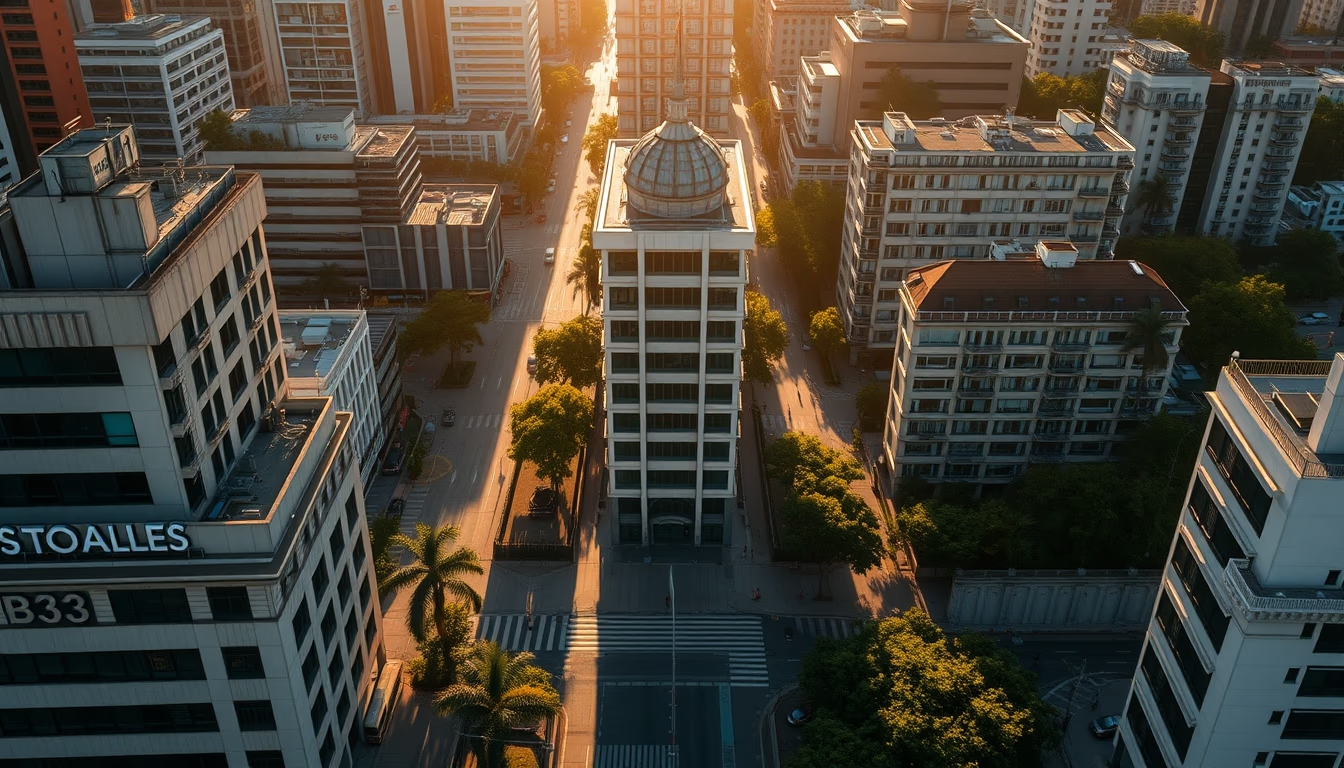 Aerial view of São Paulo financial district at golden hour with B3 building
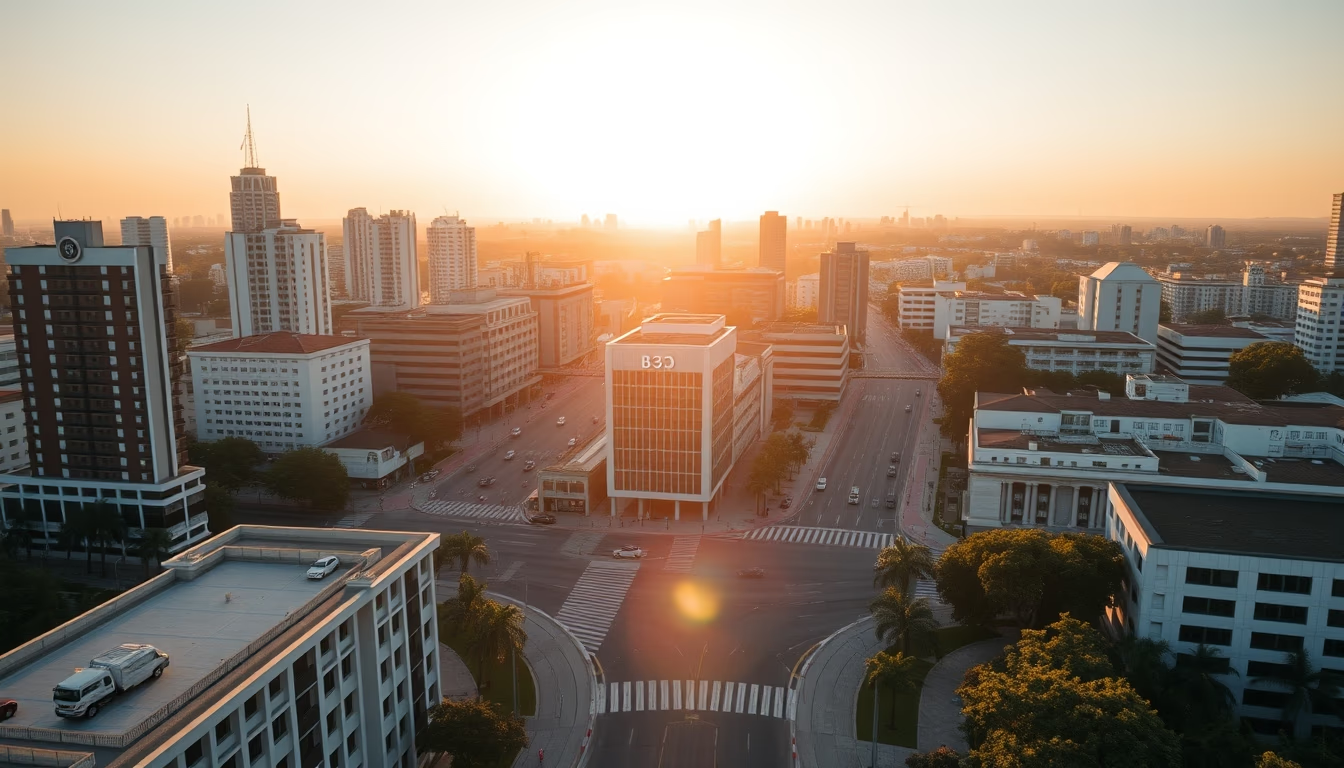 Aerial view of São Paulo financial district at golden hour with B3 building
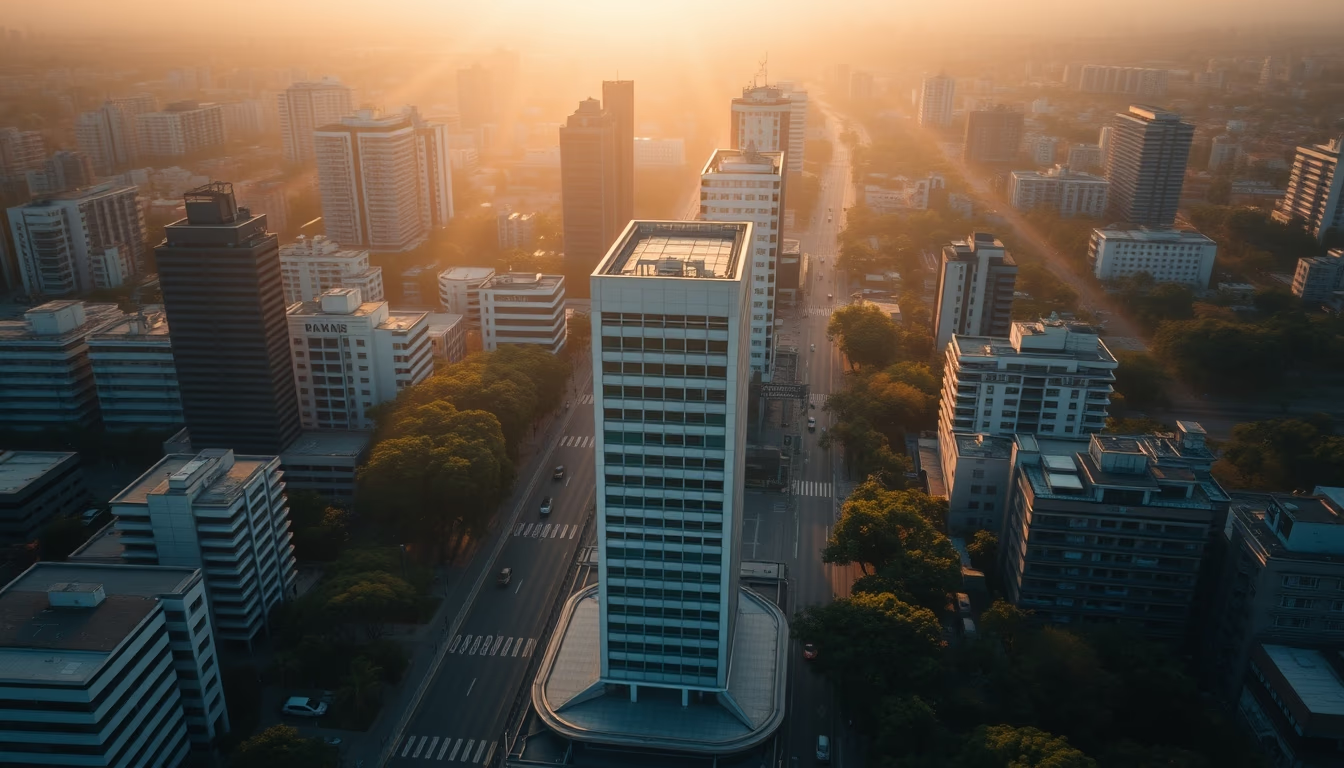 Aerial view of São Paulo financial district at golden hour with B3 building