Hand carved chest cedar
1344×768 · AVIF · CC BY 4.0
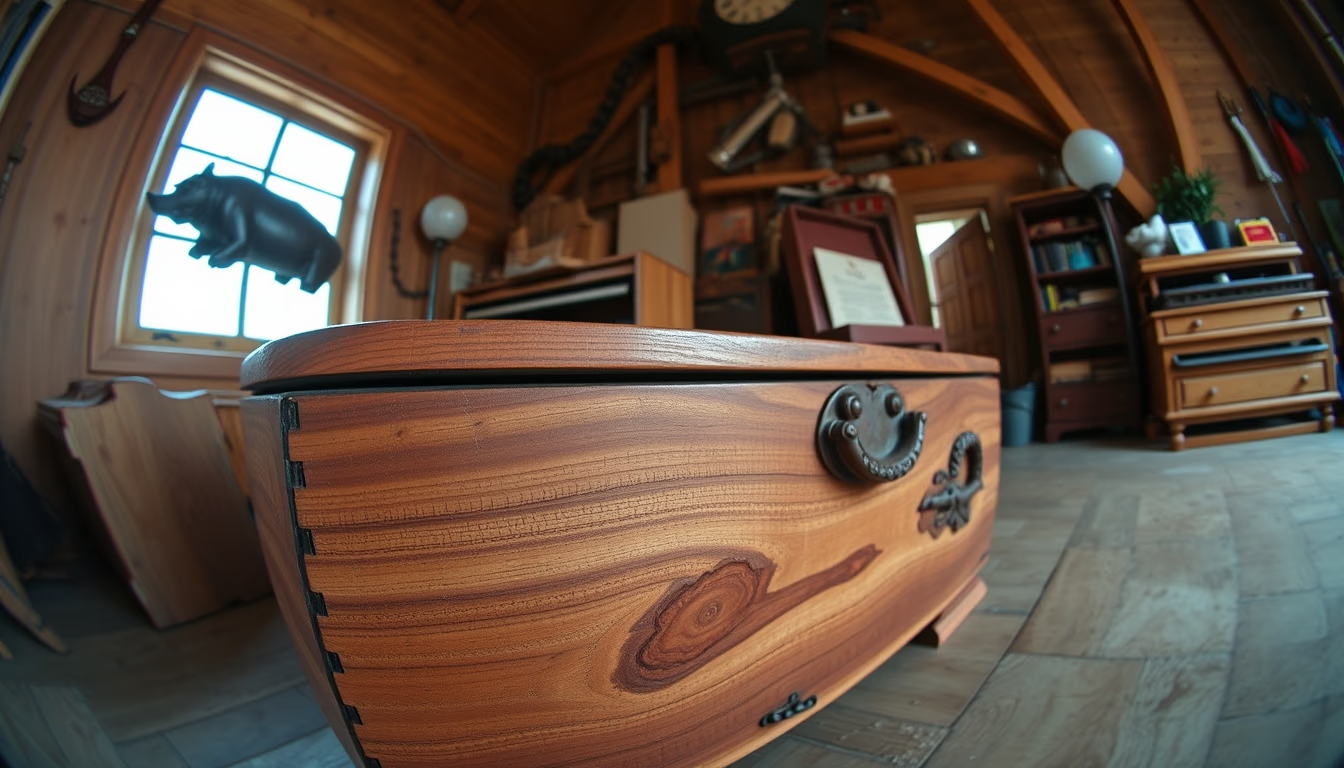
Hand-carved cedar chest, a piece of furniture that combines functionality and art, traditionally used to store precious items.
About this subject
The hand-carved cedar chest represents a centuries-old tradition of artisanal woodworking. Cedar, specifically Cedrela fissilis (Brazilian cedar) or similar species, is a noble wood prized for its natural resistance to termites and fungi, as well as its characteristic aroma that repels moths and other insects. This property made cedar chests ideal for storing clothes, documents, and valuables for centuries, especially in tropical regions like Brazil.
The manual carving technique, or woodcarving, requires years of practice and knowledge of wood grain. Each chest can take weeks or months to complete, depending on the complexity of the motifs, ranging from floral and arabesque patterns to religious or everyday scenes. In Brazil, this art flourished during the colonial period, influenced by Baroque and Rococo styles, but also incorporated indigenous and African elements. Today, master carvers keep this tradition alive, especially in regions like Minas Gerais and the Northeast.
Beyond its practical function, the hand-carved cedar chest is a decorative and collectible object. Antique pieces can fetch high prices at auctions, valued for their history and uniqueness. Proper care includes avoiding direct sunlight and excessive humidity, as well as periodically applying natural wax to enhance the wood grain. Each chest carries a narrative of the carver and its owners.
Frequently Asked Questions
Why is cedar used for making chests?
Cedar is resistant to termites and fungi, and its aroma repels moths, protecting clothes and documents. It is also an easy wood to carve, allowing for elaborate details.
How to identify a hand-carved chest?
Look for irregularity in the carvings, varying depth, and lack of exact repetition of designs. Handmade pieces often show tool marks and subtle imperfections that differentiate them from industrial work.
What is the origin of hand-carved cedar chests?
Hand-carved cedar chests originated in medieval Europe but were widely adapted in colonial Brazil. The tradition developed with indigenous, African, and European influences, resulting in unique styles.
Direct URL
https://pub-c7d6a6ea828543ac903a74a341ccb2e1.r2.dev/imagens/hand-carved-chest-cedar-fish-eye-wide-angle-fresh14.avifHow to credit
Include a visible link back to UtilizAí. Copy one of the snippets below:
<a href="https://xn--utiliza-eza.com/en/midia/imagens/hand-carved-chest-cedar-fish-eye-wide-angle-fresh14">Hand carved chest cedar</a> by <a href="https://xn--utiliza-eza.com">UtilizAí</a>, licensed under <a href="https://creativecommons.org/licenses/by/4.0/">CC BY 4.0</a>.
[Hand carved chest cedar](https://xn--utiliza-eza.com/en/midia/imagens/hand-carved-chest-cedar-fish-eye-wide-angle-fresh14) by [UtilizAí](https://xn--utiliza-eza.com), CC BY 4.0
License: CC-BY-4.0