Hand carved chest cedar
1344×768 · AVIF · CC BY 4.0
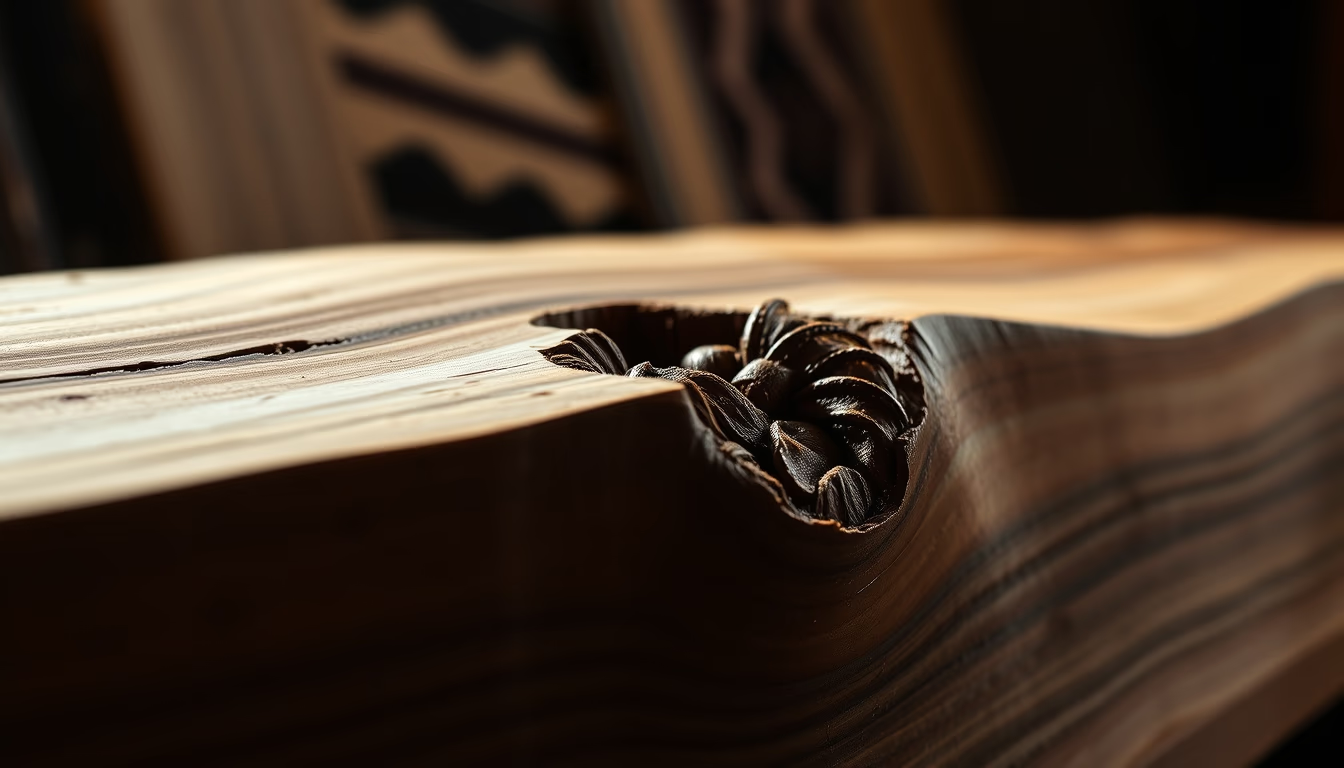
Hand-carved cedar chest: Brazilian artisanal tradition combining functionality and art in a unique piece.
About this subject
The hand-carved cedar chest represents a centuries-old tradition of fine woodworking, especially appreciated in Brazil where cedar wood is abundant and valued for its properties. Brazilian cedar (Cedrela fissilis), native to the Atlantic Forest and the Amazon, is known for its termite resistance, lightness, and characteristic aroma that repels moths and preserves fabrics and documents stored inside. Manual carving, a technique requiring years of practice, allows the creation of ornamental reliefs such as rosettes, arabesques, and scenes of Brazilian wildlife, like toucans and jaguars.
Historically, cedar chests were essential items in the trousseau of Brazilian brides from the 19th century to the mid-20th century. They served to store bed, table, and bath linens, as well as documents and valuables. Each piece was made to order and could take weeks or months to complete, depending on the complexity of the carving. Today, these pieces are highly collectible and can be found in antique shops and craft fairs, especially in the South and Southeast regions.
The carving technique on cedar wood requires specific tools such as gouges and chisels of various sizes. The artisan first draws the motif on the lid or sides, then carves in low or high relief. Cedar wood is relatively soft, making it easier to work with, but requires precision to avoid splintering. After carving, the piece is finished with natural wax or matte varnish to enhance the grain and protect the surface. Many antique chests still preserve manufacturer labels or owner marks, telling family stories.
Curiosity: Cedar used in noble chests usually undergoes slow drying for two to five years to prevent cracks and warping. In Brazil, the National Institute of Historic and Artistic Heritage (Iphan) recognizes wood carving as intangible heritage in some communities, such as the artisans of Passa Tempo (MG) and native forests. The demand for sustainable furniture has renewed interest in these pieces, which combine timeless design, functionality, and ecological value, provided the wood comes from certified management.
Frequently Asked Questions
What is the difference between cedar and other woods used in chests?
Cedar is lighter, termite-resistant, and has an aroma that repels moths, unlike pine or eucalyptus. It is also easier to carve and has striking grain, making it preferred for ornamental pieces.
How to identify an authentic hand-carved cedar chest?
Look for tool marks on the carving, which are usually irregular and smooth, without perfectly symmetrical cuts. The characteristic cedar smell, continuous grain, and light weight are also indicators. Antique chests may have manufacturer labels or ownership marks.
What is the best way to preserve an antique cedar chest?
Keep it in a dry place away from direct sunlight and heat sources. Apply beeswax or linseed oil every six months to moisturize the wood. Avoid harsh chemicals. If infestations occur, consult a specialized restorer.
Direct URL
https://pub-c7d6a6ea828543ac903a74a341ccb2e1.r2.dev/imagens/hand-carved-chest-cedar-fine-art-photography-fresh3.avifHow to credit
Include a visible link back to UtilizAí. Copy one of the snippets below:
<a href="https://xn--utiliza-eza.com/en/midia/imagens/hand-carved-chest-cedar-fine-art-photography-fresh3">Hand carved chest cedar</a> by <a href="https://xn--utiliza-eza.com">UtilizAí</a>, licensed under <a href="https://creativecommons.org/licenses/by/4.0/">CC BY 4.0</a>.
[Hand carved chest cedar](https://xn--utiliza-eza.com/en/midia/imagens/hand-carved-chest-cedar-fine-art-photography-fresh3) by [UtilizAí](https://xn--utiliza-eza.com), CC BY 4.0
License: CC-BY-4.0