Hammer claw on wood
1344×768 · AVIF · CC BY 4.0
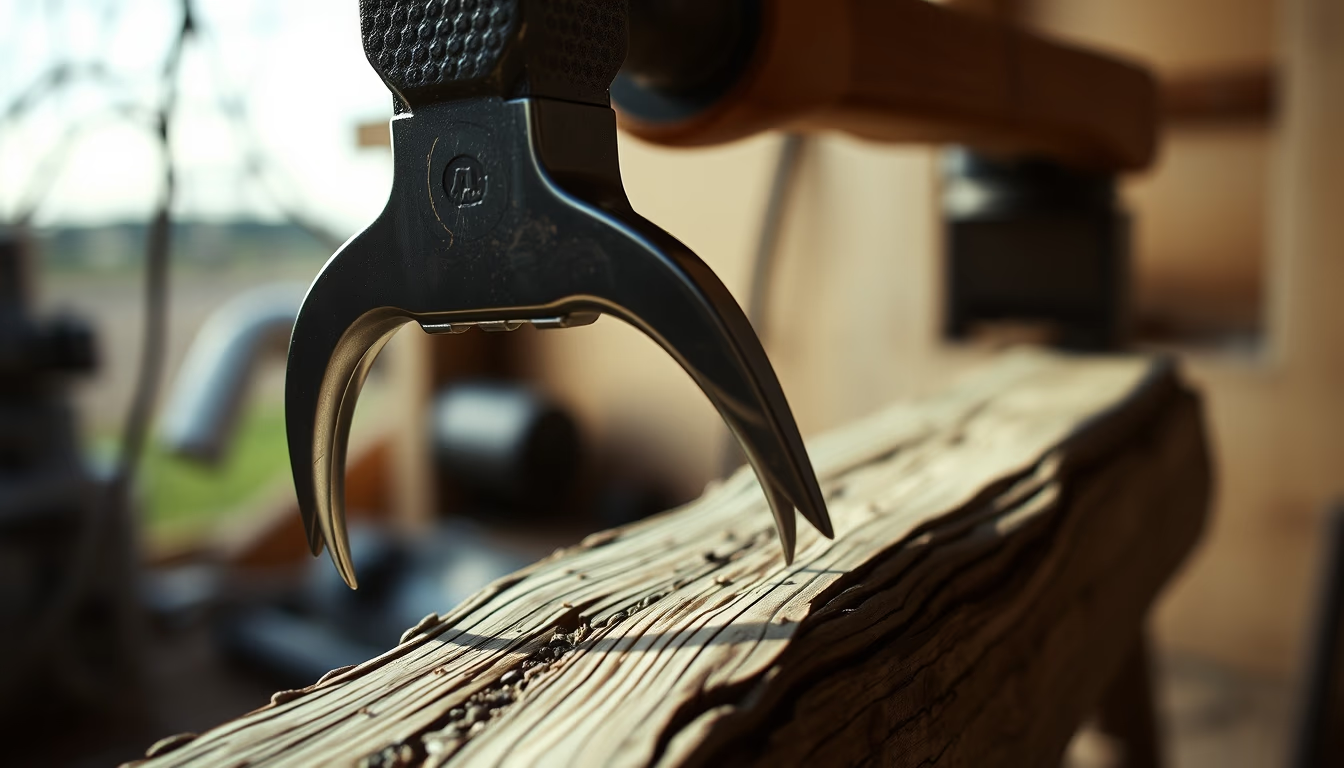
The claw hammer is a versatile tool used for driving and removing nails, with an iconic design that combines striking and lever functions.
About this subject
The claw hammer, also known as a carpenter's hammer, is one of the most recognizable and widely used hand tools globally. Its construction features a metal head with two distinct sides: a flat striking face for driving nails and a V-shaped split claw for pulling them out. The handle, traditionally made of wood, is now also crafted from fiberglass or steel with a rubber grip for shock absorption. The modern curved claw design emerged in 19th-century America, where blacksmiths began forging steel heads with a gentle curve, replacing the older straight-claw models. This curvature increases leverage, making nail removal easier and more efficient. Today, claw hammers come in various weights and sizes, with the 16-ounce version being standard for general household and construction tasks. Beyond nail extraction, the claw can be used for prying boards, breaking apart wooden crates, or even as a makeshift demolition tool. This versatility has made it a staple in toolboxes for over a century. The image, styled to resemble a lo-fi disposable camera shot, evokes a vintage aesthetic reminiscent of snapshots from the 1970s and 1980s. The grainy texture, slight vignetting, and natural lighting enhance the sense of authenticity and nostalgia, capturing the hammer in an everyday workshop or construction scene, stripped of modern polish and emphasizing honest, functional craftsmanship.
Frequently Asked Questions
What is the difference between a claw hammer and a ball-peen hammer?
A claw hammer has a split end for pulling nails, while a ball-peen hammer has a rounded head used mainly in metalworking for shaping metal. Claw hammers are more common in carpentry and construction.
How do I choose the right weight for a claw hammer?
For general home use, a 16-ounce hammer is balanced. For heavy tasks like demolition, choose 20 or 22 ounces. Longer handles provide more leverage but require more control.
What causes the grainy texture in lo-fi disposable camera photos?
The grain results from the high-sensitivity (ISO) film, combined with the simple lens and uncontrolled exposure of disposable cameras, creating a nostalgic, imperfect aesthetic.
Direct URL
https://pub-c7d6a6ea828543ac903a74a341ccb2e1.r2.dev/imagens/hammer-claw-on-wood-lo-fi-disposable-camera-p1.avifHow to credit
Include a visible link back to UtilizAí. Copy one of the snippets below:
<a href="https://xn--utiliza-eza.com/en/midia/imagens/hammer-claw-on-wood-lo-fi-disposable-camera-p1">Hammer claw on wood</a> by <a href="https://xn--utiliza-eza.com">UtilizAí</a>, licensed under <a href="https://creativecommons.org/licenses/by/4.0/">CC BY 4.0</a>.
[Hammer claw on wood](https://xn--utiliza-eza.com/en/midia/imagens/hammer-claw-on-wood-lo-fi-disposable-camera-p1) by [UtilizAí](https://xn--utiliza-eza.com), CC BY 4.0
License: CC-BY-4.0