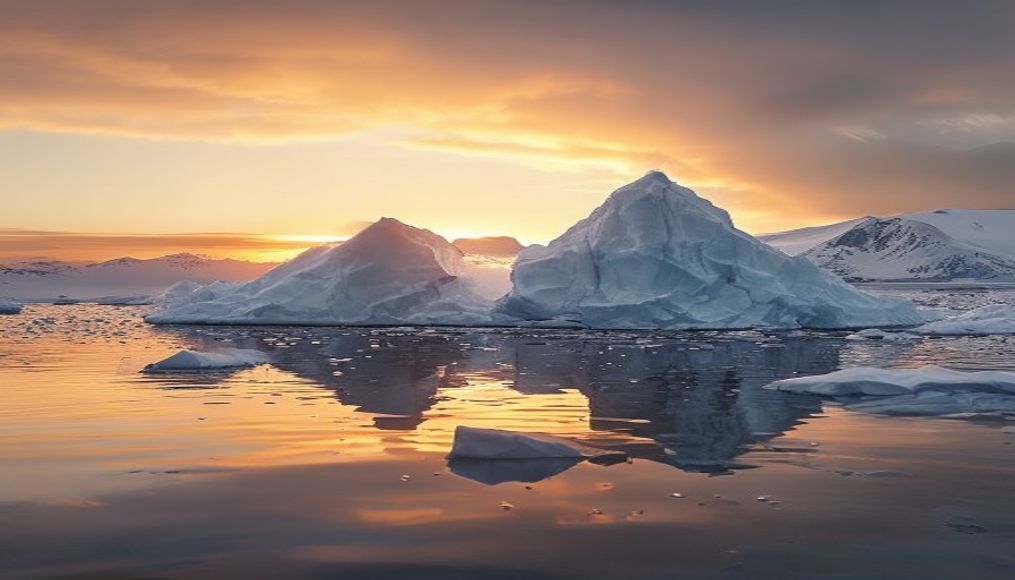
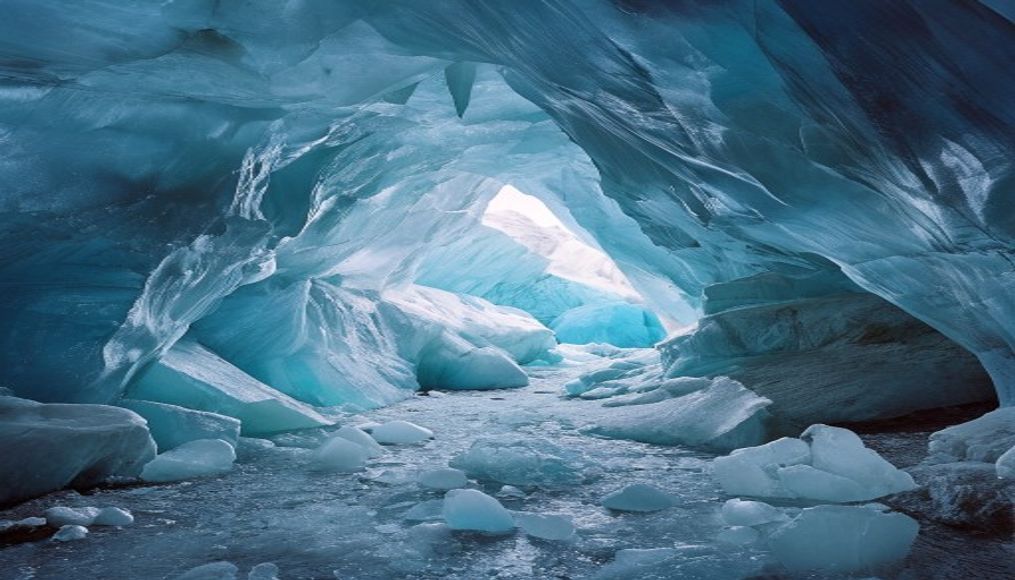
Greenland ice sheet aerial
1344×768 · AVIF · CC BY 4.0
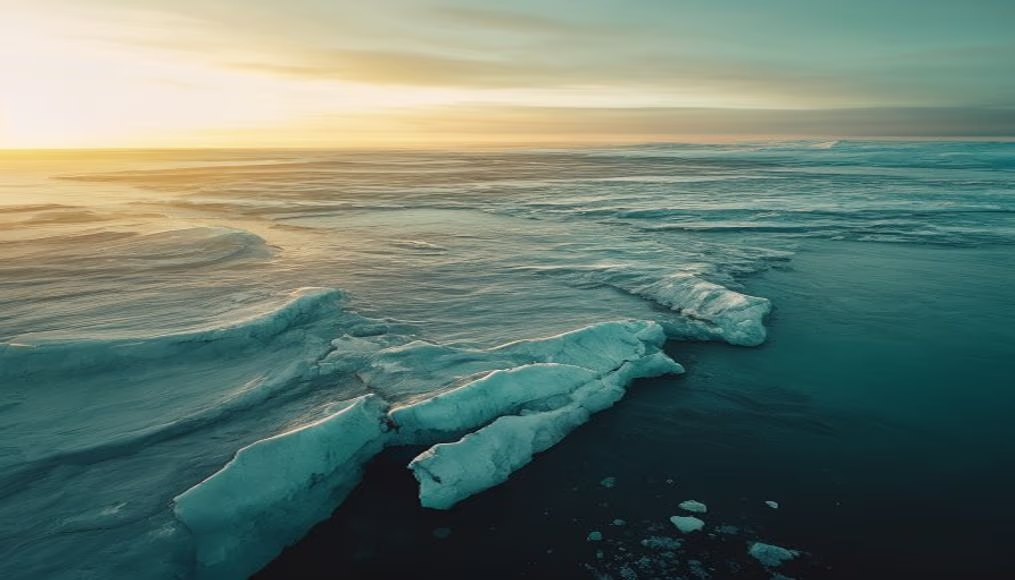
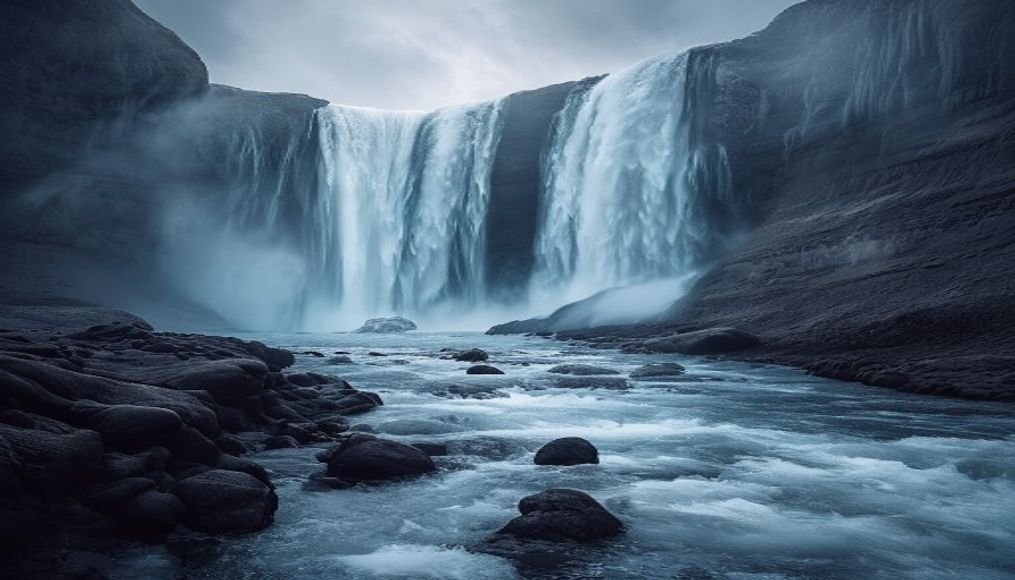
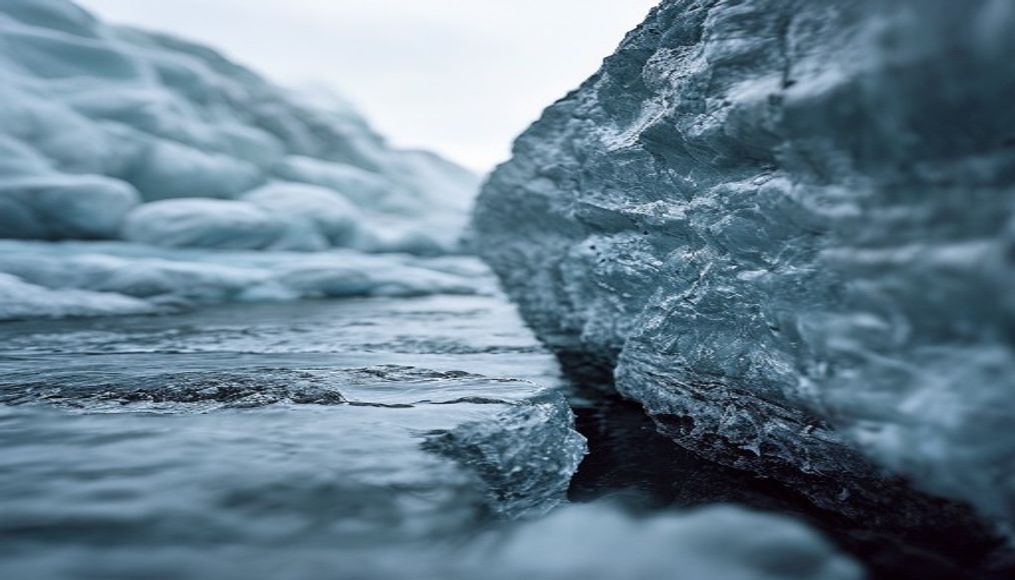
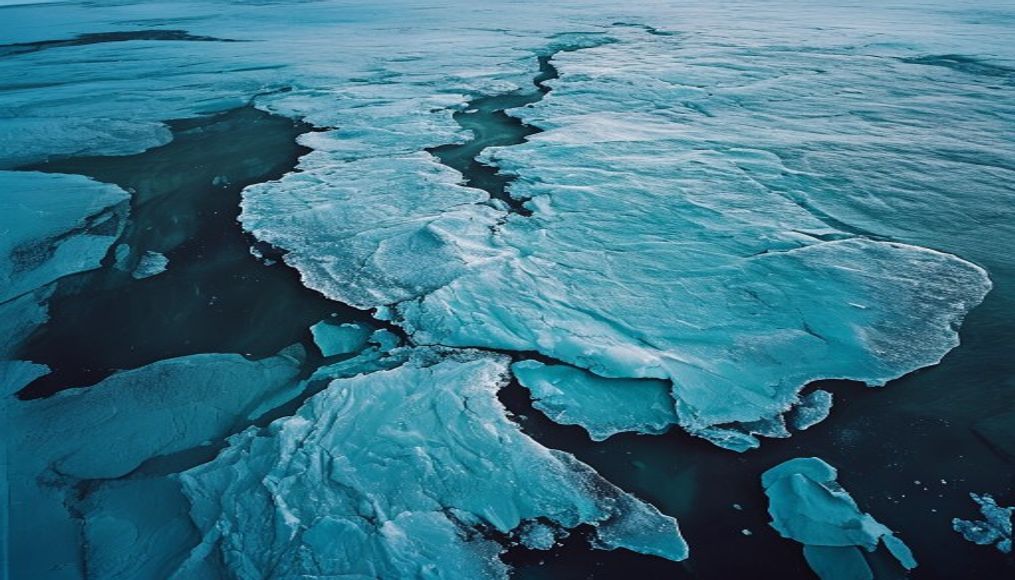
The Greenland ice sheet, the world's second largest ice body, is critical for global climate and sea level.
About this subject
The Greenland ice sheet (also called Indlandsis) covers approximately 1.7 million square kilometers, about 80% of the island's surface. At 2.6 million years old, it is one of the oldest continuous glacial formations on Earth, having accumulated snow and ice over multiple interglacial periods. Its total ice volume is estimated at 2.9 million cubic kilometers, enough to raise global sea levels by 7.4 meters if entirely melted.
The ice sheet's significance extends beyond its size. It acts as a natural climate archive: ice cores extracted from sites like the GRIP (Greenland Ice Core Project) reveal temperature and atmospheric composition variations over the past 125,000 years. This record helps scientists understand past climate cycles and calibrate models for future warming predictions.
In recent decades, mass loss from the ice sheet has accelerated dramatically. Studies by NASA and the Swedish Polar Institute show that between 1992 and 2020, Greenland lost over 3.8 trillion tons of ice, contributing about 10.6 millimeters to global sea level rise. The melting is driven by warming surface waters of the North Atlantic Ocean and warmer air over the region, especially during summer months.
Beyond sea level impact, Greenland's melt alters ocean circulation and regional climate patterns. Freshwater from melting reduces salinity in the North Atlantic, potentially weakening the thermohaline circulation (like the Gulf Stream). This could have consequences for Europe's and North America's climate. Monitoring the ice sheet is a priority for climatologists, who use satellites such as GRACE and ICESat-2 to measure changes in thickness and ice flow.
Frequently Asked Questions
What is the average thickness of the Greenland ice sheet?
The average thickness is about 1.6 km, with the thickest point reaching approximately 3.2 km at the center of the island.
Has Greenland lost ice in the past?
Yes, during previous interglacial periods like the Eemian (about 130,000 years ago), the ice sheet shrunk significantly. Currently, the loss is faster due to global warming.
How does Greenland's melt affect climate in South America?
Indirectly, freshwater inflow into the North Atlantic can alter ocean currents that influence the Intertropical Convergence Zone, affecting rainfall patterns in northeastern Brazil.
Direct URL
https://pub-c7d6a6ea828543ac903a74a341ccb2e1.r2.dev/imagens/greenland-ice-sheet-aerial-cinematic-wide-shot-p2.avifHow to credit
Include a visible link back to UtilizAí. Copy one of the snippets below:
<a href="https://xn--utiliza-eza.com/en/midia/imagens/greenland-ice-sheet-aerial-cinematic-wide-shot-p2">Greenland ice sheet aerial</a> by <a href="https://xn--utiliza-eza.com">UtilizAí</a>, licensed under <a href="https://creativecommons.org/licenses/by/4.0/">CC BY 4.0</a>.
[Greenland ice sheet aerial](https://xn--utiliza-eza.com/en/midia/imagens/greenland-ice-sheet-aerial-cinematic-wide-shot-p2) by [UtilizAí](https://xn--utiliza-eza.com), CC BY 4.0
License: CC-BY-4.0