Greenhouse interior plants
1344×768 · AVIF · CC BY 4.0
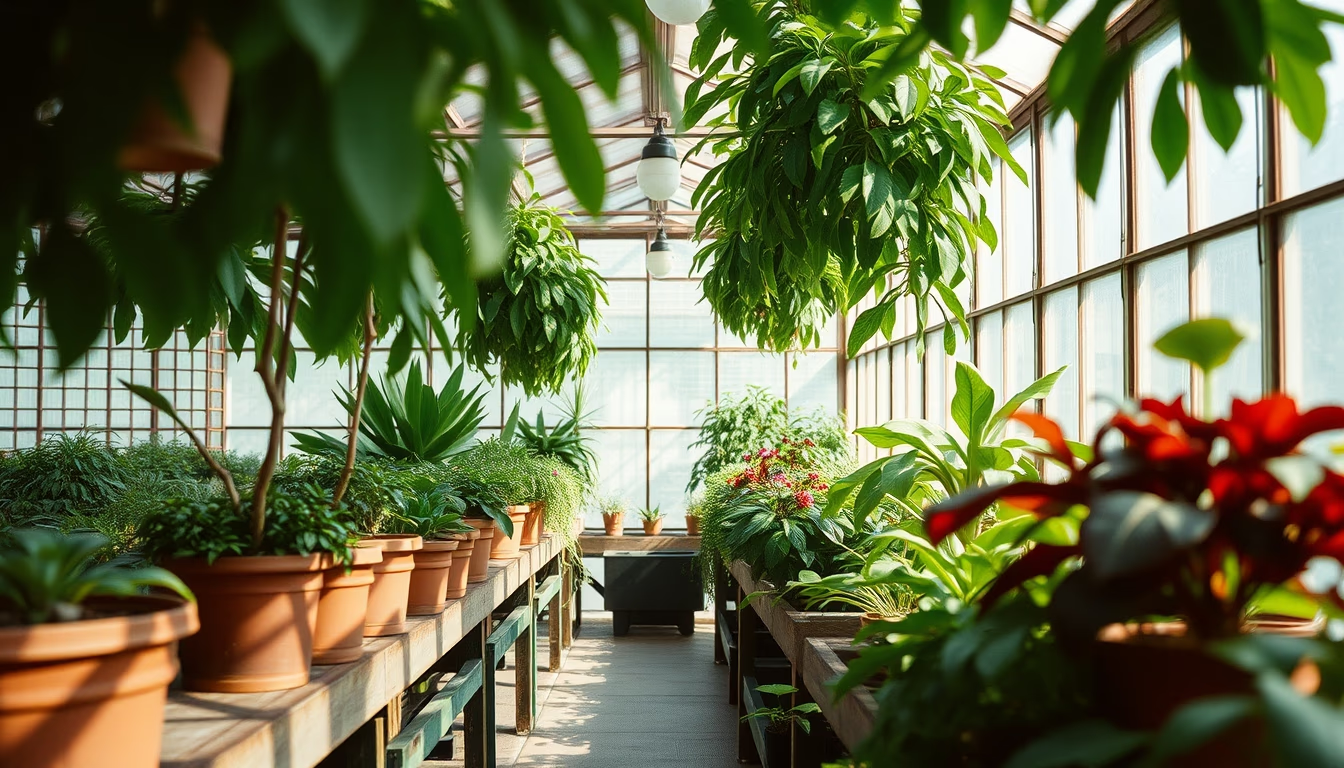
Agricultural greenhouses enable controlled plant cultivation, shielding crops from weather extremes and boosting production in challenging climates.
About this subject
A greenhouse is an enclosed structure, typically made of glass or transparent plastic, that creates a favorable microclimate for plant growth. This controlled environment regulates temperature, humidity, and light, enabling off-season cultivation and protection against pests, frost, and strong winds. The modern greenhouse concept dates back to 17th-century Europe, when botanical gardens began housing exotic species from colonies. Today, greenhouses are essential for precision agriculture, especially in countries like Brazil, where protected cultivation of vegetables, flowers, and fruit seedlings yields high productivity per square meter.
Plants in greenhouses benefit from automated irrigation systems, fertigation, and CO2 control. In Brazil, the technique is widely used for tomatoes, bell peppers, strawberries, and lettuce, reducing pesticide use by up to 60%. Greenhouses also contribute to water sustainability, as evapotranspired water can be reused in closed-loop systems. The choice of covering material (agricultural film, glass, or polyethylene) directly influences the light spectrum reaching leaves, affecting photosynthesis and fruit flavor.
Another key advantage is production traceability. In greenhouses, each batch can be monitored with sensors for pH, electrical conductivity, and solar radiation, generating data for certification of good agricultural practices. The trend for 2026 includes the use of artificial intelligence to predict diseases and optimize harvests, turning greenhouses into true food factories. Even in tropical regions like northeastern Brazil, protected cultivation is expanding to overcome heat stress and extend vegetable supply during dry periods.
Frequently Asked Questions
Which plants can be grown in greenhouses?
Common crops include tomatoes, bell peppers, lettuce, strawberries, ornamental flowers, and fruit seedlings. The choice depends on local climate and market demand.
What are the main challenges in greenhouse management?
Temperature and humidity control, prevention of fungal diseases, and investment in irrigation and ventilation systems are frequent challenges. Phytosanitary management requires constant monitoring.
Does a greenhouse reduce water consumption?
Yes, closed-loop systems reuse evaporated water, reducing consumption by up to 70% compared to open-field cultivation. Drip irrigation further optimizes water use.
Direct URL
https://pub-c7d6a6ea828543ac903a74a341ccb2e1.r2.dev/imagens/greenhouse-interior-plants-film-grain-authentic-p5.avifHow to credit
Include a visible link back to UtilizAí. Copy one of the snippets below:
<a href="https://xn--utiliza-eza.com/en/midia/imagens/greenhouse-interior-plants-film-grain-authentic-p5">Greenhouse interior plants</a> by <a href="https://xn--utiliza-eza.com">UtilizAí</a>, licensed under <a href="https://creativecommons.org/licenses/by/4.0/">CC BY 4.0</a>.
[Greenhouse interior plants](https://xn--utiliza-eza.com/en/midia/imagens/greenhouse-interior-plants-film-grain-authentic-p5) by [UtilizAí](https://xn--utiliza-eza.com), CC BY 4.0
License: CC-BY-4.0