Gothic cathedral stained glass
1344×768 · AVIF · CC BY 4.0
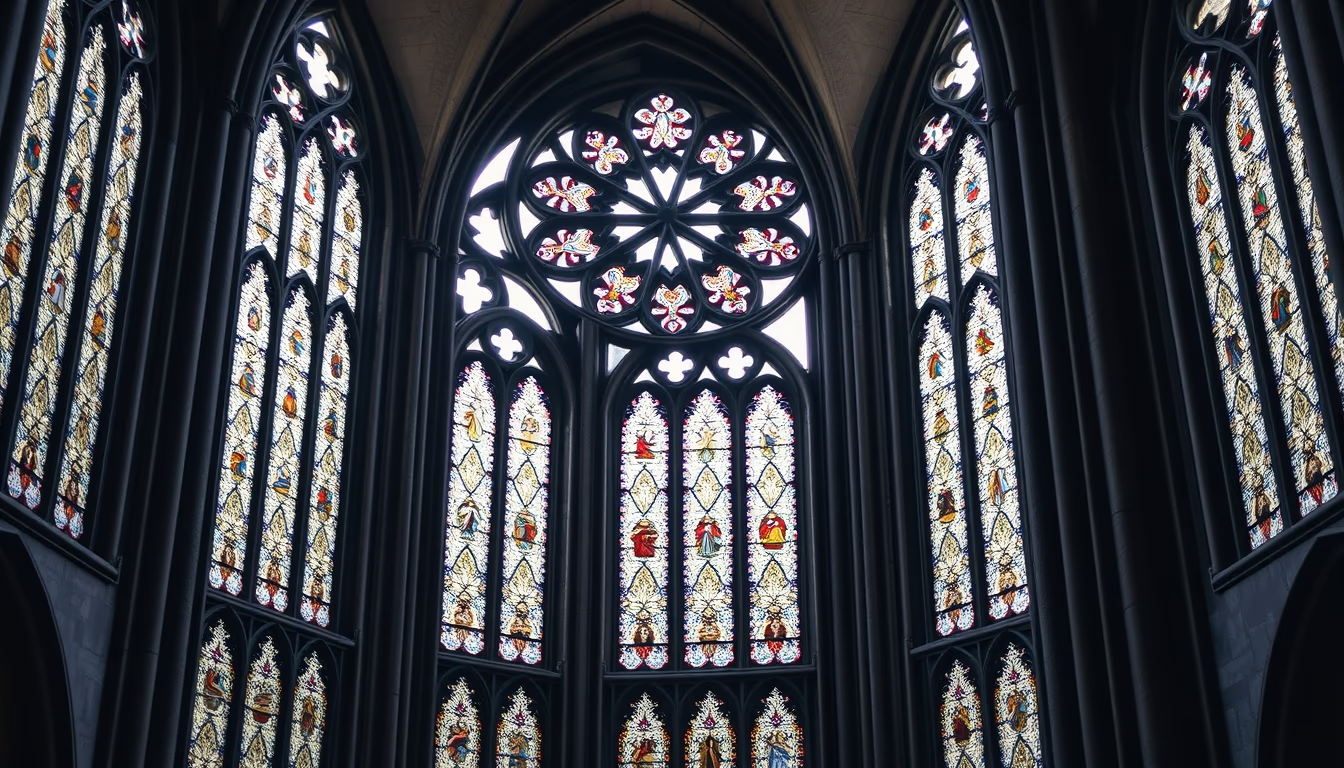
Gothic stained glass transforms natural light into biblical narratives and spiritual symbols, defining medieval European architecture.
About this subject
Gothic stained glass is one of the most striking elements of medieval architecture, especially in Gothic cathedrals from the 12th to the 16th centuries. Unlike Romanesque stained glass, which was smaller and thicker, Gothic examples took advantage of structural innovations like flying buttresses and piers to create large window openings, flooding interiors with colored light. These windows were not merely decorative; they served an educational role, illustrating biblical stories, saints' lives, and theological lessons for an largely illiterate population.
The manufacturing technique involved producing colored glass with metallic oxides (cobalt for blue, manganese for purple, iron for red) and joining pieces with lead strips. Artisans created complex compositions with scenes arranged in horizontal registers, often accompanied by Latin inscriptions. Notable examples include the rose windows of Chartres Cathedral (13th century) with their intense blues, and the windows of Sainte-Chapelle in Paris, which create a glass chapel effect.
The symbolism of light was central to medieval theology: light represented divine presence, and colors carried specific meanings. Blue symbolized heaven and the Virgin Mary, while red evoked Christ's blood. Scene arrangement followed liturgical principles, with holier subjects placed closer to the altar. Unfortunately, many stained glass panels were destroyed or damaged during wars and revolutions, but restoration efforts preserve the legacy of these masterpieces.
Frequently Asked Questions
How were Gothic stained glass windows made?
They were made from glass colored with metallic oxides, cut into small pieces, and joined with lead strips. Colors were achieved by adding cobalt (blue), manganese (purple), iron (red), or copper (green) to molten glass.
What was the main function of stained glass in Gothic cathedrals?
Beyond decoration, they served educational and symbolic purposes. They depicted biblical stories for illiterate worshippers, and colored light represented divine presence, creating a spiritual atmosphere.
Where are the most famous Gothic stained glass windows?
Notable examples include Chartres Cathedral (France) with its 13th-century blue windows, Sainte-Chapelle in Paris, and Notre-Dame Cathedral, whose rose window was restored after the 2019 fire.
Direct URL
https://pub-c7d6a6ea828543ac903a74a341ccb2e1.r2.dev/imagens/gothic-cathedral-stained-glass-minimalist-composition-p4.avifHow to credit
Include a visible link back to UtilizAí. Copy one of the snippets below:
<a href="https://xn--utiliza-eza.com/en/midia/imagens/gothic-cathedral-stained-glass-minimalist-composition-p4">Gothic cathedral stained glass</a> by <a href="https://xn--utiliza-eza.com">UtilizAí</a>, licensed under <a href="https://creativecommons.org/licenses/by/4.0/">CC BY 4.0</a>.
[Gothic cathedral stained glass](https://xn--utiliza-eza.com/en/midia/imagens/gothic-cathedral-stained-glass-minimalist-composition-p4) by [UtilizAí](https://xn--utiliza-eza.com), CC BY 4.0
License: CC-BY-4.0