Glass blowing furnace
1344×768 · AVIF · CC BY 4.0
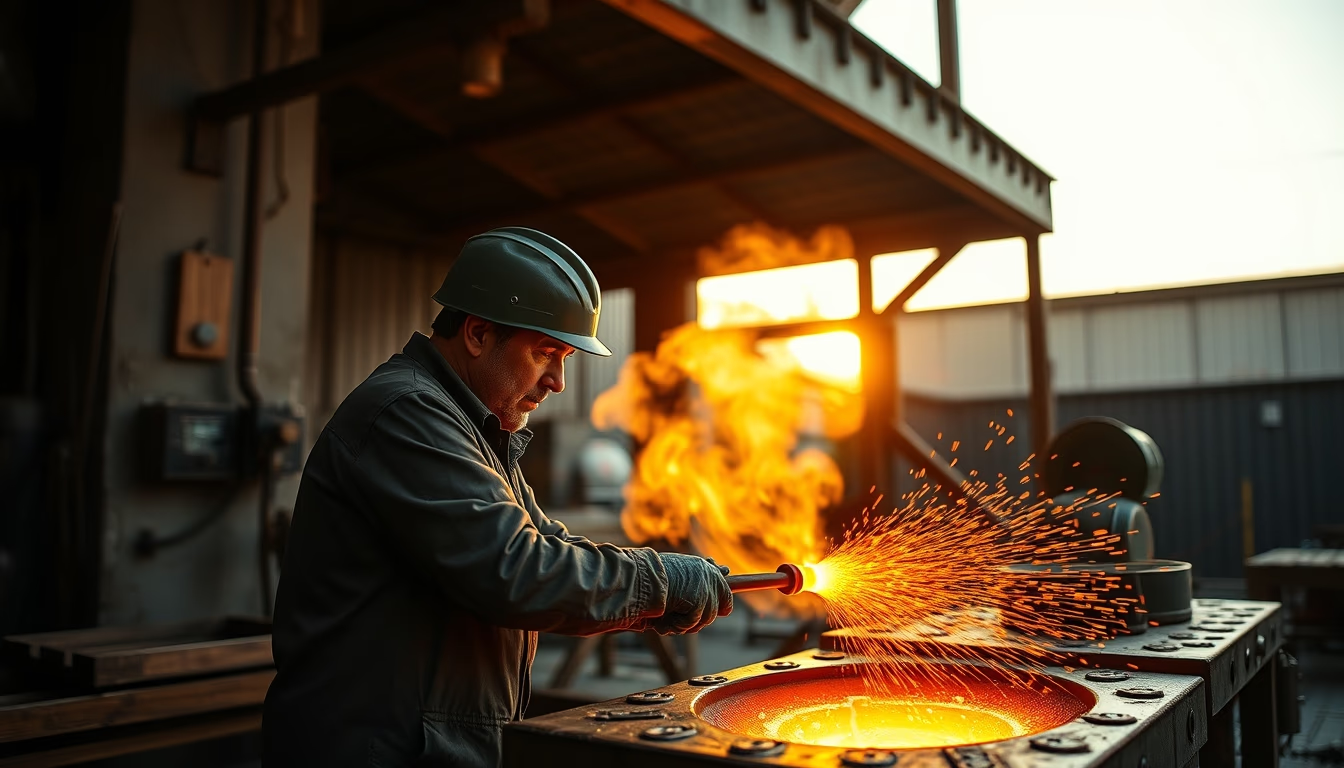
Glass blowing furnace, an essential tool in the ancient art of handcrafted glassmaking, reaches temperatures above 1,100°C to melt and shape glass.
About this subject
The glass blowing furnace is the heart of any handcrafted glass studio. This equipment is designed to maintain constant temperatures between 1,100°C and 1,200°C, the point at which glass becomes malleable. Unlike industrial furnaces, artisanal models are typically built with high-density refractory materials and gas or oil burners, allowing precise flame control. The technique dates back to 1st century BC Syria, but a major revolution came with more efficient furnaces during the Italian Renaissance, especially in Murano, where master glassmakers perfected the process.
In Brazil, the glassblowing tradition is strong in regions such as the Paraíba Valley (SP) and southern Minas Gerais, with workshops preserving manual methods. A typical furnace has three main parts: the crucible where glass is melted, the annealing kiln for slow cooling, and the glory hole where the artist gathers material on the blowpipe. The temperature is so high that direct contact with the flame requires full thermal protection, with gloves and aprons made of asbestos or Kevlar.
Fun fact: the color of molten glass indicates temperature, bright red means about 1,100°C, while orange and yellow tones signal higher heat. Silica sand, the main component, transforms into a viscous liquid that can be blown into bubbles. Furnace maintenance is crucial: if the temperature drops below the melting point, glass solidifies and may damage the crucible. Experienced craftsmen constantly check flame conditions and material consistency.
Today, modern furnaces use ceramic insulation and digital controls, but many artists prefer the unpredictable heat of wood-fired models for unique textures. The technique is so complex that an apprentice takes years to master basic blowing, requiring hand-eye coordination and endurance to extreme heat. The furnace, therefore, is not just a tool but a symbol of transforming the simplest element, sand, into ephemeral and durable works of art.
Frequently Asked Questions
What is the ideal temperature for a glass blowing furnace?
The ideal temperature is between 1,100°C and 1,200°C, where glass reaches the perfect viscosity for blowing. Lower temperatures make glass brittle, while higher ones can vaporize components.
What materials are used to build an artisanal furnace?
Typically high-alumina refractory bricks, ceramic fiber, and structural steel. The inner lining must withstand thermal shock and corrosion from molten glass.
Can you make blown glass at home with a simple furnace?
It is not recommended. Homemade furnaces rarely reach the required temperature and pose fire and burn risks. It's best to seek specialized studios with professional equipment.
Direct URL
https://pub-c7d6a6ea828543ac903a74a341ccb2e1.r2.dev/imagens/glass-blowing-furnace-travel-photography-p4.avifHow to credit
Include a visible link back to UtilizAí. Copy one of the snippets below:
<a href="https://xn--utiliza-eza.com/en/midia/imagens/glass-blowing-furnace-travel-photography-p4">Glass blowing furnace</a> by <a href="https://xn--utiliza-eza.com">UtilizAí</a>, licensed under <a href="https://creativecommons.org/licenses/by/4.0/">CC BY 4.0</a>.
[Glass blowing furnace](https://xn--utiliza-eza.com/en/midia/imagens/glass-blowing-furnace-travel-photography-p4) by [UtilizAí](https://xn--utiliza-eza.com), CC BY 4.0
License: CC-BY-4.0