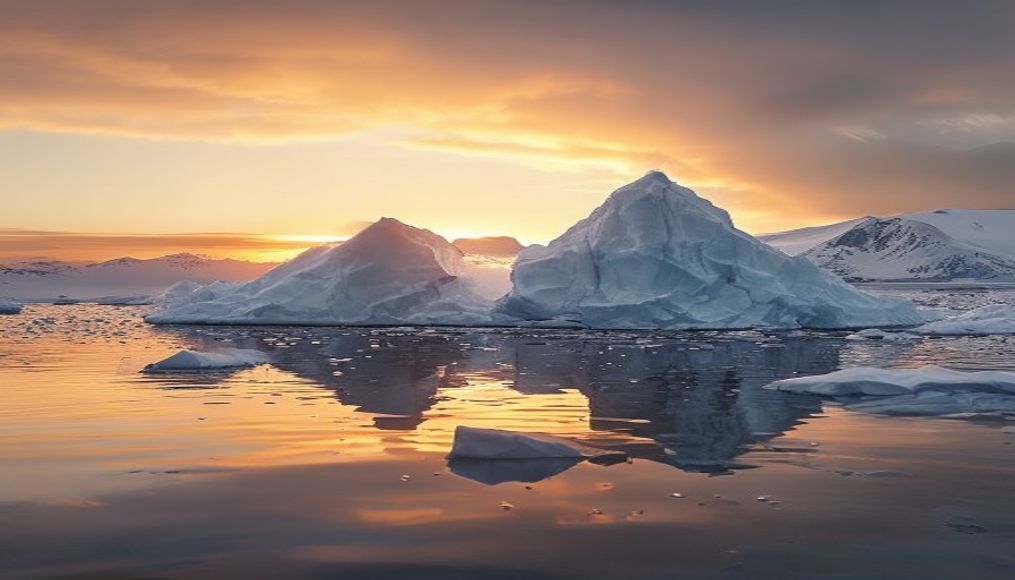
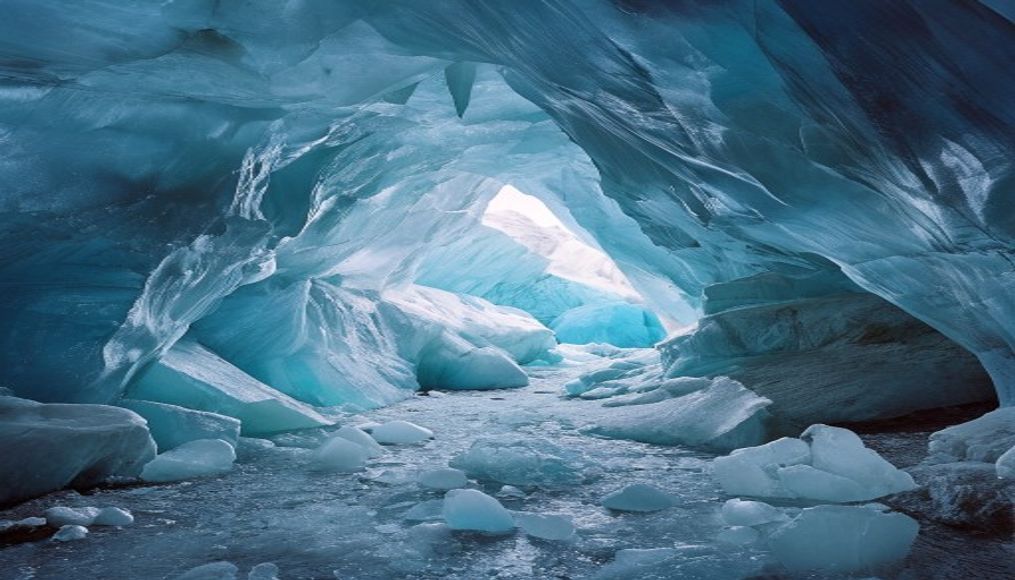
Frozen waterfall iceland
1344×768 · AVIF · CC BY 4.0
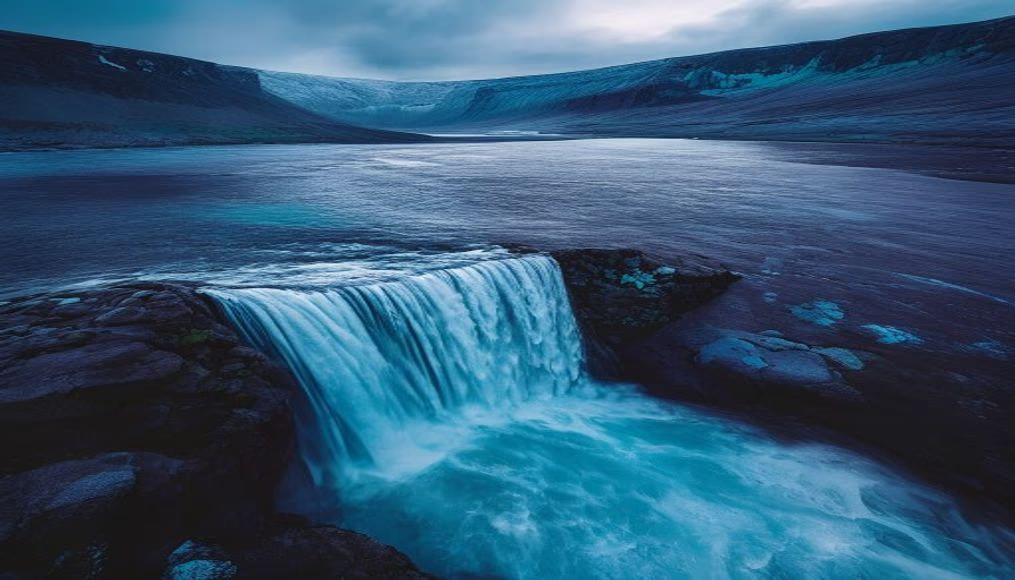
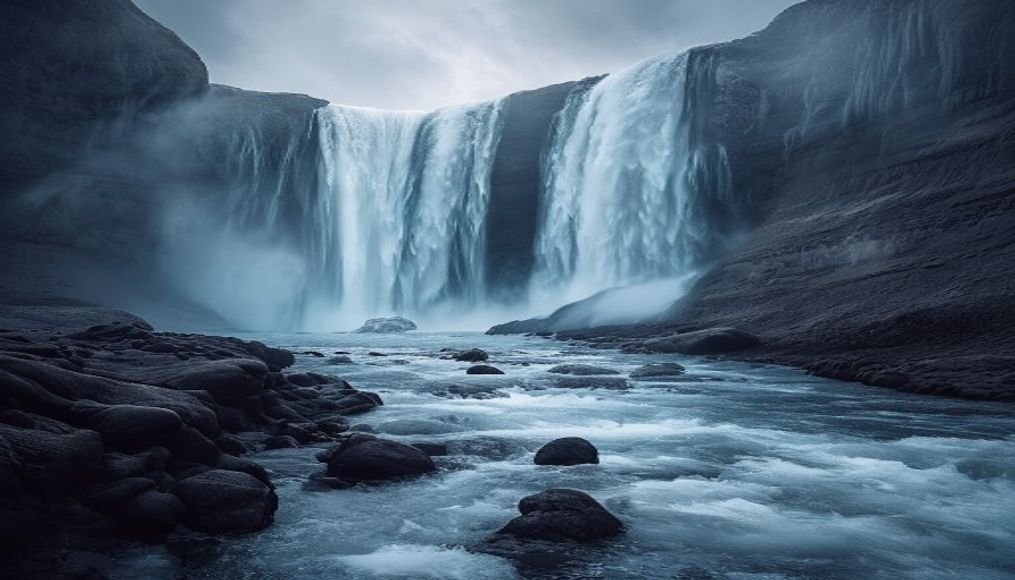
Frozen waterfalls in Iceland turn into natural sculptures during winter, attracting adventurers and photographers from around the world.
About this subject
Iceland, known as the land of ice and fire, is home to some of the most spectacular waterfalls on the planet. During winter, many of them freeze partially or completely, creating impressive glacial formations. This phenomenon occurs mainly between November and March, when temperatures drop below freezing and water flow decreases. Waterfalls such as Seljalandsfoss, Skógafoss, and Gullfoss are popular destinations, but the famous Svartifoss, surrounded by black basalt columns, offers a unique contrast between white ice and volcanic rock.
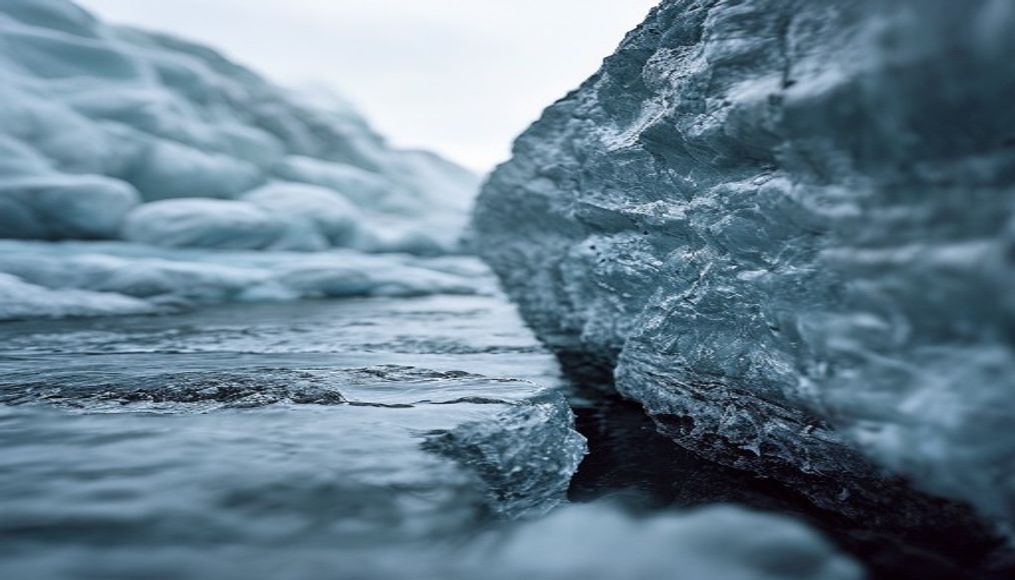
The formation of these frozen cascades depends on several factors: water flow, wind exposure, and ambient temperature. On colder days, the spray from the waterfall instantly freezes on the surrounding rocks, forming ice layers that can reach several meters thick. Sunlight reflects on these icy surfaces, generating shades ranging from crystalline blue to milky white. Photographers and adventurers from all over the world travel to Iceland specifically to capture this spectacle, which lasts only a few months each year.
Beyond scenic beauty, frozen waterfalls hold cultural and historical significance for the country. Many are mentioned in the Icelandic sagas, medieval texts that narrate the settlement of the island. Gullfoss, for instance, is associated with a legend about a young woman who threw herself into the waterfall to protest the sale of lands. Today, these waterfalls are protected by national parks and represent one of Iceland's main tourist attractions, generating substantial revenue for the local economy.
From a scientific perspective, the study of frozen waterfalls helps researchers understand climate patterns and the impact of global warming. With rising temperatures, the freezing period has become shorter in some areas, concerning conservation experts. Nonetheless, Iceland remains one of the best places in the world to witness nature's power in its iciest form.
Frequently Asked Questions
What is the best time to see frozen waterfalls in Iceland?
The best time is between November and March, when temperatures are lowest and the waterfalls freeze. January and February offer the most extreme conditions and the iciest landscapes.
Is it safe to visit frozen waterfalls in Iceland?
Yes, but with caution. Ice can be slippery and layers may break. It is recommended to wear proper footwear and keep a safe distance from edges. Local guides can offer safe tours.
Which frozen waterfalls are most famous in Iceland?
Seljalandsfoss, Skógafoss, Gullfoss, and Svartifoss are the most famous. Svartifoss stands out for its basalt columns, while Gullfoss is one of the largest and most powerful.
Direct URL
https://pub-c7d6a6ea828543ac903a74a341ccb2e1.r2.dev/imagens/frozen-waterfall-iceland-aerial-drone-shot-p1.avifHow to credit
Include a visible link back to UtilizAí. Copy one of the snippets below:
<a href="https://xn--utiliza-eza.com/en/midia/imagens/frozen-waterfall-iceland-aerial-drone-shot-p1">Frozen waterfall iceland</a> by <a href="https://xn--utiliza-eza.com">UtilizAí</a>, licensed under <a href="https://creativecommons.org/licenses/by/4.0/">CC BY 4.0</a>.
[Frozen waterfall iceland](https://xn--utiliza-eza.com/en/midia/imagens/frozen-waterfall-iceland-aerial-drone-shot-p1) by [UtilizAí](https://xn--utiliza-eza.com), CC BY 4.0
License: CC-BY-4.0