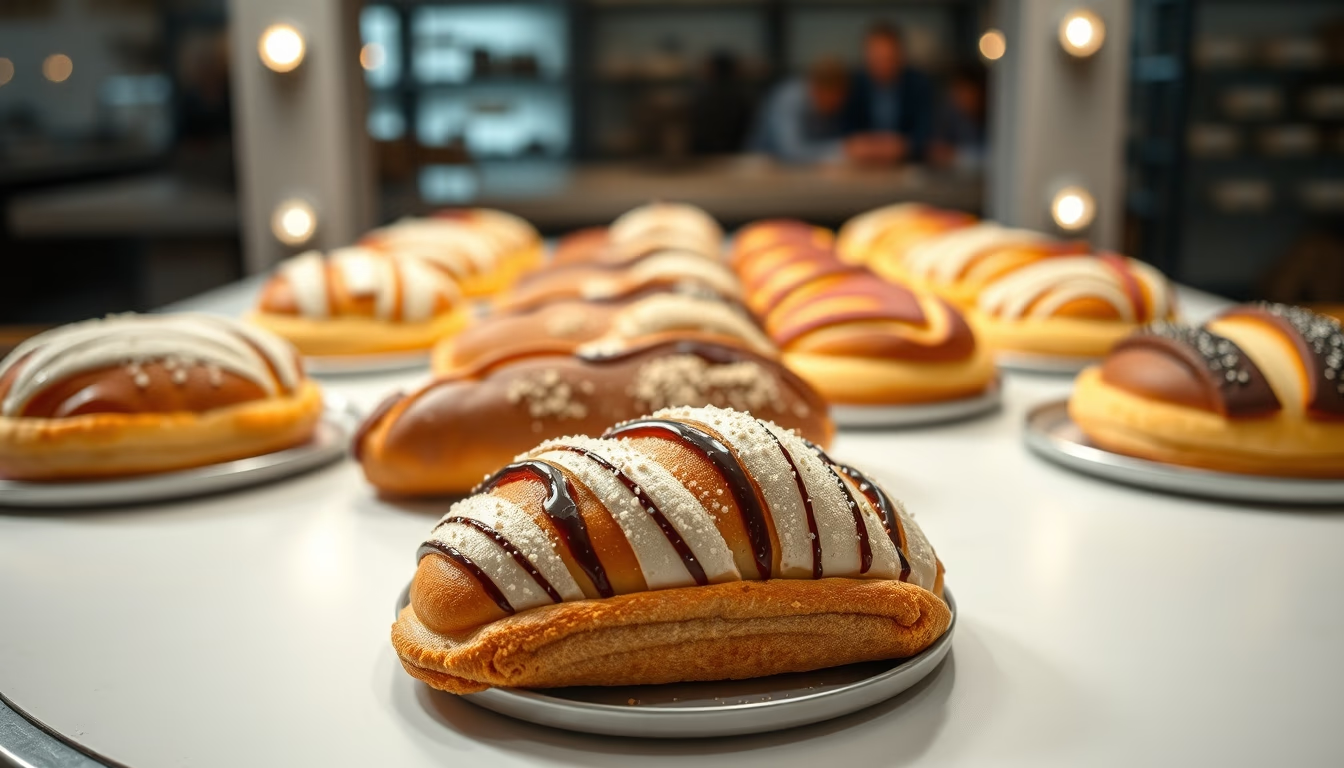
French pastries display
1344×768 · AVIF · CC BY 4.0
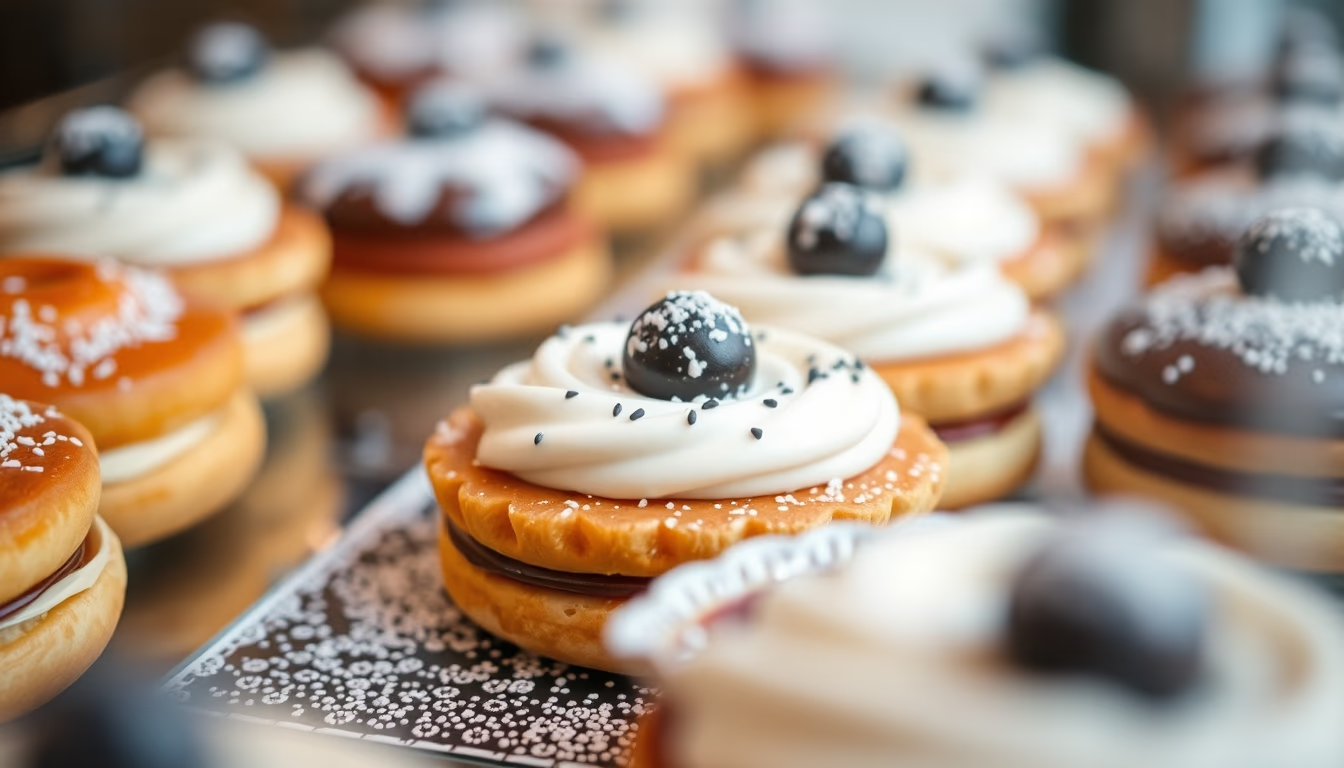
Explore the tradition of French patisseries, featuring flaky croissants, filled éclairs, and colorful macarons, symbols of world-class pastry craftsmanship.
About this subject
French pastry is renowned worldwide for its technical complexity and elegance. Originating in the 19th century with the development of techniques such as laminated dough (for croissants and pains au chocolat) and egg-and-butter-based creams, French confectionery became a global benchmark. Each region contributes specialties: kouign-amann from Brittany, tarte Tatin from the Loire, and calissons from Aix-en-Provence.
Croissants, perhaps the most famous symbol, require a process of folds and chilling that results in hundreds of layers. Éclairs are made with choux pastry, filled with cream, and topped with glaze. Macarons, small almond cookies, demand precision in temperature and resting time to form the characteristic 'foot'. Classics also include mille-feuille (Napoleon), opéra, and baba au rhum.
In French culture, pâtisseries are respected establishments, often run by master pastry chefs trained at schools like Le Cordon Bleu or Ferrandi. Visiting a pâtisserie is a daily ritual for many French people, buying fresh bread and pastries in the morning. Display windows are true works of art, with careful arrangement of each piece.
The influence of French pastry extends globally, with techniques like crème pâtissière and puff pastry adopted worldwide. Competitions such as the Coupe du Monde de la Pâtisserie celebrate innovation and tradition. Despite adaptations, the essence remains: high-quality butter, fresh ingredients, and impeccable technique.
Frequently Asked Questions
What is the difference between a croissant and a pain au chocolat?
A croissant is made with simple laminated dough, without filling, while a pain au chocolat uses the same dough but rolled around chocolate bars.
How are macarons traditionally made?
Traditional macarons use almond flour, egg white, and powdered sugar. The batter is beaten into a meringue, then folded with the flour and piped into circles. After resting, they are baked and filled.
What is a mille-feuille?
Mille-feuille, also called Napoleon, is a dessert made of layers of puff pastry alternating with cream (usually vanilla) and topped with icing or powdered sugar.
Direct URL
https://pub-c7d6a6ea828543ac903a74a341ccb2e1.r2.dev/imagens/french-pastries-display-macro-closeup-fresh7.avifHow to credit
Include a visible link back to UtilizAí. Copy one of the snippets below:
<a href="https://xn--utiliza-eza.com/en/midia/imagens/french-pastries-display-macro-closeup-fresh7">French pastries display</a> by <a href="https://xn--utiliza-eza.com">UtilizAí</a>, licensed under <a href="https://creativecommons.org/licenses/by/4.0/">CC BY 4.0</a>.
[French pastries display](https://xn--utiliza-eza.com/en/midia/imagens/french-pastries-display-macro-closeup-fresh7) by [UtilizAí](https://xn--utiliza-eza.com), CC BY 4.0
License: CC-BY-4.0