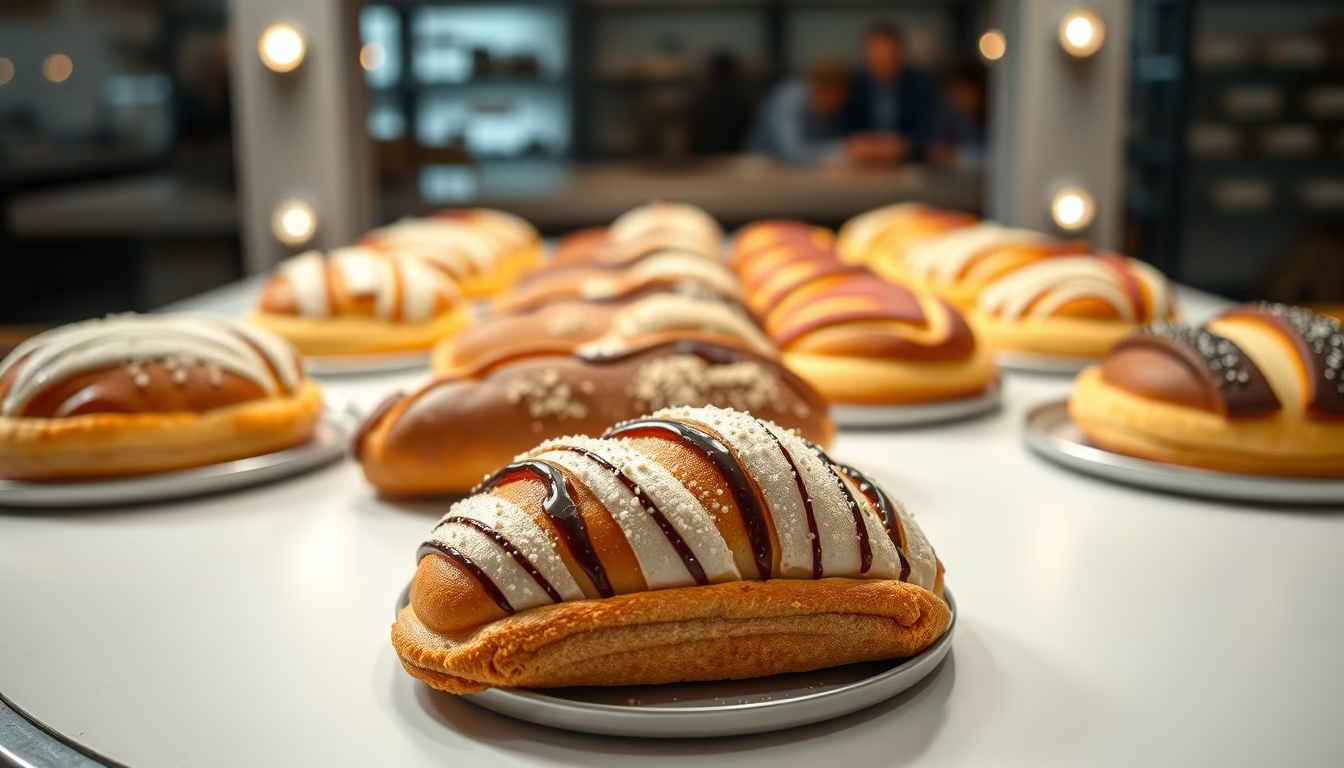
French pastries display
1344×768 · AVIF · CC BY 4.0
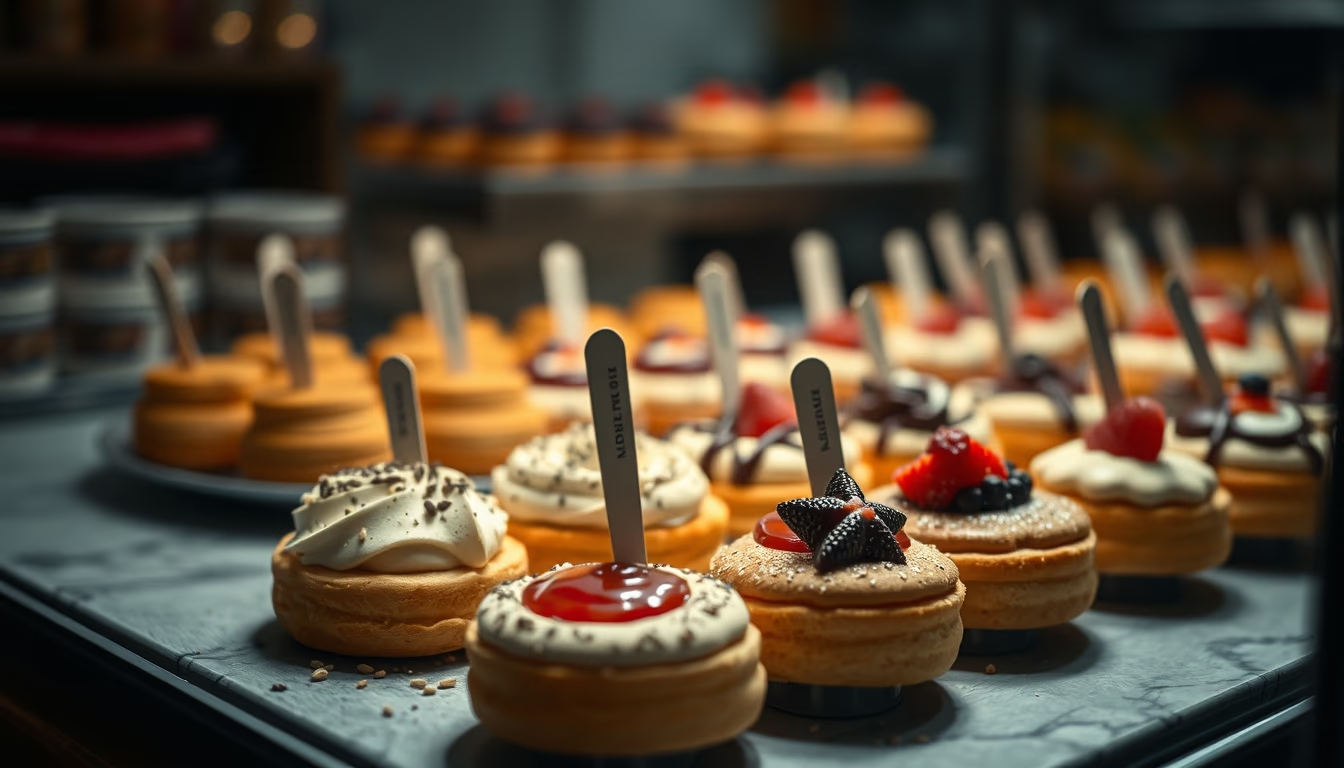
French pastry display: a selection of pâtisserie classics such as éclairs, macarons, and croissants, served in refined presentation.
About this subject
French pâtisserie is globally renowned for its refined techniques and elegant presentation. Its roots date back to the 16th century, when Catherine de Medici brought Italian chefs to the French court, introducing sophisticated desserts. In the 19th century, chefs like Marie-Antoine Carême and Auguste Escoffier systematized recipes and techniques that became the foundation of modern pastry.
Among the most iconic classics are the éclair, a choux pastry filled with cream and topped with icing; the macaron, an almond-based cookie with a creamy filling; and the croissant, a buttery laminated dough of Viennese origin adapted in France. Each demands precision in ingredients and temperatures, such as the sugar syrup stage for macarons or the folds of croissant dough.
French high pastry has achieved art status, with houses like Ladurée and Pierre Hermé elevating sweets to luxury items. In fashion editorials, the minimalist and colorful aesthetic of pastries is often associated with Parisian glamour. The combination of colors, textures, and symmetry transforms the display into a visual composition that dialogues with design and haute couture.
Interestingly, the term "pâtissier" is legally protected in France: only certified professionals may use the title. The tradition is so valued that a national competition, the Meilleur Ouvrier de France Pâtissier, tests extreme skills, such as building sugar and chocolate showpieces.
Frequently Asked Questions
What is the difference between pâtisserie and boulangerie?
Pâtisserie refers to fine pastries and desserts, such as tarts, éclairs, and macarons. Boulangerie is a bakery focused on breads and savory items. In France, establishments may have both, but licenses are distinct.
Why are macarons so expensive?
Their high cost comes from using quality almond flour, fresh egg whites, and sugar. Preparation is delicate and requires skilled labor, plus aging time for the filling.
What is the origin of the croissant?
The modern croissant derives from the Austrian kipferl, brought to France by Marie Antoinette. The flaky, buttery version was perfected by Parisian pâtissiers in the early 20th century.
Direct URL
https://pub-c7d6a6ea828543ac903a74a341ccb2e1.r2.dev/imagens/french-pastries-display-high-fashion-editorial-fresh13.avifHow to credit
Include a visible link back to UtilizAí. Copy one of the snippets below:
<a href="https://xn--utiliza-eza.com/en/midia/imagens/french-pastries-display-high-fashion-editorial-fresh13">French pastries display</a> by <a href="https://xn--utiliza-eza.com">UtilizAí</a>, licensed under <a href="https://creativecommons.org/licenses/by/4.0/">CC BY 4.0</a>.
[French pastries display](https://xn--utiliza-eza.com/en/midia/imagens/french-pastries-display-high-fashion-editorial-fresh13) by [UtilizAí](https://xn--utiliza-eza.com), CC BY 4.0
License: CC-BY-4.0