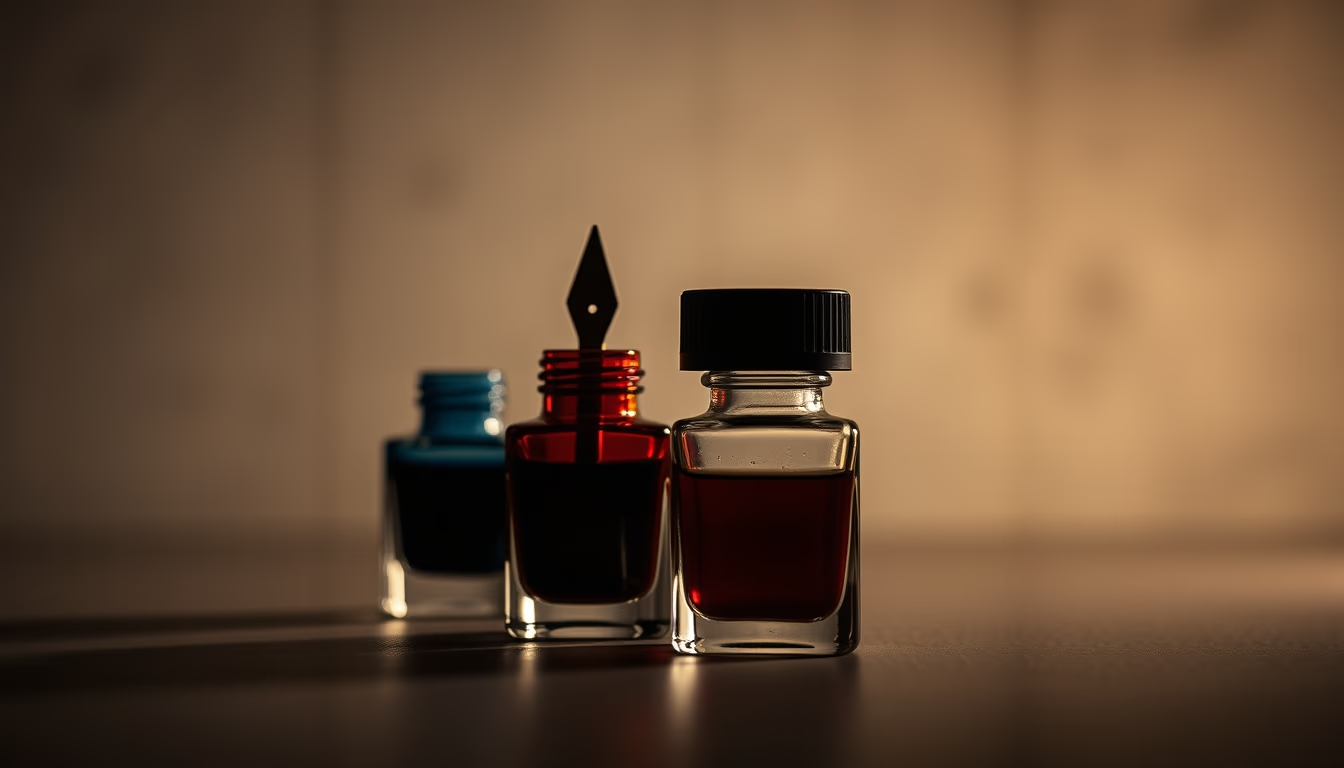
Fountain pen ink bottles
1344×768 · AVIF · CC BY 4.0
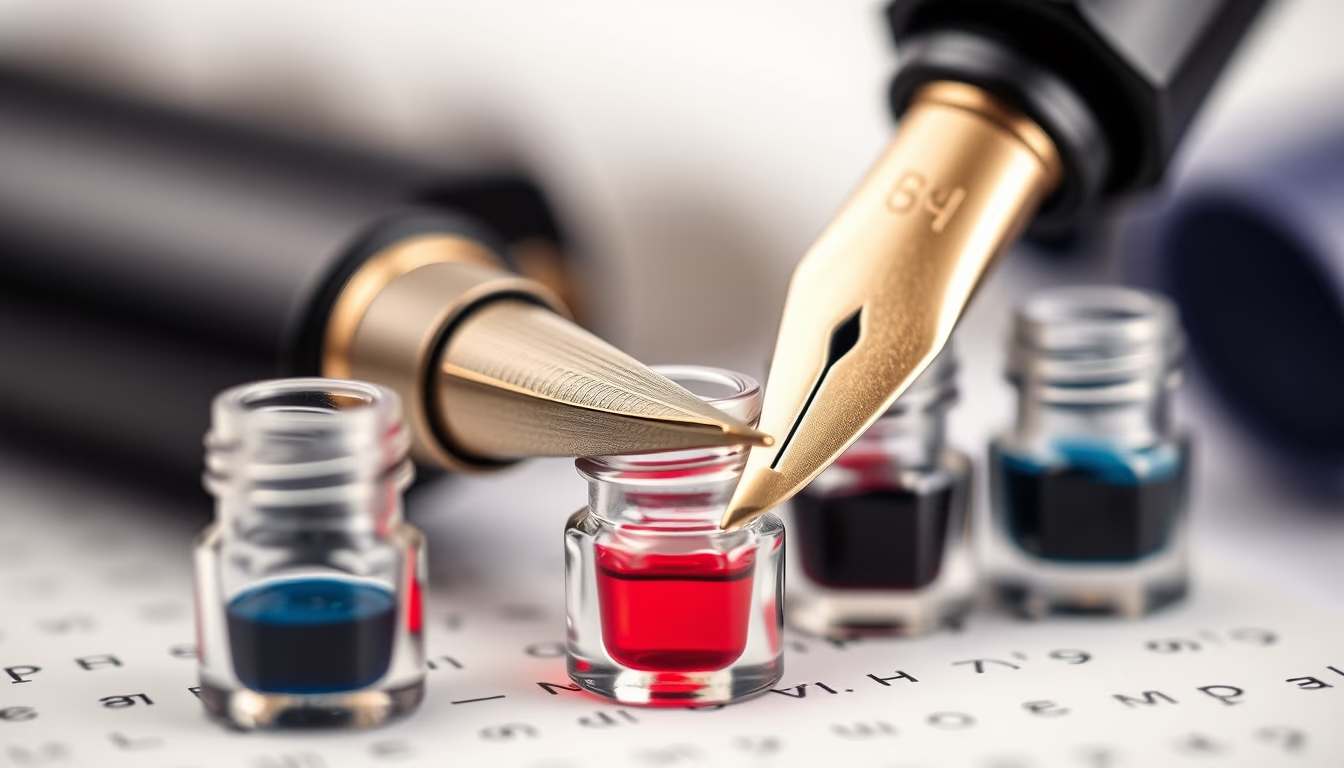
Fountain pen ink bottles in macro close-up: vibrant colors and elegant designs reveal the tradition of handwriting.
About this subject
Fountain pen ink bottles are far more than functional containers: they represent a universe of colors, textures, and history. Each brand develops unique formulas, from dye-based inks to complex ones with pigments or special properties like water resistance, sheen, or shading. The artisanal production of some limited editions even uses natural ingredients such as shellac or plant extracts. The bottle design is also an art: classic rectangular shapes, bottles with integrated reservoirs for easy filling, or faceted glass reminiscent of perfume bottles. Collectors often seek special editions that honor monuments, historical events, or simply explore new color palettes.
The culture of fountain pen ink is deeply connected to calligraphy and personal correspondence. In Brazil, there is an active community of users who exchange samples, attend meetups, and keep the tradition of handwriting alive. German, Japanese, and Italian manufacturers dominate the market, but national brands also produce quality inks. Choosing an ink can transform the writing experience: a fast-drying ink for everyday notes, or a shimmer ink for special letters. Compatibility with different papers and pens is a valued knowledge among enthusiasts.
Interestingly, the production of fountain pen inks presents unique technical challenges: maintaining flow without clogging the feed system, ensuring color consistency across batches, and preventing mold growth. Most modern inks contain biocides for preservation. Some bottles feature devices like droppers or wide necks for easy filling. The best-selling color worldwide is royal blue, followed by black and teal. However, vibrant colors like orange, turquoise, and purple have gained popularity with the growth of the artistic calligraphy hobby.
Frequently Asked Questions
What is the difference between dye-based and pigment-based inks?
Dye-based inks are soluble in water, offer vibrant colors, and are less prone to clogging, but may fade under UV light. Pigment-based inks use suspended particles, are more water-resistant and lightfast, but may require more frequent pen cleaning.
How do I choose the right ink for my fountain pen?
Check compatibility with the feed and reservoir material. Pens with ebonite or plastic feeds are safe for most inks. Avoid inks with glitter or large particles in cartridge/converter pens. Test on paper to check drying time and bleeding.
Is it safe to mix inks from different brands?
It is not recommended, as different chemical compositions may cause reactions such as precipitation, clogging, or color change. If you want a custom color, use inks from the same brand or test in small quantities.
Direct URL
https://pub-c7d6a6ea828543ac903a74a341ccb2e1.r2.dev/imagens/fountain-pen-ink-bottles-macro-closeup-fresh16.avifHow to credit
Include a visible link back to UtilizAí. Copy one of the snippets below:
<a href="https://xn--utiliza-eza.com/en/midia/imagens/fountain-pen-ink-bottles-macro-closeup-fresh16">Fountain pen ink bottles</a> by <a href="https://xn--utiliza-eza.com">UtilizAí</a>, licensed under <a href="https://creativecommons.org/licenses/by/4.0/">CC BY 4.0</a>.
[Fountain pen ink bottles](https://xn--utiliza-eza.com/en/midia/imagens/fountain-pen-ink-bottles-macro-closeup-fresh16) by [UtilizAí](https://xn--utiliza-eza.com), CC BY 4.0
License: CC-BY-4.0