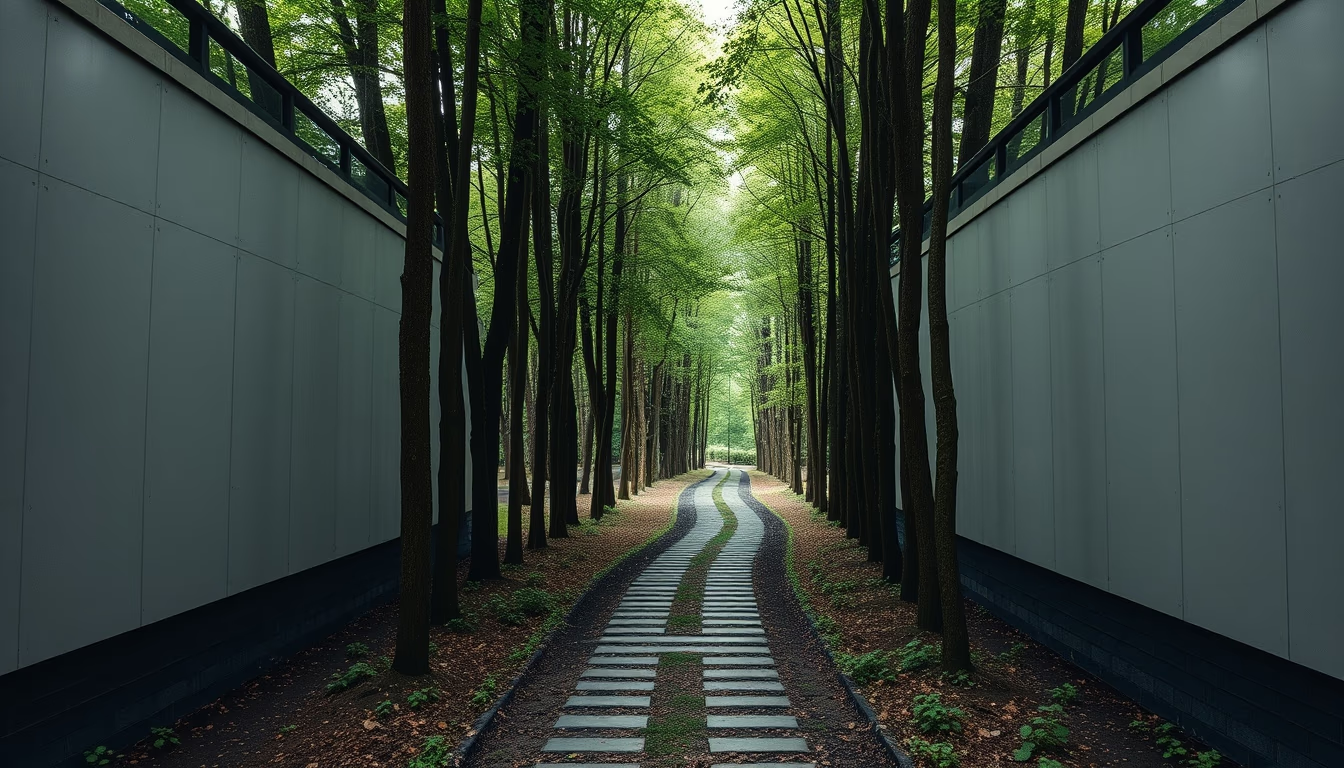
Forest bathing path
1344×768 · AVIF · CC BY 4.0
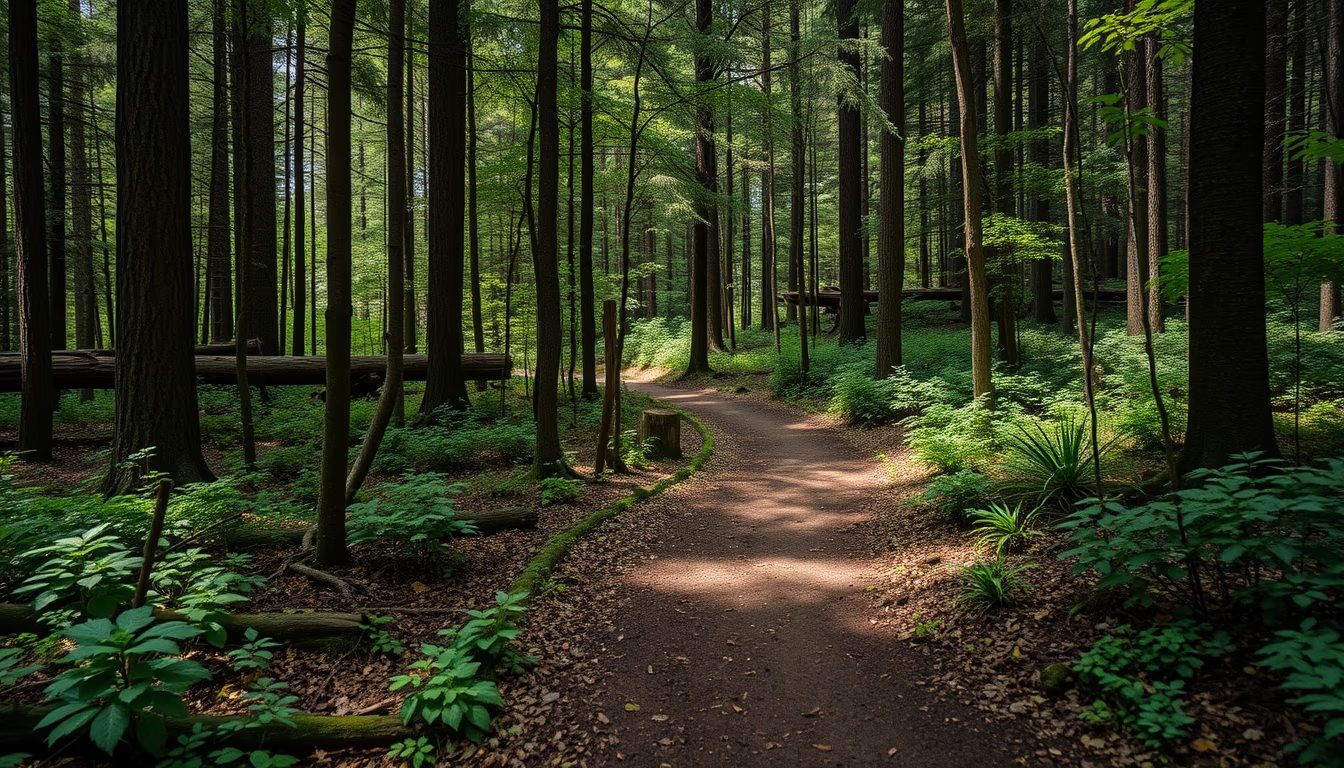
Forest bathing path, a Japanese practice of sensory immersion in nature that reduces stress and improves health.
About this subject
Forest bathing, or shinrin-yoku, is a practice originating in Japan in the 1980s as a response to rising urban stress and lifestyle-related diseases. The term was coined by Japan's Ministry of Agriculture, Forestry, and Fisheries, which encouraged the creation of certified paths in national forests. The practice involves walking slowly along a path, focusing on the senses: observing light filtering through leaves, listening to birdsong, feeling the texture of bark, and inhaling volatile compounds from trees, such as phytoncides. Scientific studies, such as those conducted by Chiba University, have shown that regular shinrin-yoku sessions lower cortisol levels, reduce blood pressure, and strengthen the immune system by increasing natural killer (NK) cell activity.
Globally, forest bathing has spread to many countries, with designated paths in national parks and private reserves. In the United States, the practice is promoted by organizations like the Association of Nature and Forest Therapy. A typical forest bathing path includes stopping points for guided meditation, breathing exercises, and sensory activities. Unlike a regular hike, the goal is not distance but the quality of the experience. The World Health Organization recommends forest bathing as a complementary therapy for anxiety and depression, and it has been integrated into public health policies in countries such as South Korea and Finland.
Notably, Germany uses the term "Waldbaden" and incorporates forest bathing into cardiac rehabilitation programs. Studies indicate that two hours of forest immersion can reduce cortisol levels by 12% compared to urban environments. Choosing the right path is important: areas with diverse tree species have higher concentrations of beneficial phytoncides. Species like cedar, pine, and eucalyptus release significant amounts of these compounds. Forest bathing is not just a wellness trend but a scientifically supported practice with measurable health benefits.
Frequently Asked Questions
What is forest bathing and how is it different from a regular walk?
Forest bathing, or shinrin-yoku, is a sensory immersion practice in nature, focusing on all senses without the goal of exercise or speed. Unlike a typical hike, it involves a slow pace with stops to observe, listen, and feel the environment.
What are the proven health benefits of forest bathing?
Studies show reduced cortisol levels, lowered blood pressure, and improved immune function with increased NK cells. It also helps alleviate anxiety, depression, and enhances sleep quality.
Are there official forest bathing paths in the United States?
Yes, many national parks and private reserves offer forest bathing programs. The Association of Nature and Forest Therapy certifies guides and paths in various states, including California, New York, and Oregon.
Direct URL
https://pub-c7d6a6ea828543ac903a74a341ccb2e1.r2.dev/imagens/forest-bathing-path-national-geographic-style-p4.avifHow to credit
Include a visible link back to UtilizAí. Copy one of the snippets below:
<a href="https://xn--utiliza-eza.com/en/midia/imagens/forest-bathing-path-national-geographic-style-p4">Forest bathing path</a> by <a href="https://xn--utiliza-eza.com">UtilizAí</a>, licensed under <a href="https://creativecommons.org/licenses/by/4.0/">CC BY 4.0</a>.
[Forest bathing path](https://xn--utiliza-eza.com/en/midia/imagens/forest-bathing-path-national-geographic-style-p4) by [UtilizAí](https://xn--utiliza-eza.com), CC BY 4.0
License: CC-BY-4.0