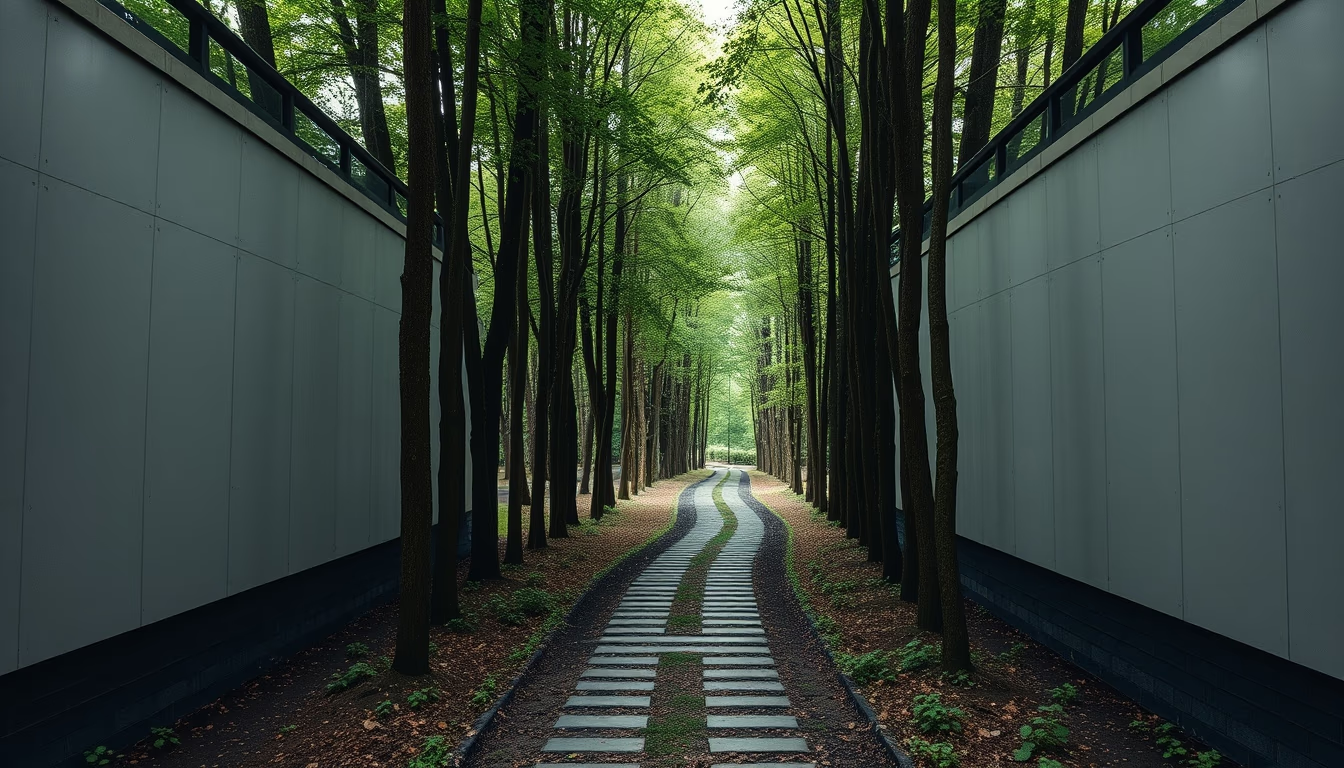
Forest bathing path
1344×768 · AVIF · CC BY 4.0
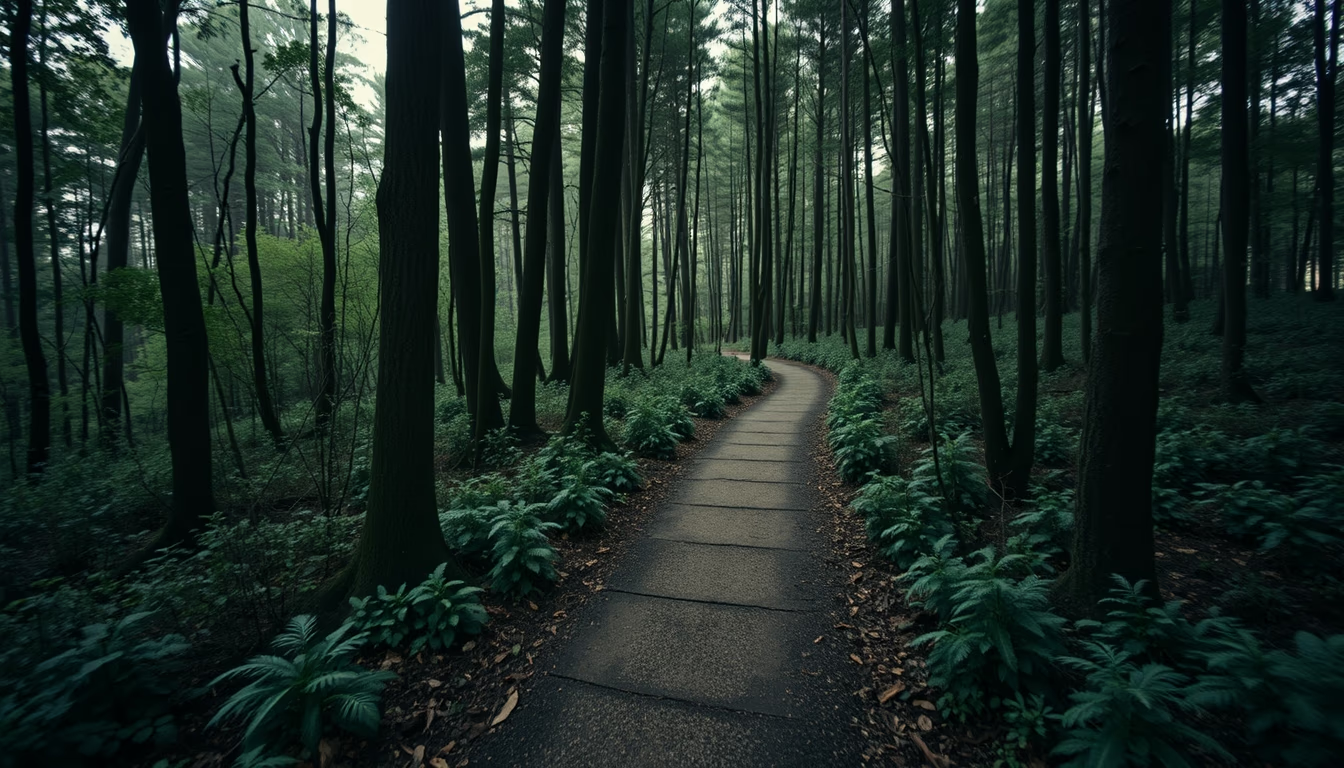
Forest bathing, the Japanese practice of immersive nature exposure, offers proven benefits for physical and mental health, adopted worldwide as preventive therapy.
About this subject
Forest bathing, known in Japanese as Shinrin-yoku, is a therapeutic practice that originated in Japan in the 1980s. The Japanese government introduced it as a public health initiative to combat rising stress and lifestyle diseases in urban populations. The concept involves fully immersing oneself in the forest atmosphere, engaging all senses to connect with the natural environment. Research by institutions like Chiba University and Nippon Medical School has shown that forest bathing reduces cortisol levels, lowers blood pressure, improves mood, and boosts immune function. Phytoncides, aromatic compounds released by trees, are believed to play a key role in these health benefits.
Today, forest bathing is recognized worldwide as a wellness intervention, with certified trails in countries including the United States, Canada, Germany, and Brazil. In Brazil, locations such as the Tijuca Forest in Rio de Janeiro and Itacolomi State Park in Minas Gerais offer guided experiences led by trained professionals. The practice does not require strenuous hiking; the emphasis is on slowness and mindfulness. Participants walk in silence, observing textures, sounds, smells, and even tastes of the environment. Typical sessions last two to four hours, tailored to each person's pace.
Interestingly, forest bathing has influenced urban design. Cities like Tokyo incorporate green corridors and sensory gardens inspired by the practice. Lifestyle and fashion brands have embraced the concept, creating functional clothing and accessories for comfortable nature immersion, such as waterproof footwear and breathable fabrics. This intersection of wellness and fashion reflects a global trend toward authentic outdoor experiences, aligning with sustainability and preventive health.
Frequently Asked Questions
What is forest bathing and where did it originate?
Forest bathing, or Shinrin-yoku, is a Japanese therapeutic practice of immersive nature exposure. It was developed in the 1980s by the Japanese government as a public health measure.
What are the proven benefits of forest bathing?
Studies indicate reduced cortisol levels, lower blood pressure, improved mood, and enhanced immune function. Phytoncides from trees are key to these benefits.
Where can I practice forest bathing in Brazil?
Certified trails are available in parks such as Tijuca Forest (Rio de Janeiro) and Itacolomi State Park (Minas Gerais), with trained guides facilitating the experience.
Direct URL
https://pub-c7d6a6ea828543ac903a74a341ccb2e1.r2.dev/imagens/forest-bathing-path-high-fashion-editorial-p5.avifHow to credit
Include a visible link back to UtilizAí. Copy one of the snippets below:
<a href="https://xn--utiliza-eza.com/en/midia/imagens/forest-bathing-path-high-fashion-editorial-p5">Forest bathing path</a> by <a href="https://xn--utiliza-eza.com">UtilizAí</a>, licensed under <a href="https://creativecommons.org/licenses/by/4.0/">CC BY 4.0</a>.
[Forest bathing path](https://xn--utiliza-eza.com/en/midia/imagens/forest-bathing-path-high-fashion-editorial-p5) by [UtilizAí](https://xn--utiliza-eza.com), CC BY 4.0
License: CC-BY-4.0