Film camera vintage cinematic
1344×768 · AVIF · CC BY 4.0

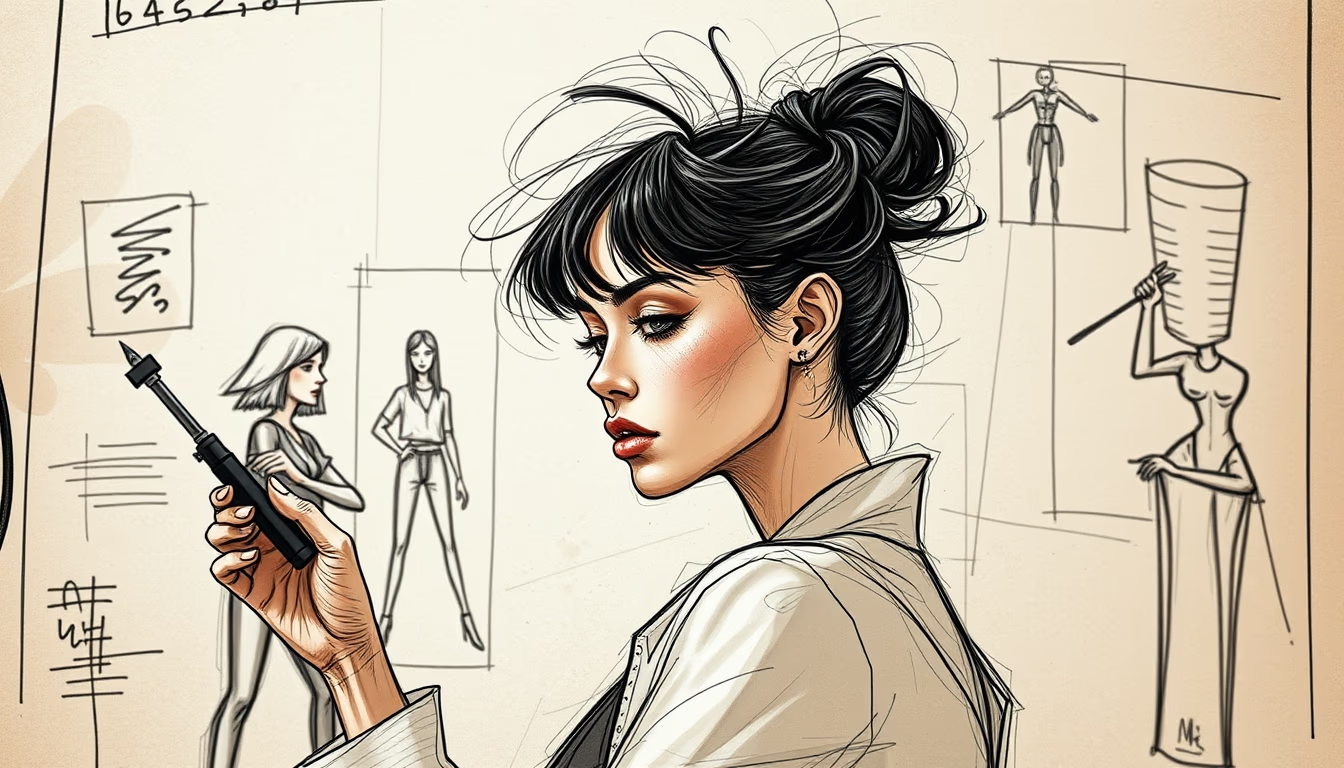
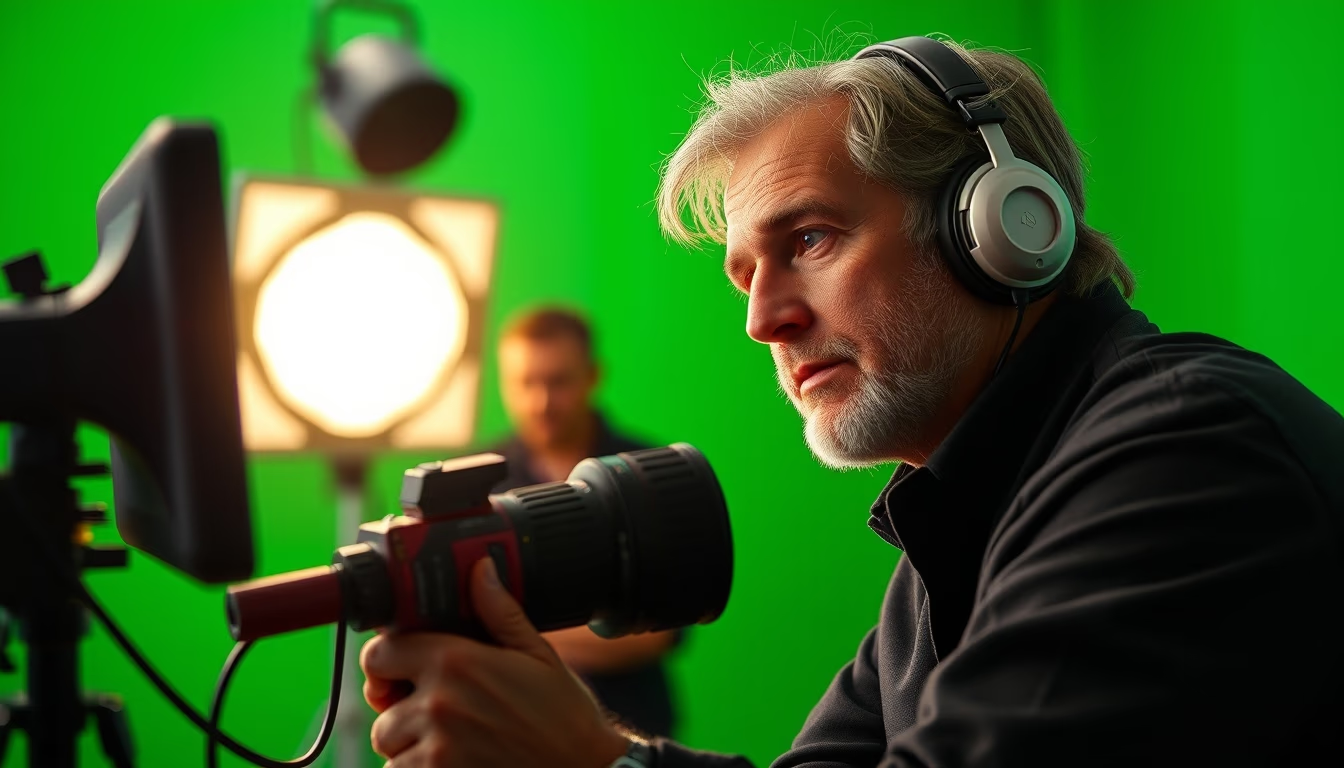
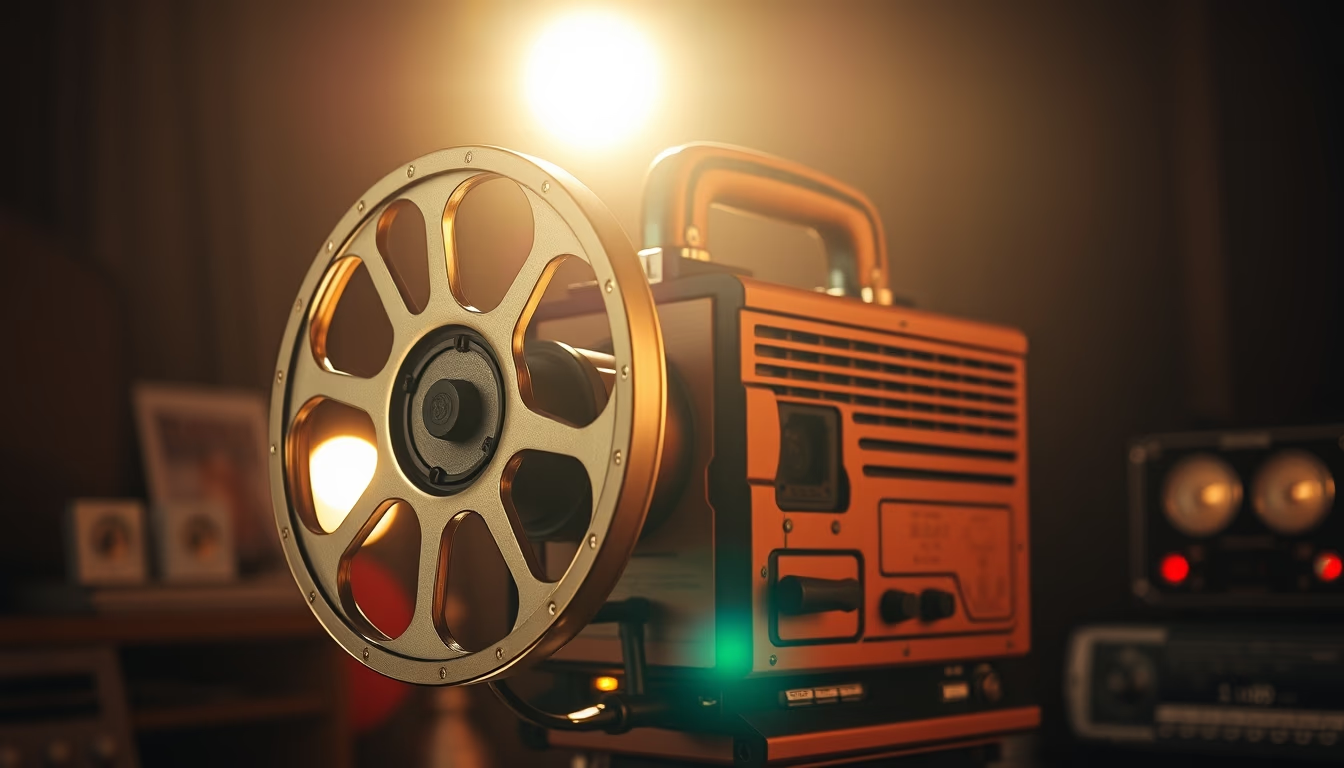
Vintage film camera as a protagonist in high-fashion editorials: the analog charm resurging in contemporary fashion.
About this subject
Vintage film cameras, such as the legendary Arriflex 35 BL or the compact Bolex H16, left a profound mark on cinema and photography. Their mechanical design, with precision gears and optical viewfinders, demanded technical mastery from cinematographers. In fashion, these cameras were essential tools for runway shows and campaigns until the shift to digital.
Today, the use of these cameras in high-fashion editorials represents an aesthetic revival. The film grain, the limitation of 24 frames per second, and the inability to immediately preview footage create a unique atmosphere. Brands like Gucci and Prada have already used vintage cameras in their productions, valuing the artisanal process in contrast with digital perfection.
In Brazil, the tradition of underground cinema in the 1960s and 1970s employed cameras like the Bolex, adapted for low-budget productions. In editorial contexts, this equipment evokes a nostalgia that connects viewers to a pre-digital era, where each frame was carefully chosen. Maintaining these cameras requires knowledge of fine mechanics and rare parts, making them collector's items.
Interestingly, the texture of cinematic film is now simulated by digital filters, but no algorithm exactly reproduces the unpredictability of a manual exposure. Therefore, fashion photographers like Tim Walker and Paolo Roversi still turn to the analog format to capture nuances impossible in digital, proving that vintage technology remains relevant.
Frequently Asked Questions
Why are vintage film cameras used in fashion editorials?
They add texture, grain, and imperfections that evoke nostalgia and authenticity. The analog process also emphasizes craftsmanship, which is increasingly rare in the digital age.
What are the practical differences between film and digital in editorial productions?
Film has limited exposure latitude, requires chemical development, and costs per frame. Digital offers instant playback and more flexibility. The choice depends on the desired effect.
How to maintain a vintage film camera?
Store in a dry, ventilated place, periodically lubricate mechanisms, and avoid shocks. Replacement parts are scarce, requiring specialized service.
Direct URL
https://pub-c7d6a6ea828543ac903a74a341ccb2e1.r2.dev/imagens/film-camera-vintage-cinematic-high-fashion-editorial-p2.avifHow to credit
Include a visible link back to UtilizAí. Copy one of the snippets below:
<a href="https://xn--utiliza-eza.com/en/midia/imagens/film-camera-vintage-cinematic-high-fashion-editorial-p2">Film camera vintage cinematic</a> by <a href="https://xn--utiliza-eza.com">UtilizAí</a>, licensed under <a href="https://creativecommons.org/licenses/by/4.0/">CC BY 4.0</a>.
[Film camera vintage cinematic](https://xn--utiliza-eza.com/en/midia/imagens/film-camera-vintage-cinematic-high-fashion-editorial-p2) by [UtilizAí](https://xn--utiliza-eza.com), CC BY 4.0
License: CC-BY-4.0