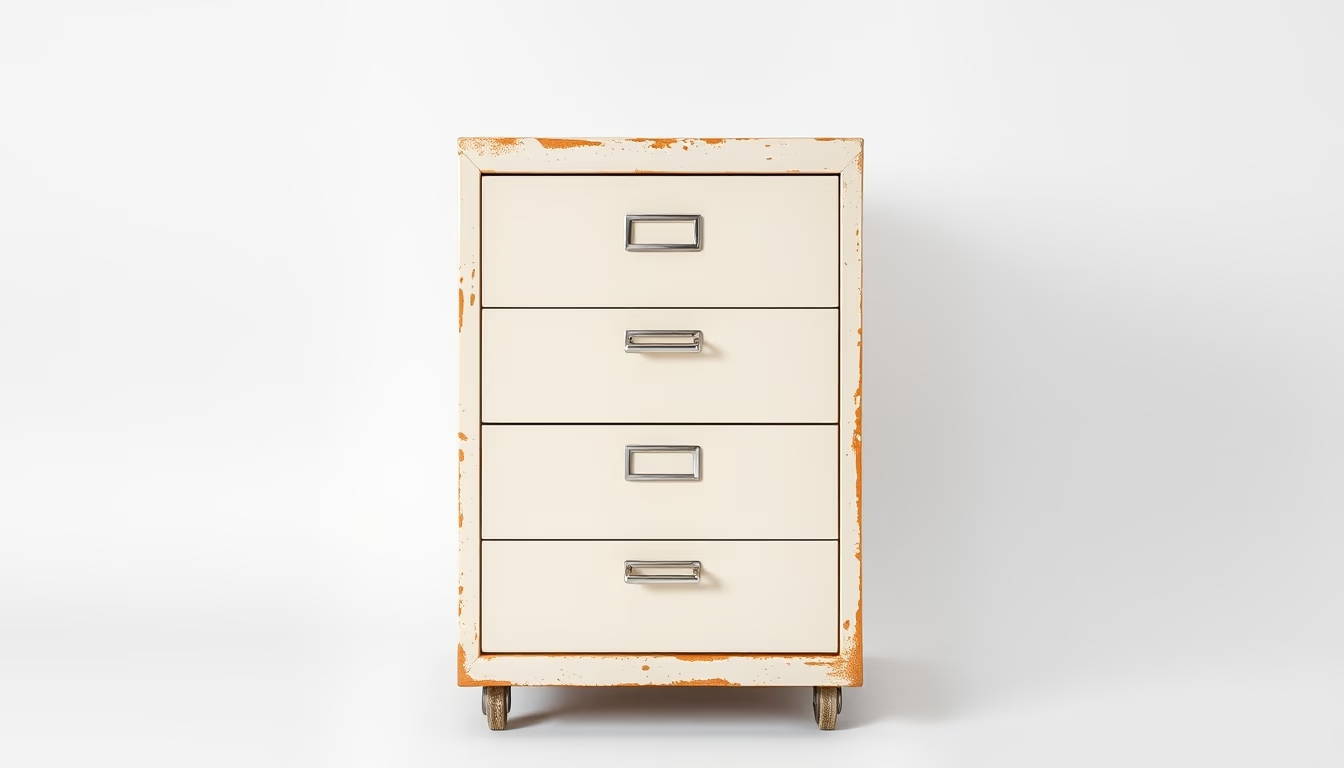
Filing cabinet vintage
1344×768 · AVIF · CC BY 4.0
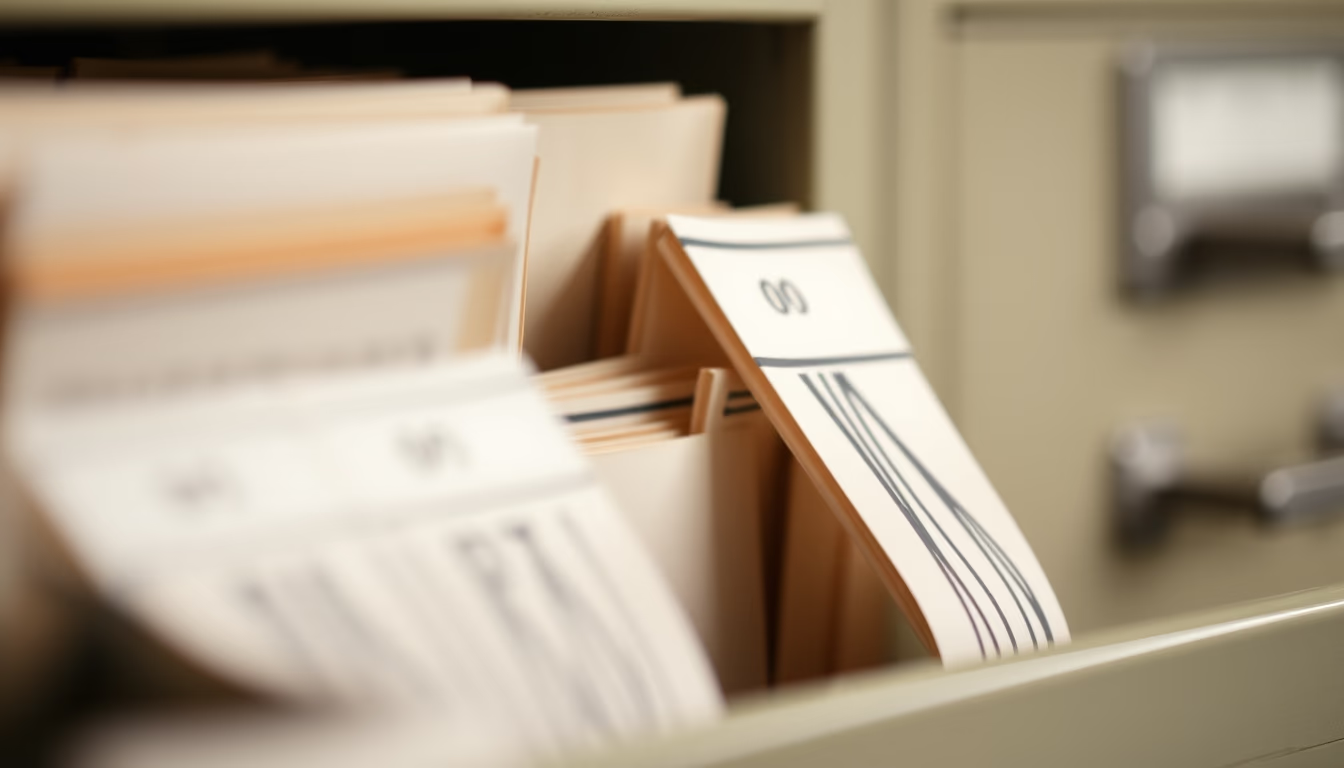
A vintage steel filing cabinet, witness to office evolution, combines functionality and retro design reminiscent of the golden age of business.
About this subject
The vintage steel filing cabinet traces its roots to the late 19th century, when the need to organize documents grew with business expansion. Edwin G. Seibels patented the first vertical file cabinet in 1898, revolutionizing paper storage. In the following decades, especially between 1920 and 1950, these pieces became ubiquitous in offices worldwide, made of enameled steel with metal handles and label holders.
The design reflects the aesthetics of the era: colors such as olive green, gray, light blue, and pastel shades; rounded corners that prevented accidents; and a wooden or Formica top serving as a work surface. Influenced by Art Deco and industrial design, they symbolized modernity and efficiency. Unlike contemporary plastic or cold-metal cabinets, vintage ones have an artisanal charm and robustness that make them collector's items.
Culturally, the vintage filing cabinet is an icon of modern bureaucracy, appearing in film noir, shows like Mad Men, and retro settings. It represents the transition from paper to digital and holds the memory of a time when every document had its exact place in a drawer. Today, its revival in interior design reflects a quest for authenticity and history, used as a decorative or functional piece in shops, studios, and homes. Restoring one requires care: sanding rust, applying primer, painting with synthetic enamel, and lubricating sliding mechanisms. The standard drawer height was designed for hanging folders, and pull or knob handles are hallmarks of old models.
Frequently Asked Questions
What makes a steel filing cabinet 'vintage'?
Features such as enameled steel, metal handles, pastel or olive green colors, rounded corners, and mid-20th-century design.
How can I identify the manufacturing date of a vintage filing cabinet?
By details like drawer pull type (handle or knob), paint finish, presence of a wooden top, and original manufacturer labels.
What is the best way to restore a vintage filing cabinet?
Sand the surface to remove rust, apply anti-corrosion primer, paint with synthetic enamel, and lubricate drawers with silicone or wax.
Direct URL
https://pub-c7d6a6ea828543ac903a74a341ccb2e1.r2.dev/imagens/filing-cabinet-vintage-macro-closeup-p2.avifHow to credit
Include a visible link back to UtilizAí. Copy one of the snippets below:
<a href="https://xn--utiliza-eza.com/en/midia/imagens/filing-cabinet-vintage-macro-closeup-p2">Filing cabinet vintage</a> by <a href="https://xn--utiliza-eza.com">UtilizAí</a>, licensed under <a href="https://creativecommons.org/licenses/by/4.0/">CC BY 4.0</a>.
[Filing cabinet vintage](https://xn--utiliza-eza.com/en/midia/imagens/filing-cabinet-vintage-macro-closeup-p2) by [UtilizAí](https://xn--utiliza-eza.com), CC BY 4.0
License: CC-BY-4.0