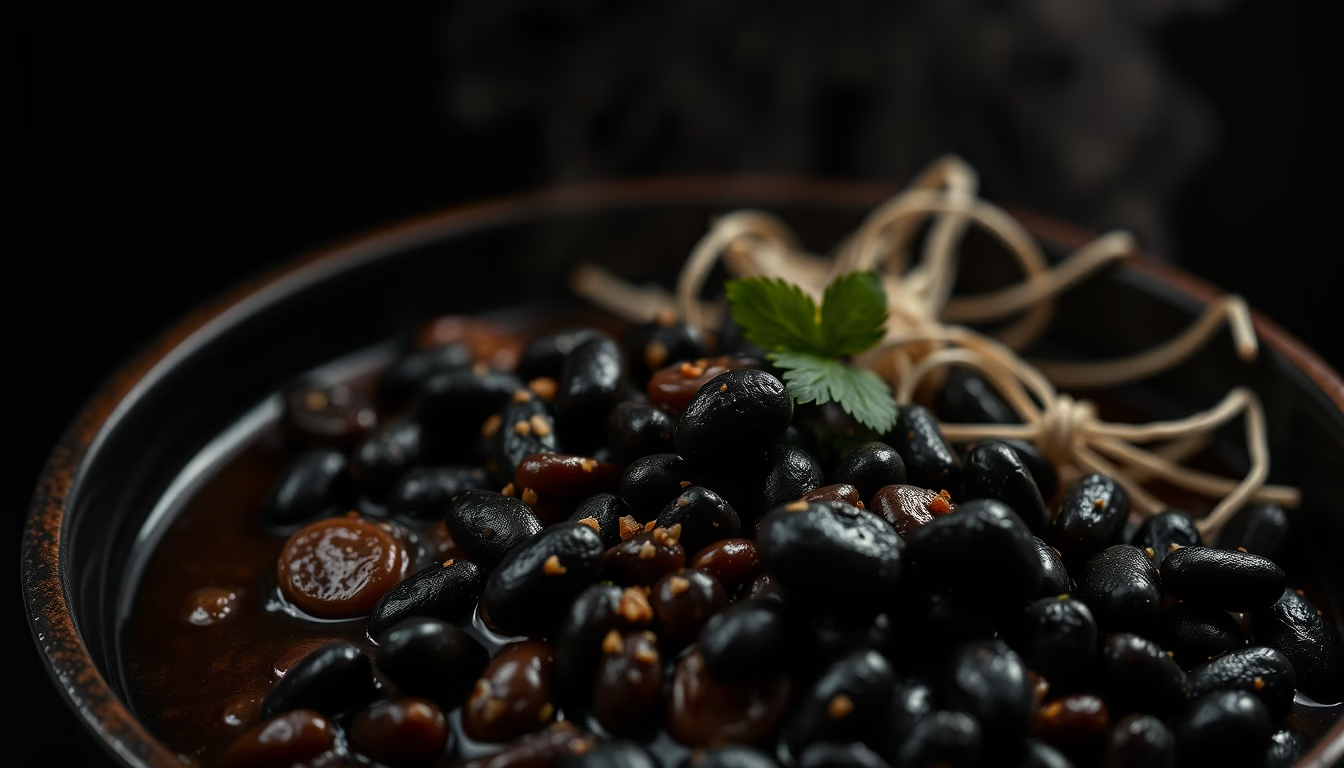
Feijoada brazilian black beans
1344×768 · AVIF · CC BY 4.0
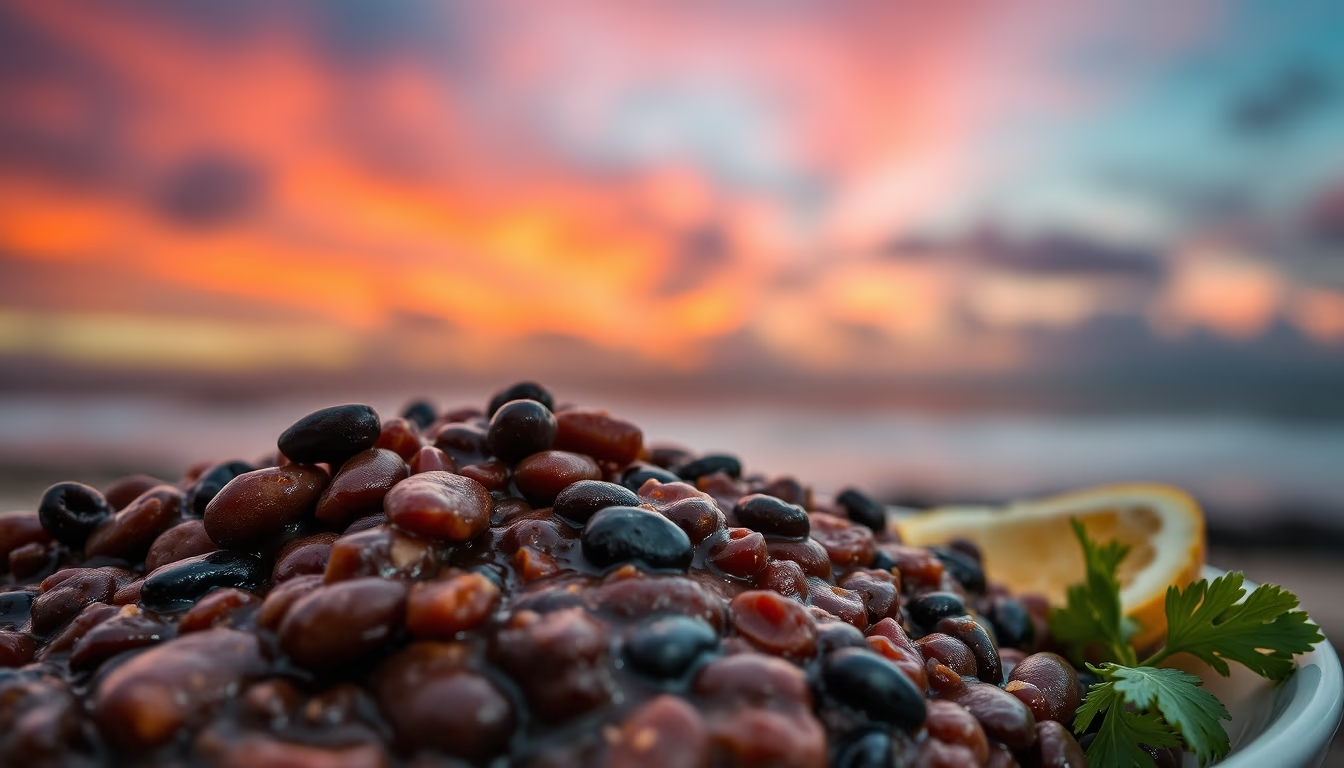
Feijoada, Brazil's national dish, is a hearty black bean and pork stew with deep cultural roots.
About this subject
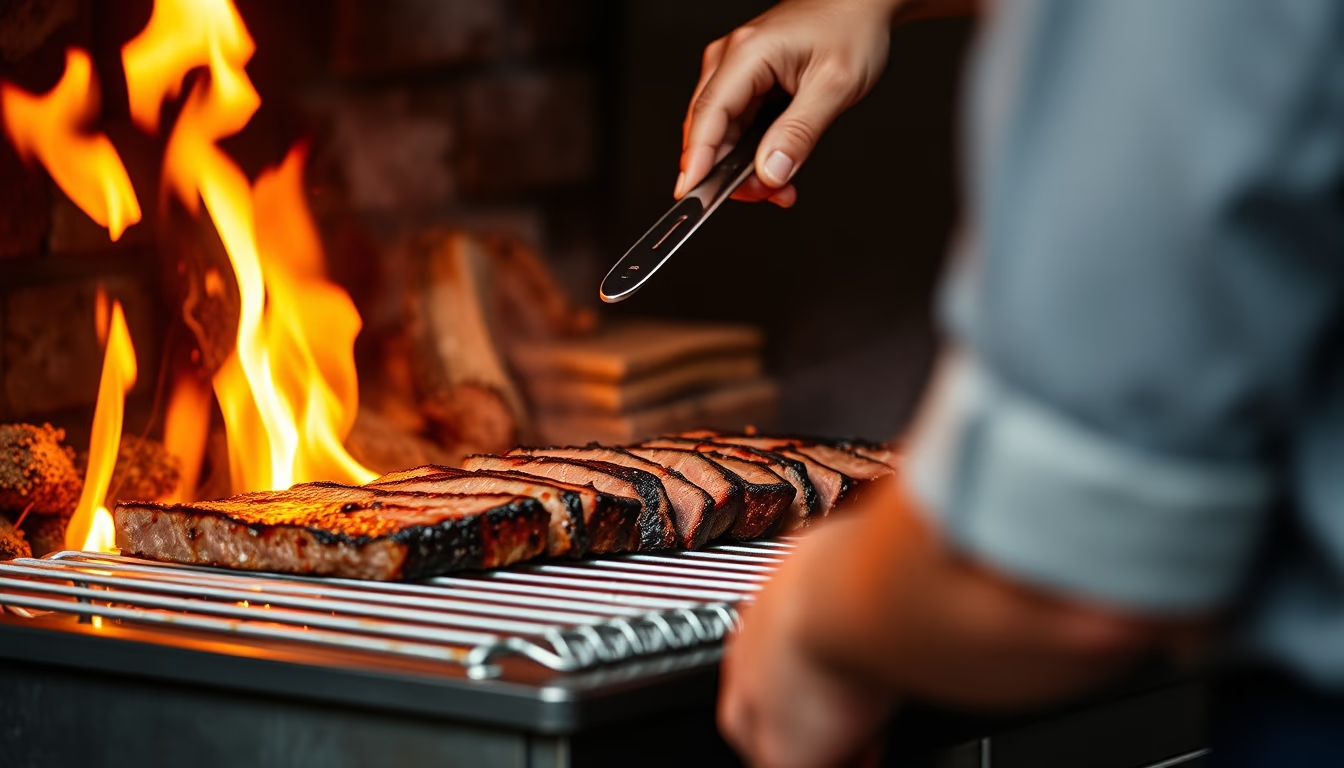
Feijoada is one of the most iconic dishes in Brazilian cuisine, recognized worldwide as the country's gastronomic symbol. Traditionally made with black beans and a variety of salted and smoked pork cuts, such as spare ribs, ears, tail, trotters, paio sausage, and linguica, the stew is simmered slowly until the flavors fully meld. Typical sides include white rice, sautéed collard greens, farofa (toasted cassava flour), crispy pork rinds, and orange slices, which help cut through the richness of the dish.
The origins of feijoada are debated among historians. The most widespread, though contested, version attributes its creation to slave quarters, where enslaved people used discarded pork parts from the plantation owners, cooking them with beans. Other scholars point to influences from Portuguese, African, and Indigenous cuisines, citing similar dishes like French cassoulet and Portuguese cozido. Nineteenth-century records show feijoada was already consumed in manor houses and restaurants in Rio de Janeiro, adapted to local tastes.
Today, feijoada is served across Brazil, with notable regional variations. In the Northeast, green or mulatto beans replace black beans, while in Rio de Janeiro and São Paulo, the black bean and premium cut version is most popular. The dish is traditionally eaten on Wednesdays and Saturdays, becoming a social event that brings family and friends together. Paired with a caipirinha or cold beer, feijoada celebrates Brazilian identity through food.
Frequently Asked Questions
What is the origin of feijoada?
The most popular origin story traces feijoada to slave quarters in colonial Brazil, but historians note influences from Portuguese and African cuisines. The first written record dates from 1833 in Rio de Janeiro.
What are the traditional side dishes for feijoada?
White rice, sautéed collard greens, farofa (toasted cassava flour), pork cracklings, and orange slices are classic. Vinaigrette and hot sauce are also common.
Why is feijoada typically eaten on Wednesdays and Saturdays?
The tradition started in 20th-century Rio de Janeiro, as restaurants served the heavy dish on those days to prepare workers for the weekend. It is now a nationwide custom.
Direct URL
https://pub-c7d6a6ea828543ac903a74a341ccb2e1.r2.dev/imagens/feijoada-brazilian-black-beans-long-exposure-fresh2.avifHow to credit
Include a visible link back to UtilizAí. Copy one of the snippets below:
<a href="https://xn--utiliza-eza.com/en/midia/imagens/feijoada-brazilian-black-beans-long-exposure-fresh2">Feijoada brazilian black beans</a> by <a href="https://xn--utiliza-eza.com">UtilizAí</a>, licensed under <a href="https://creativecommons.org/licenses/by/4.0/">CC BY 4.0</a>.
[Feijoada brazilian black beans](https://xn--utiliza-eza.com/en/midia/imagens/feijoada-brazilian-black-beans-long-exposure-fresh2) by [UtilizAí](https://xn--utiliza-eza.com), CC BY 4.0
License: CC-BY-4.0