Family planning savings at the dining table
1344×768 · AVIF · CC BY 4.0
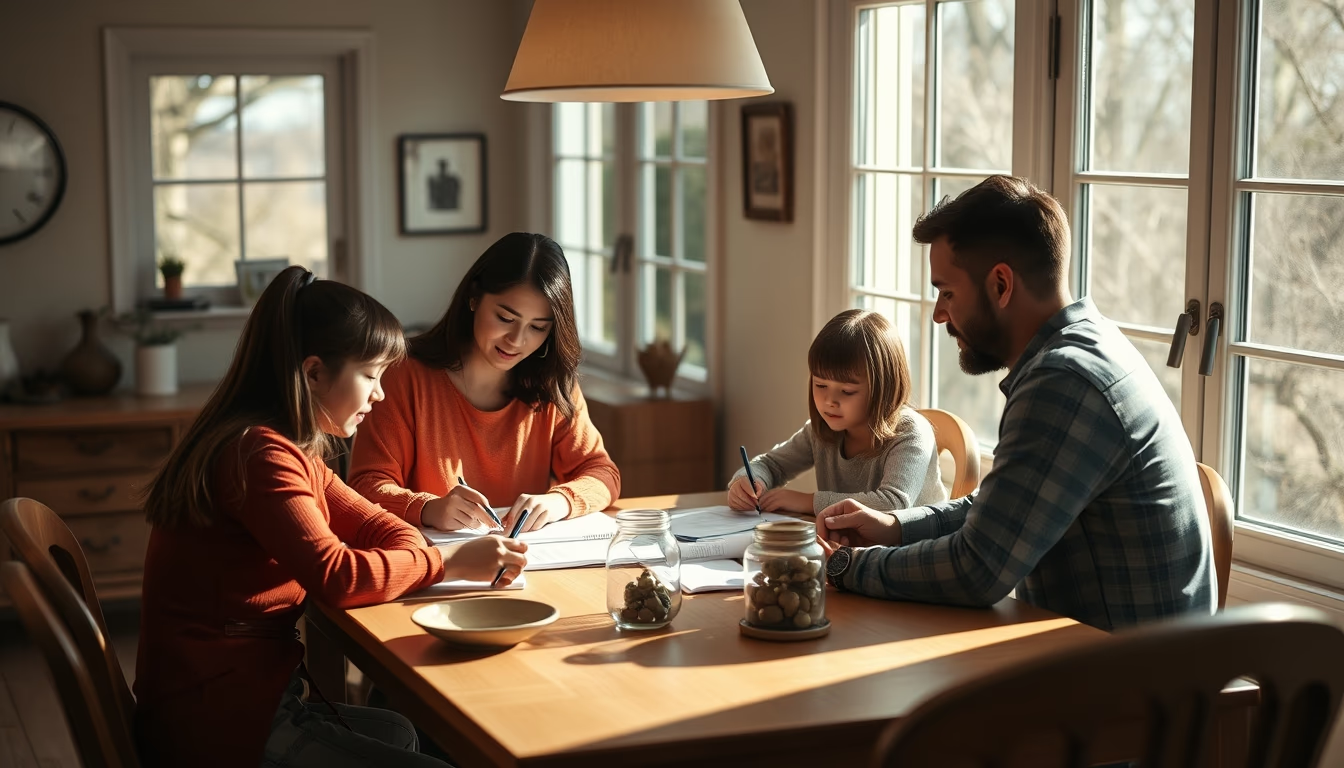
Family financial planning at the breakfast table: a couple reviews household budget with spreadsheets and calculator.
About this subject
The habit of reviewing household finances over breakfast is a growing practice among Brazilians seeking greater control over spending and investments. According to IBGE data, over 60% of Brazilian families carry some form of debt, making financial education a priority to prevent over-indebtedness. Images like this depict a common moment in organized homes: a couple uses printed or digital spreadsheets to categorize monthly expenses such as food, housing, and leisure, while discussing short and long-term goals like an emergency fund or buying a home.
The choice of a dining room or kitchen setting is not random. Behavioral finance studies indicate that informal environments associated with meals facilitate less tense conversations about money, promoting greater engagement from all family members. Additionally, the presence of a calculator and handwritten notes suggests a hybrid control method, combining technology with the traditional habit of manual expense tracking, which can enhance financial information retention.
In the Brazilian context, family savings face challenges such as inflation and economic volatility. Practices like zero-based budgeting, where every real is allocated to a specific category, have gained followers. Experts recommend weekly financial reviews rather than monthly ones to avoid surprises. The image symbolizes this awareness movement, which became especially relevant after the pandemic, when many Brazilians rediscovered the importance of having a financial reserve for emergencies.
Interestingly, the term "poupança" (savings) in Brazil is often associated with the savings account, but modern planning involves diversification into investments like CDBs, Tesouro Direto, and fixed-income funds. The scene of a couple at the table reflects the transition from a passive savings culture to active resource management, where information and discipline are as important as the amount saved.
Frequently Asked Questions
Why is it important to review the family budget regularly?
Regular budget reviews help identify unnecessary expenses, adjust savings goals, and avoid debt. Experts recommend doing this weekly to maintain financial control.
What tools are useful for household financial planning?
Electronic spreadsheets (Excel, Google Sheets), financial management apps (like Mint or YNAB), and even physical notebooks are effective. The key is to choose a method the family can consistently maintain.
How can you involve the whole family in financial discussions?
Creating an open, non-judgmental environment, setting collective goals (like a trip or purchase), and holding short weekly meetings, preferably during meals, can increase everyone's engagement.
Direct URL
https://pub-c7d6a6ea828543ac903a74a341ccb2e1.r2.dev/imagens/family-planning-savings-at-the-dining-table-documentary-morning-3.avifHow to credit
Include a visible link back to UtilizAí. Copy one of the snippets below:
<a href="https://xn--utiliza-eza.com/en/midia/imagens/family-planning-savings-at-the-dining-table-documentary-morning-3">Family planning savings at the dining table</a> by <a href="https://xn--utiliza-eza.com">UtilizAí</a>, licensed under <a href="https://creativecommons.org/licenses/by/4.0/">CC BY 4.0</a>.
[Family planning savings at the dining table](https://xn--utiliza-eza.com/en/midia/imagens/family-planning-savings-at-the-dining-table-documentary-morning-3) by [UtilizAí](https://xn--utiliza-eza.com), CC BY 4.0
License: CC-BY-4.0
Tags
Related images
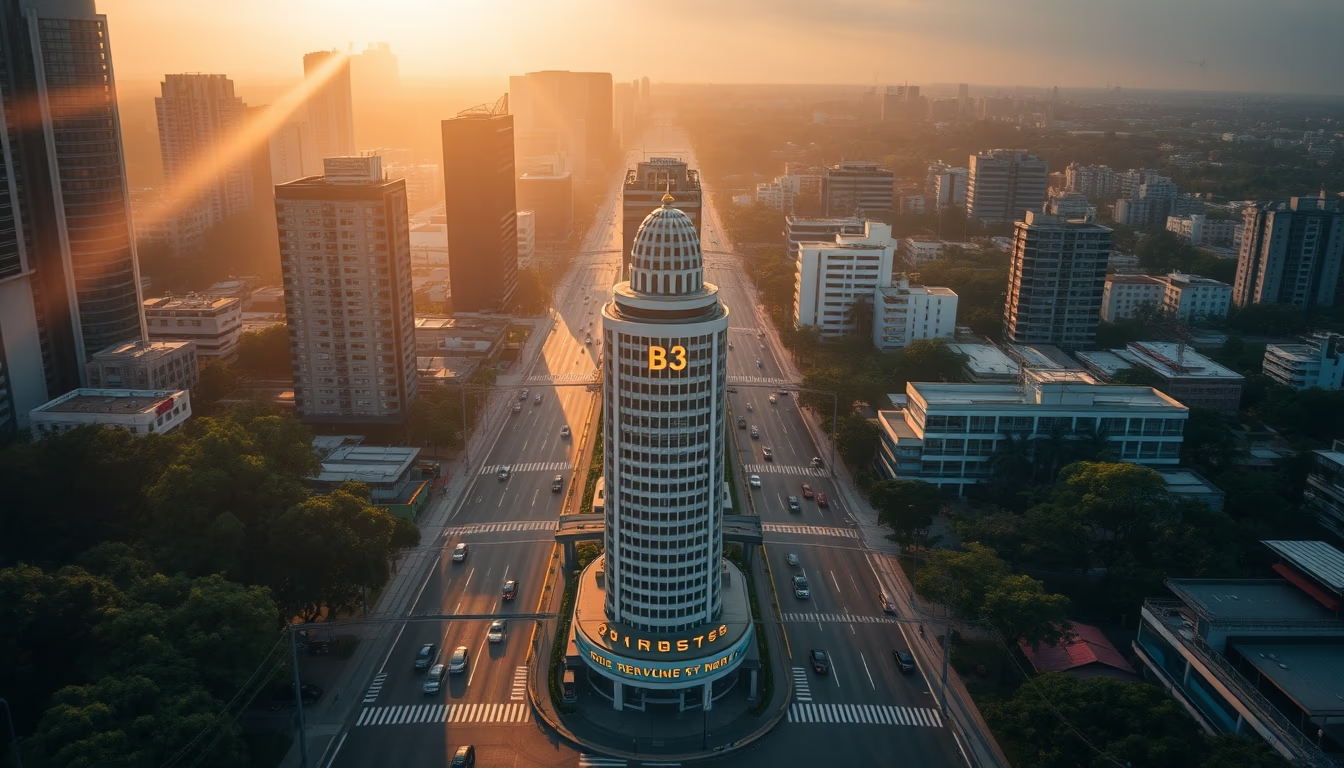 Aerial view of São Paulo financial district at golden hour with B3 building
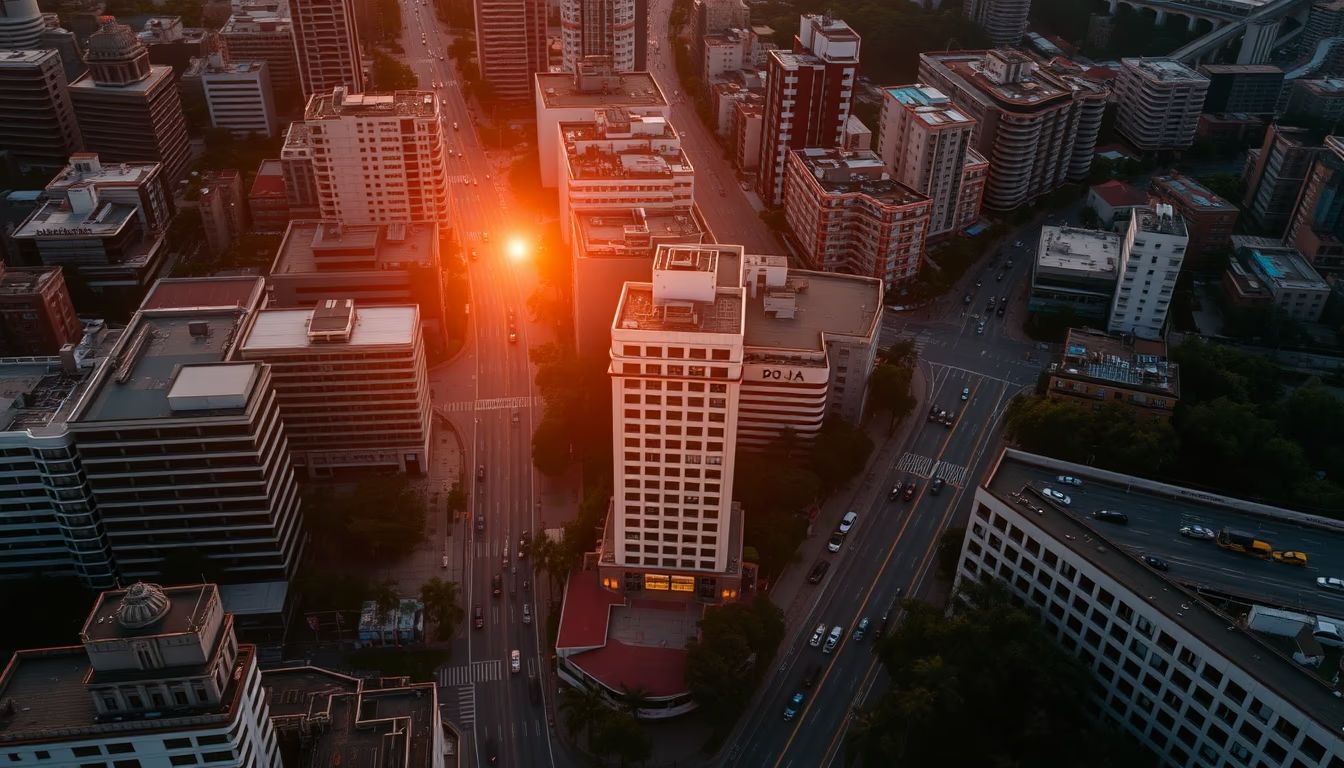 Aerial view of São Paulo financial district at golden hour with B3 building
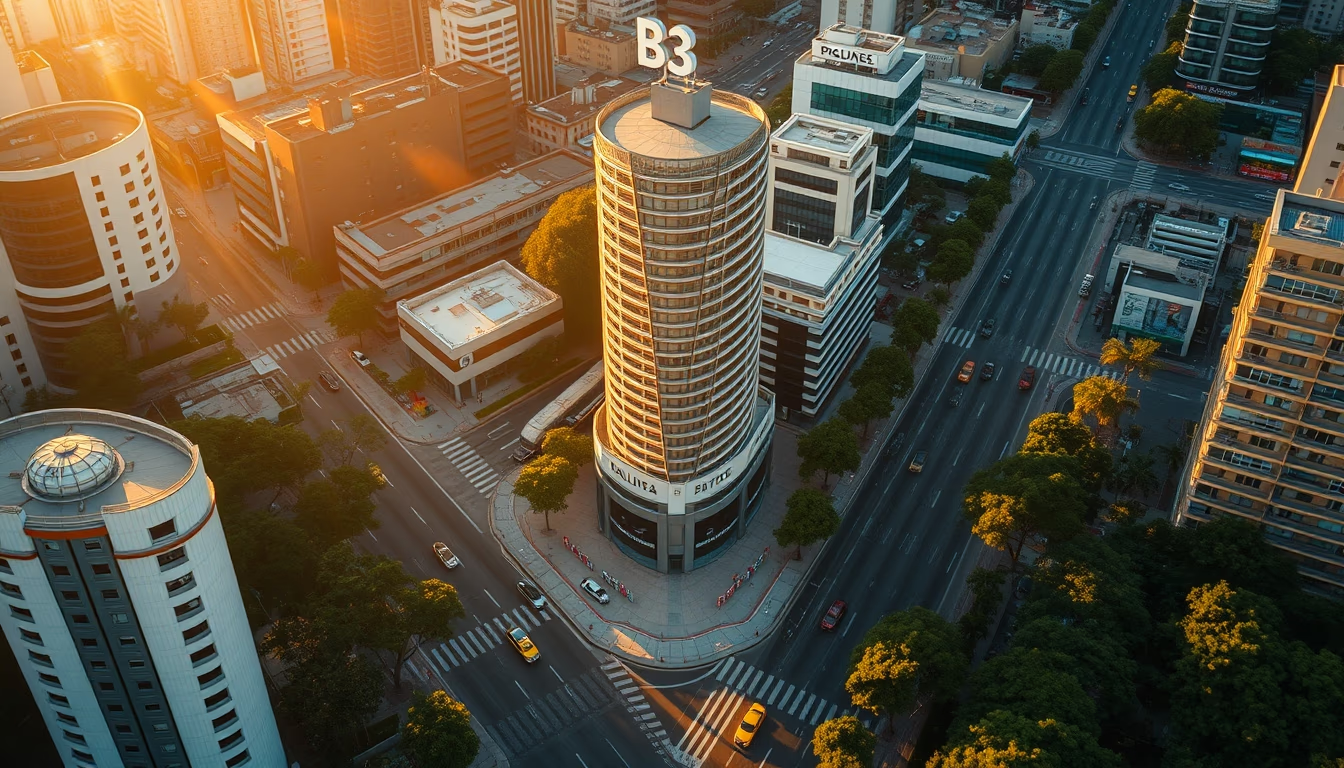 Aerial view of São Paulo financial district at golden hour with B3 building
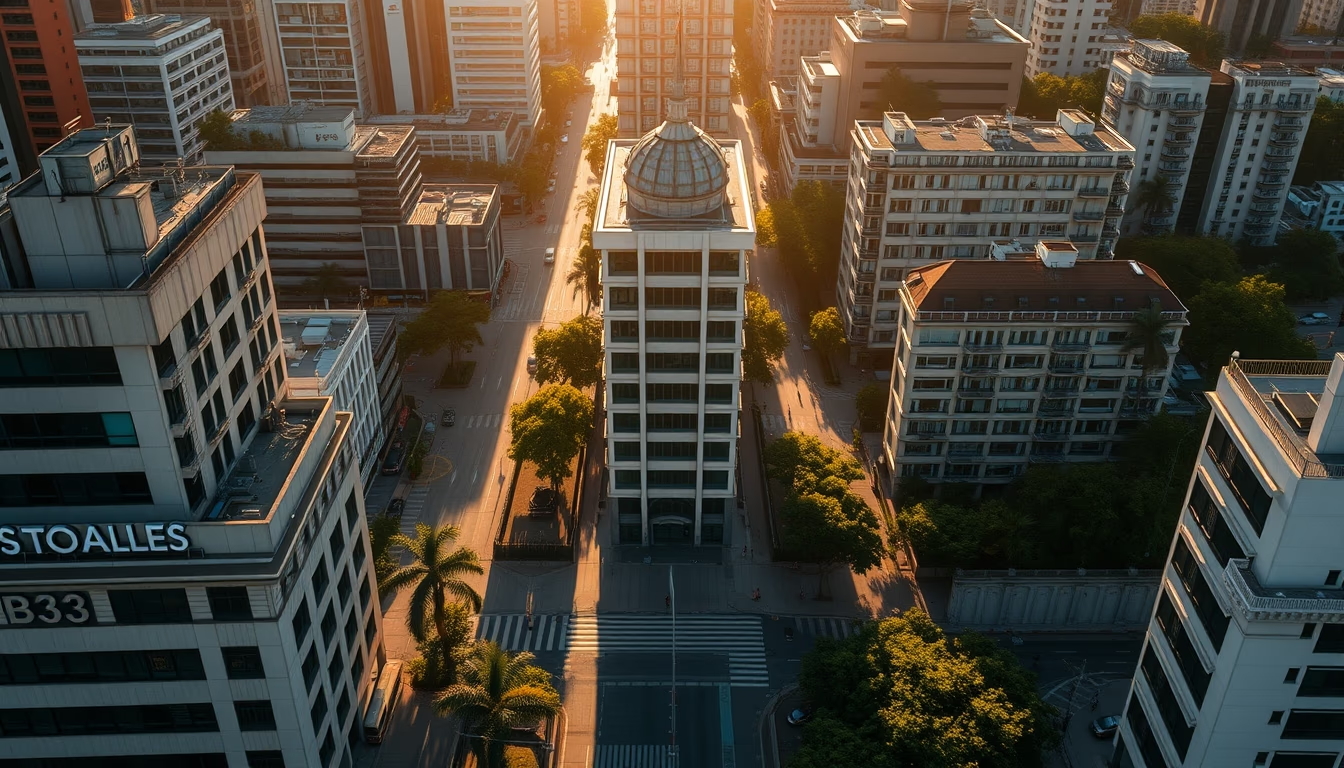 Aerial view of São Paulo financial district at golden hour with B3 building
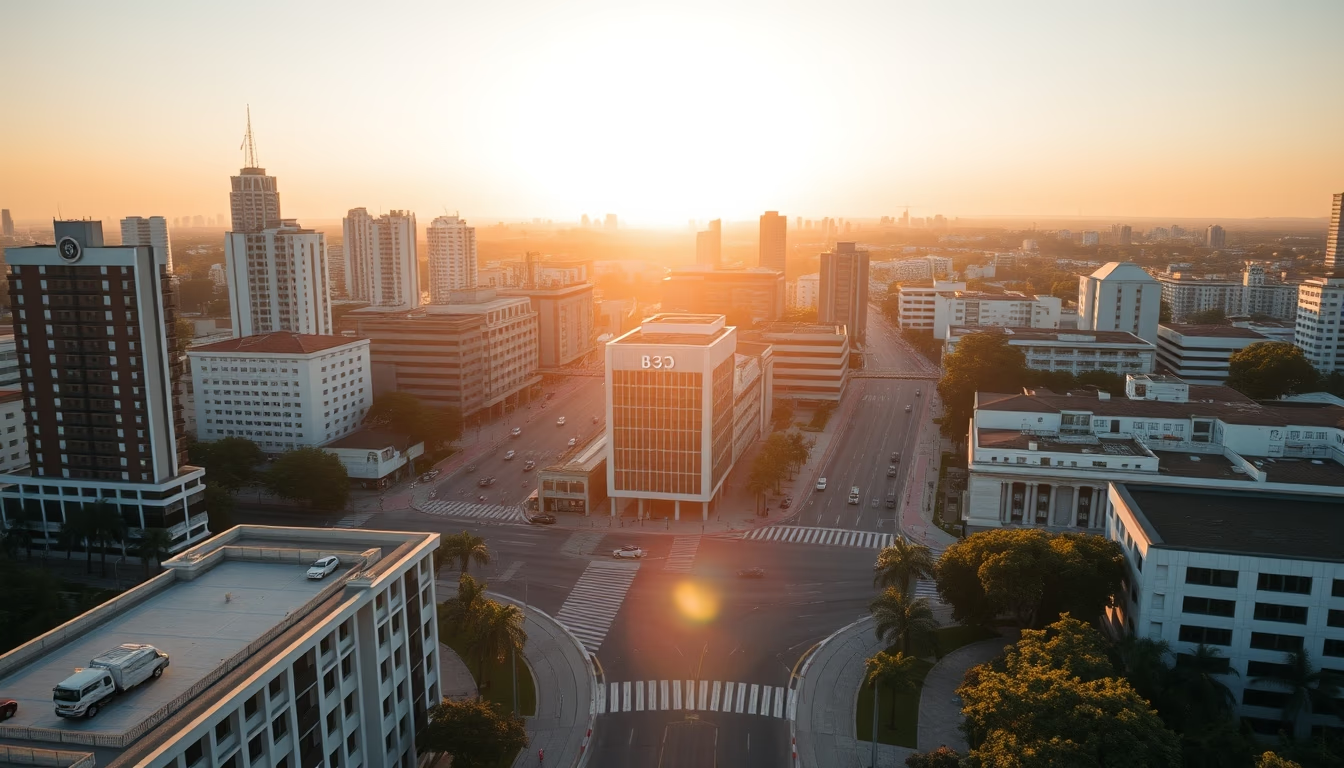 Aerial view of São Paulo financial district at golden hour with B3 building
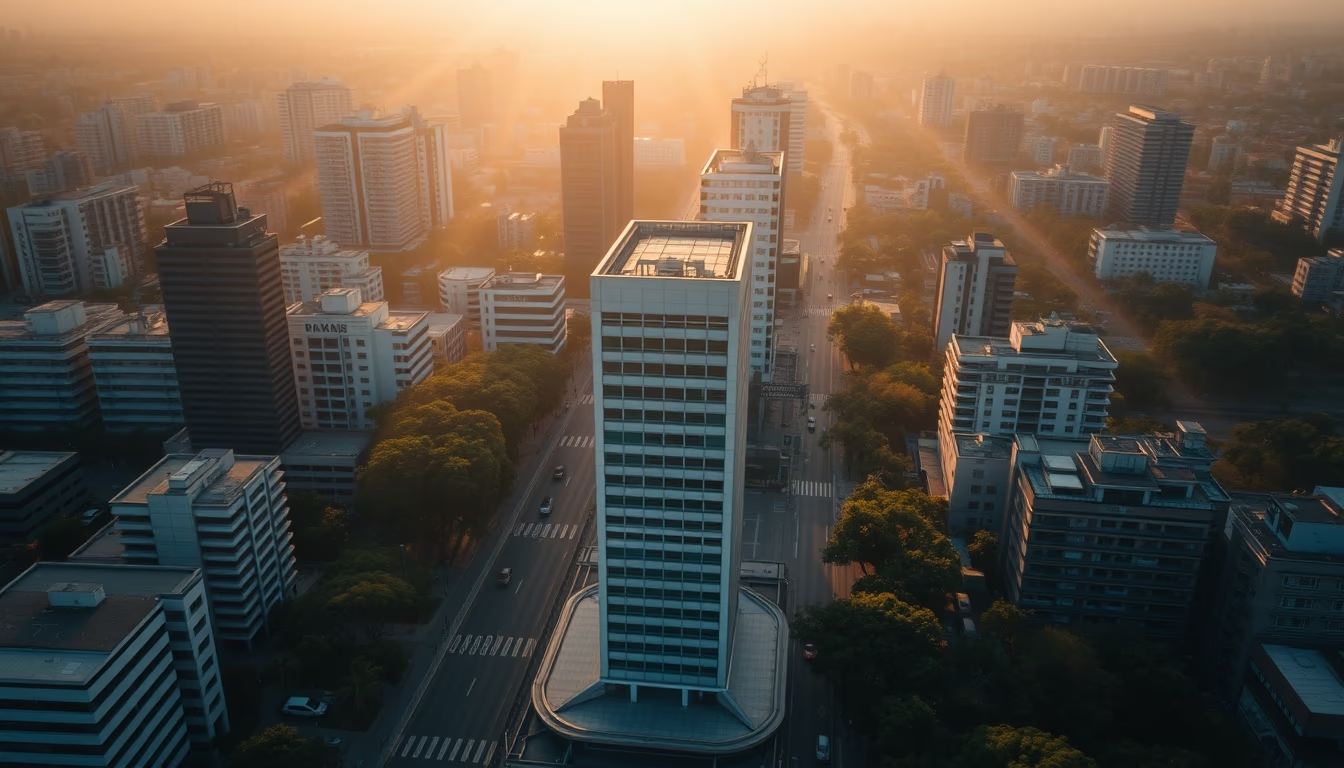 Aerial view of São Paulo financial district at golden hour with B3 building