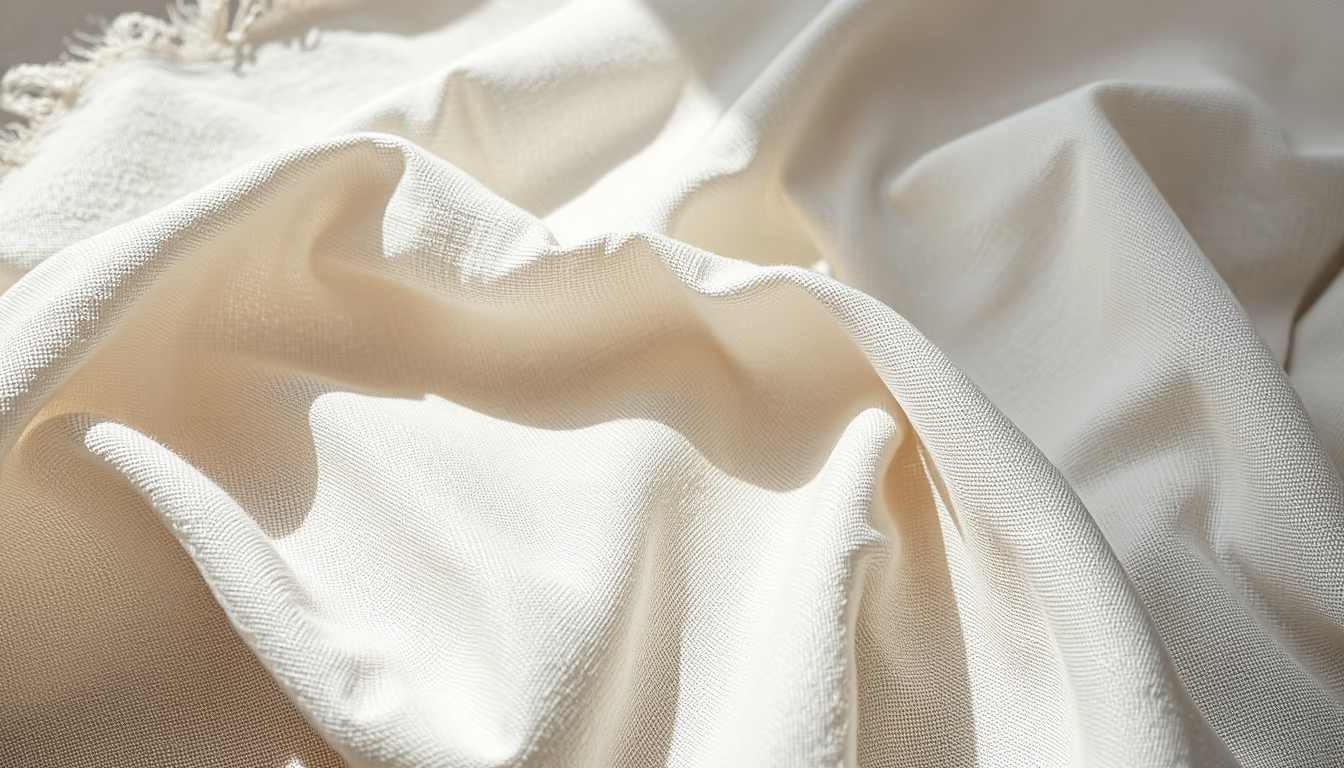
Fabric texture linen
1344×768 · AVIF · CC BY 4.0
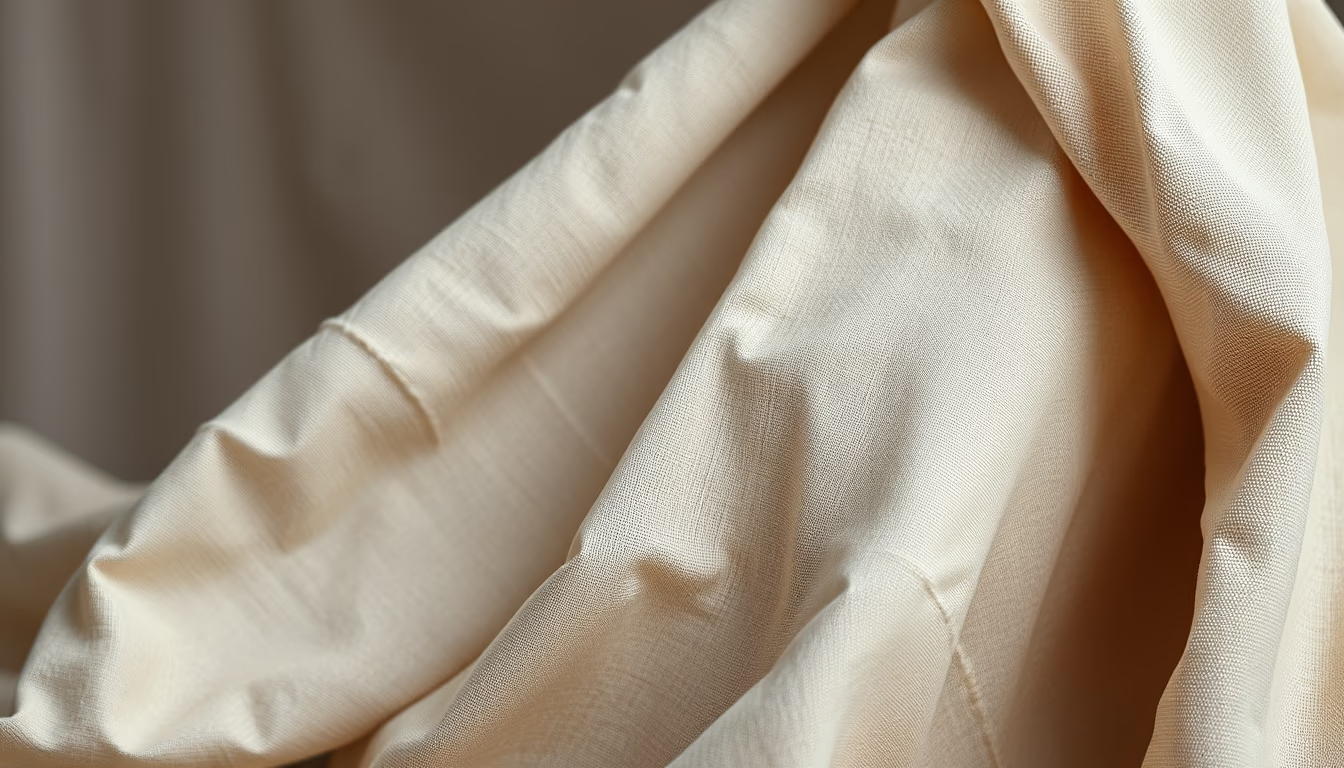
Linen is a natural fiber derived from the flax plant, valued for its rustic texture and breathability, making it perfect for warm climates.
About this subject
Linen is one of the oldest textile fibers, with archaeological evidence of its use dating back over 30,000 years in present-day Georgia. Derived from the stem of the flax plant (Linum usitatissimum), linen undergoes a retting process to separate the fibers, which are then spun and woven. Its uneven, slightly coarse texture is a hallmark, resulting from the natural fiber structure. Unlike cotton, linen has low elasticity but high moisture absorption, making it cooling and quick-drying.
Flax cultivation is concentrated in temperate climates, such as northern France (Normandy), Belgium, and the Netherlands, which account for about 80% of global production. The plant requires well-drained soil and often manual harvesting, driving up costs. Linen is prized for its durability: linen garments can last decades with proper care, and their texture softens with use and washing.
In Brazil, linen is associated with summer clothing and sophisticated home décor, though it is not produced locally on a large scale. As a biodegradable fiber with lower environmental impact (less irrigation than cotton), linen has gained prominence in sustainable fashion. Its natural texture, with slight irregularities and slubs, is appreciated as an aesthetic feature, often imitated by other fabrics but never matched in terms of breathability and thermal comfort.
Frequently Asked Questions
How to care for linen clothes to maintain their texture?
Wash linen in cold or warm water with mild detergent, and avoid wringing to prevent fiber distortion. Iron while still damp to enhance the natural texture. Do not use bleach.
Does linen shrink after washing?
Yes, linen can shrink up to 5% in the first wash, especially when exposed to heat. Many manufacturers pre-wash the fabric. Always follow the care label instructions.
What is the difference between linen and cotton?
Linen is stronger, less elastic, and more absorbent than cotton, making it cooler in warm climates. Cotton feels softer to the touch and shrinks less.
Direct URL
https://pub-c7d6a6ea828543ac903a74a341ccb2e1.r2.dev/imagens/fabric-texture-linen-studio-editorial-portrait-p2.avifHow to credit
Include a visible link back to UtilizAí. Copy one of the snippets below:
<a href="https://xn--utiliza-eza.com/en/midia/imagens/fabric-texture-linen-studio-editorial-portrait-p2">Fabric texture linen</a> by <a href="https://xn--utiliza-eza.com">UtilizAí</a>, licensed under <a href="https://creativecommons.org/licenses/by/4.0/">CC BY 4.0</a>.
[Fabric texture linen](https://xn--utiliza-eza.com/en/midia/imagens/fabric-texture-linen-studio-editorial-portrait-p2) by [UtilizAí](https://xn--utiliza-eza.com), CC BY 4.0
License: CC-BY-4.0