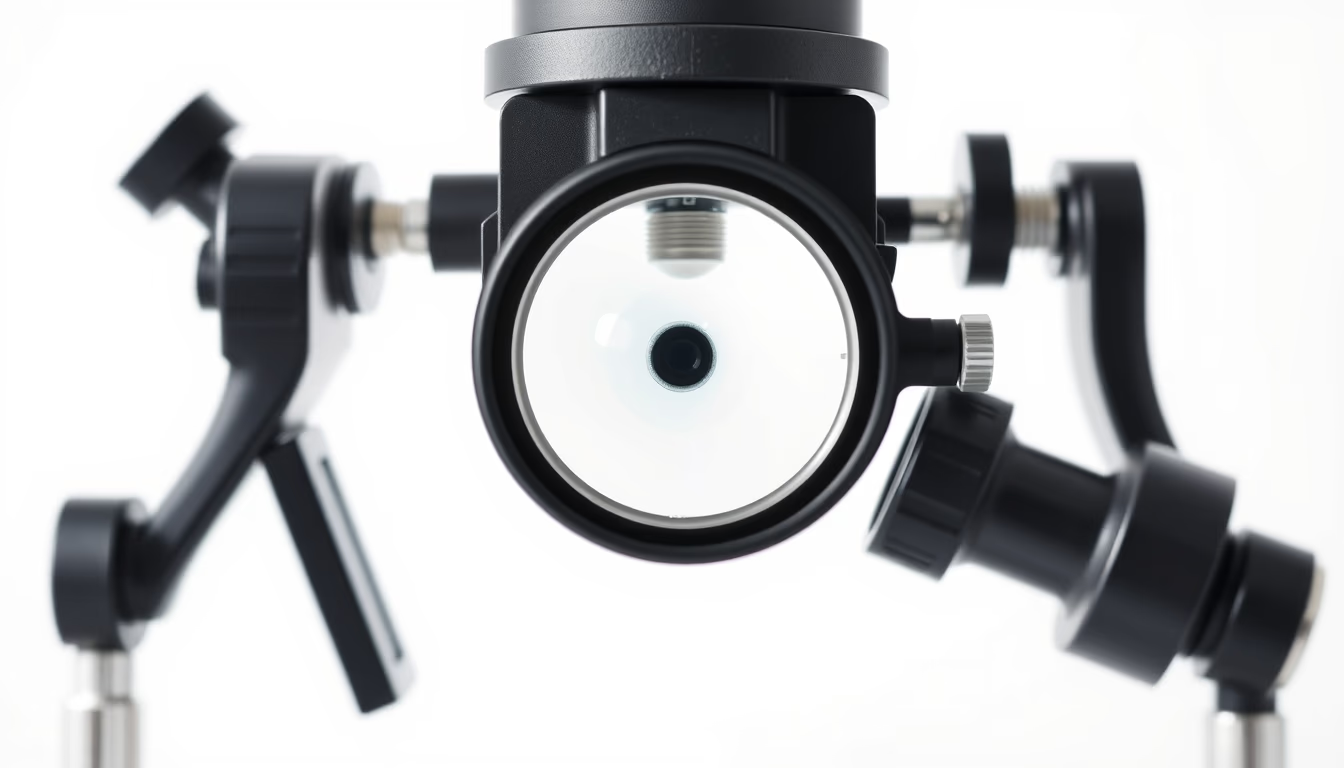
Eye exam phoropter
1344×768 · AVIF · CC BY 4.0
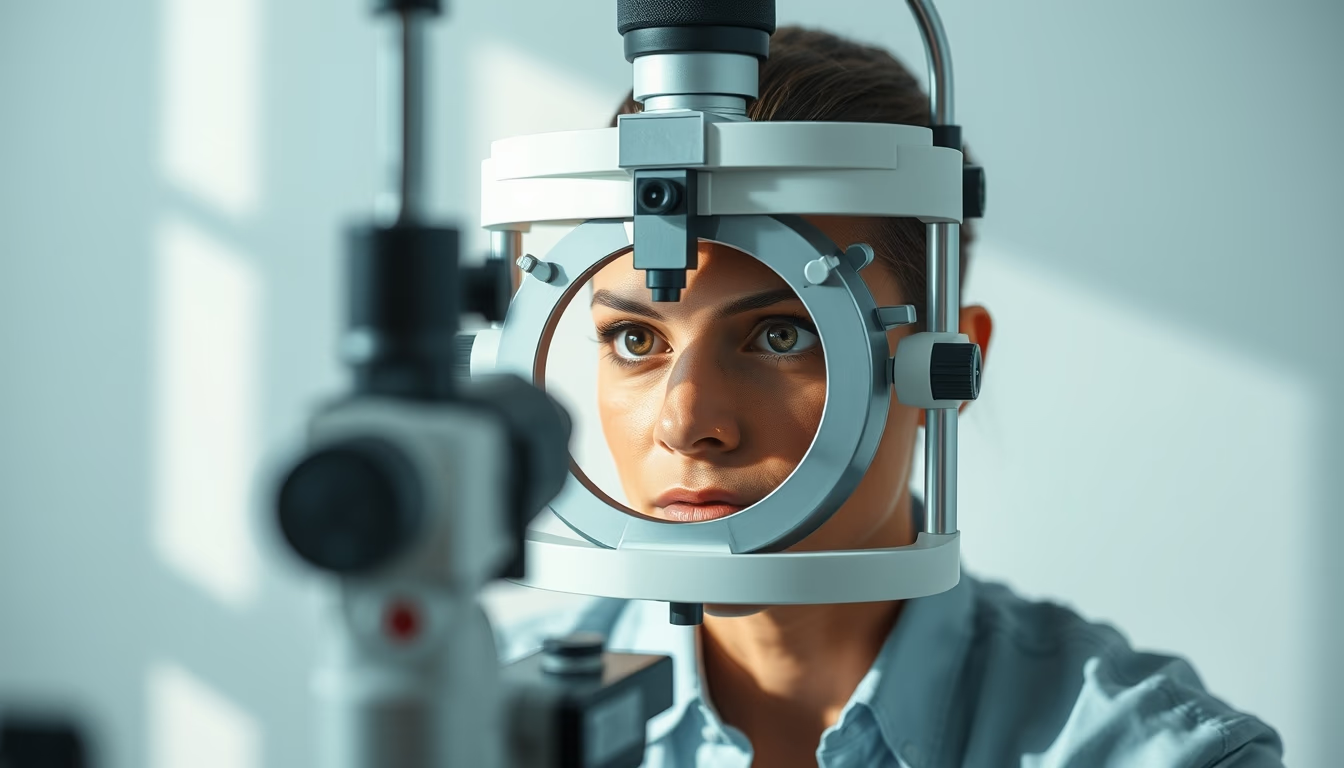
Learn how the phoropter works, an essential instrument for measuring eyeglass prescription and diagnosing vision problems.
About this subject
The phoropter, also known as a refractor, is a central piece of equipment in ophthalmology and optometry offices. It allows the professional to test different lenses in front of the patient's eyes quickly and in a controlled manner, determining the ideal correction for myopia, hyperopia, astigmatism, and presbyopia. The device has rotating disks with lenses of different powers and cylinders, as well as filters and occluders.
The history of the phoropter dates back to the early 20th century, with innovations by optometrists such as Henry L. De Zeng and John R. Gregg. Before its popularization, exams were performed using manual trial frames, which required manual lens changes, a slower process prone to errors. The modern phoropter standardized the refraction test, increasing accuracy and efficiency. Current models are integrated with computerized systems, allowing digital records and automated adjustments.
In Brazil, the phoropter is mandatory equipment in ophthalmology clinics. During the exam, the patient sits facing the device with their chin supported. The professional adjusts the lenses while the patient reports which option improves clarity (“lens 1 or lens 2?”). This subjective method, combined with objective refraction from the autorefractor, ensures the most accurate prescription. It is worth noting that the phoropter not only measures the degree but also aids in detecting conditions such as cataracts or keratoconus through the reported visual quality.
Frequently Asked Questions
What is the difference between a phoropter and an autorefractor?
An autorefractor measures the eye's refractive error objectively without patient input, while the phoropter is used in subjective testing where the patient compares lenses to refine the prescription.
Does the phoropter exam hurt?
No, the exam is painless. The patient only needs to keep their chin supported and answer the professional's questions about image clarity.
How long does a refraction exam with a phoropter take?
It typically takes 10 to 20 minutes, depending on the complexity of the case and patient cooperation.
Direct URL
https://pub-c7d6a6ea828543ac903a74a341ccb2e1.r2.dev/imagens/eye-exam-phoropter-magazine-editorial-p5.avifHow to credit
Include a visible link back to UtilizAí. Copy one of the snippets below:
<a href="https://xn--utiliza-eza.com/en/midia/imagens/eye-exam-phoropter-magazine-editorial-p5">Eye exam phoropter</a> by <a href="https://xn--utiliza-eza.com">UtilizAí</a>, licensed under <a href="https://creativecommons.org/licenses/by/4.0/">CC BY 4.0</a>.
[Eye exam phoropter](https://xn--utiliza-eza.com/en/midia/imagens/eye-exam-phoropter-magazine-editorial-p5) by [UtilizAí](https://xn--utiliza-eza.com), CC BY 4.0
License: CC-BY-4.0