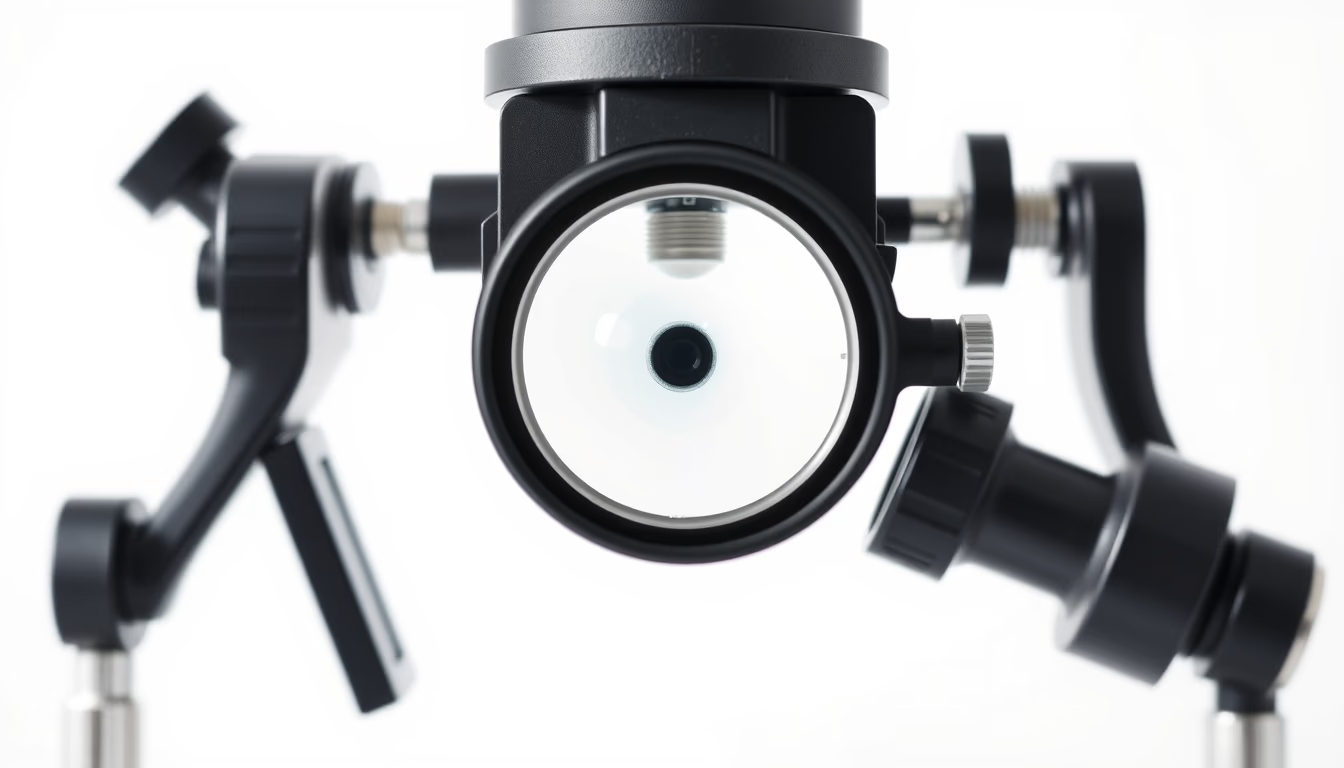
Eye exam phoropter
1344×768 · AVIF · CC BY 4.0
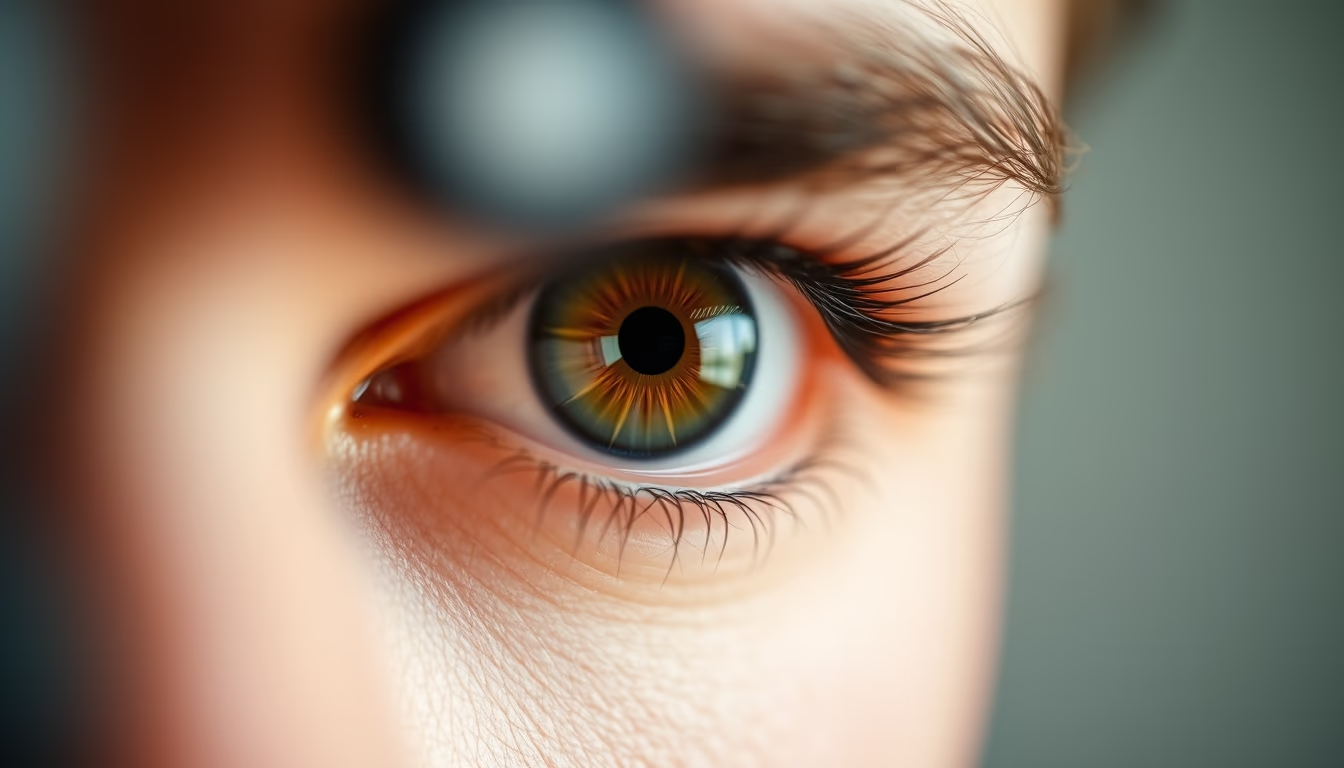
The phoropter, also known as a refractor, is the essential device used by ophthalmologists to measure refractive errors of the eyes.
About this subject
The phoropter is a sophisticated instrument that replaced the old sets of loose trial lenses in eye care clinics. It allows the doctor to quickly change different lenses and prisms in front of the patient's eyes while the patient assesses visual clarity by reading an optometric chart. This process determines the exact prescription for glasses or contact lenses, correcting myopia, hyperopia, astigmatism, and presbyopia.
Invented in the late 19th century, the modern phoropter evolved from the work of pioneers such as Edward Jackson and Charles Prentice. Today, some devices incorporate digital technology, such as automated phoropters that communicate with computers to speed up the exam. However, the manual model with rotating lens discs is still widely used, especially in smaller clinics around the world.
The phoropter's precision is critical for patient quality of life. A 0.25 diopter error can cause visual discomfort. Therefore, ophthalmologists train for years to master refraction technique, which requires clear communication with the patient and careful interpretation of responses. In the United States, the American Academy of Ophthalmology recommends periodic exams and considers the phoropter the gold standard for safe prescriptions.
Interestingly, the name phoropter comes from Greek, meaning “light bearer,” referring to its ability to direct light correctly onto the retina. Moreover, many patients recognize the device as “that lens mask” the doctor uses during the eye exam.
Frequently Asked Questions
What is the purpose of the phoropter during an eye exam?
The phoropter measures the required corrective power for each eye by testing different lens combinations until it finds the one that provides the sharpest vision, defining the prescription for glasses or contact lenses.
Is a manual phoropter better than an automated one?
Both have advantages. The manual is more rugged and allows fine adjustments by the doctor, while the automated one speeds up the process and reduces exam time. The effectiveness depends on the professional's experience.
How does the phoropter help diagnose astigmatism?
The phoropter has cylindrical lenses that can be rotated at different axes. By asking the patient which orientation improves vision, the doctor identifies the axis of astigmatism and the required power.
Direct URL
https://pub-c7d6a6ea828543ac903a74a341ccb2e1.r2.dev/imagens/eye-exam-phoropter-macro-closeup-p2.avifHow to credit
Include a visible link back to UtilizAí. Copy one of the snippets below:
<a href="https://xn--utiliza-eza.com/en/midia/imagens/eye-exam-phoropter-macro-closeup-p2">Eye exam phoropter</a> by <a href="https://xn--utiliza-eza.com">UtilizAí</a>, licensed under <a href="https://creativecommons.org/licenses/by/4.0/">CC BY 4.0</a>.
[Eye exam phoropter](https://xn--utiliza-eza.com/en/midia/imagens/eye-exam-phoropter-macro-closeup-p2) by [UtilizAí](https://xn--utiliza-eza.com), CC BY 4.0
License: CC-BY-4.0