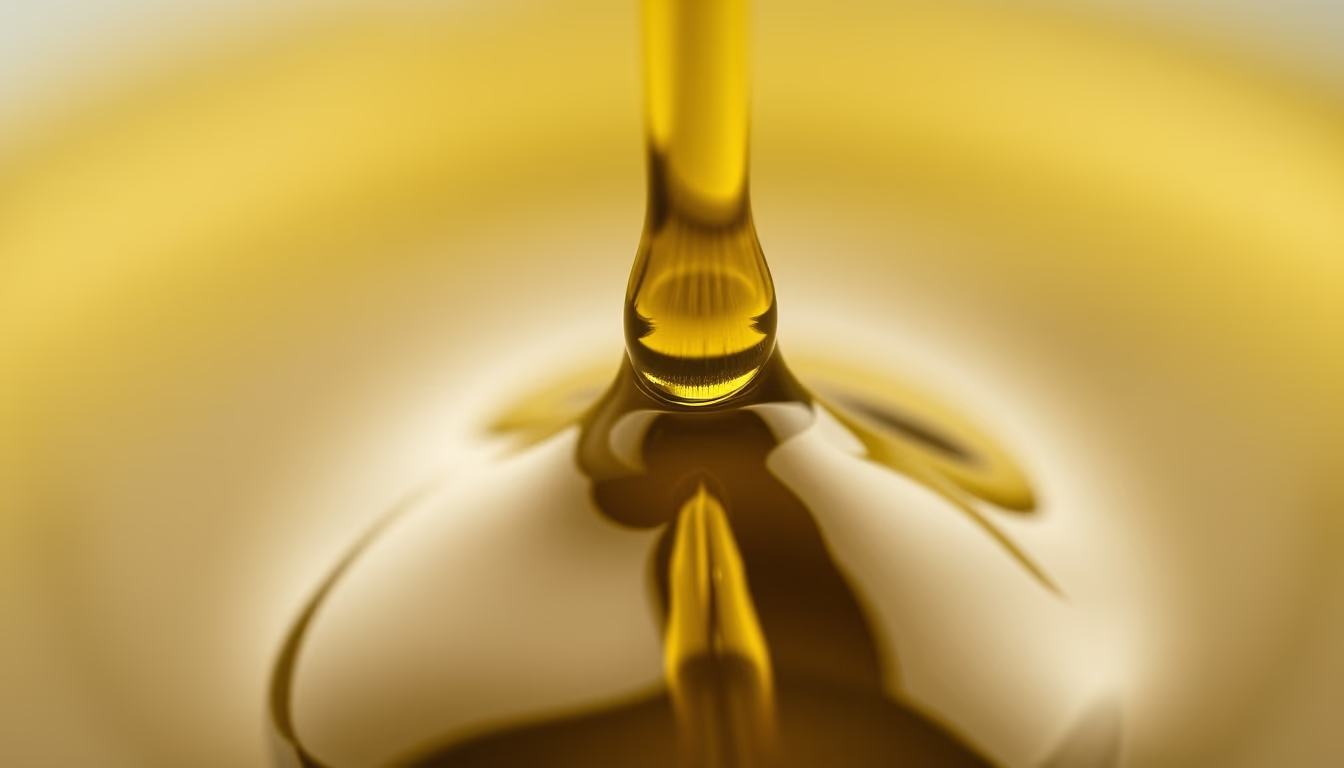
Extra virgin olive oil bottle
1344×768 · AVIF · CC BY 4.0
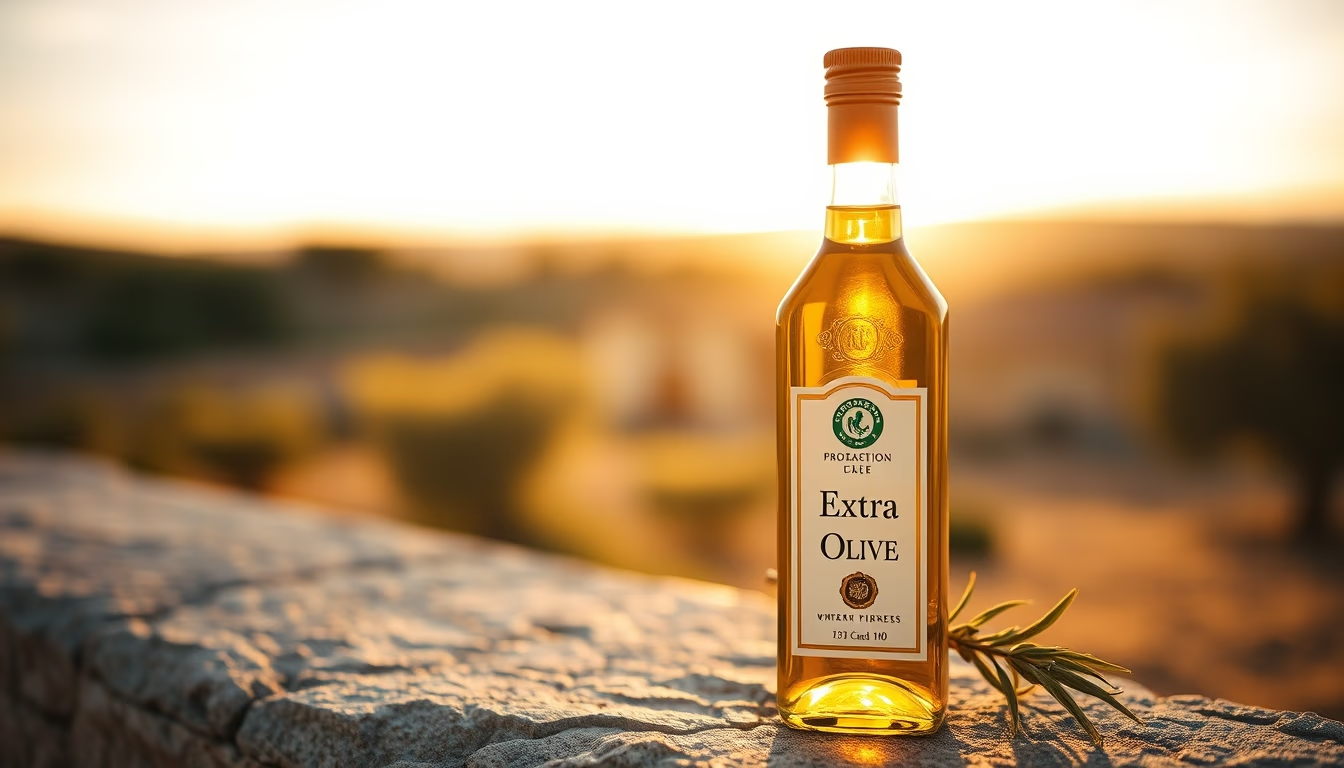
Extra virgin olive oil bottle: quality standard, production, and uses in cooking and health.
About this subject
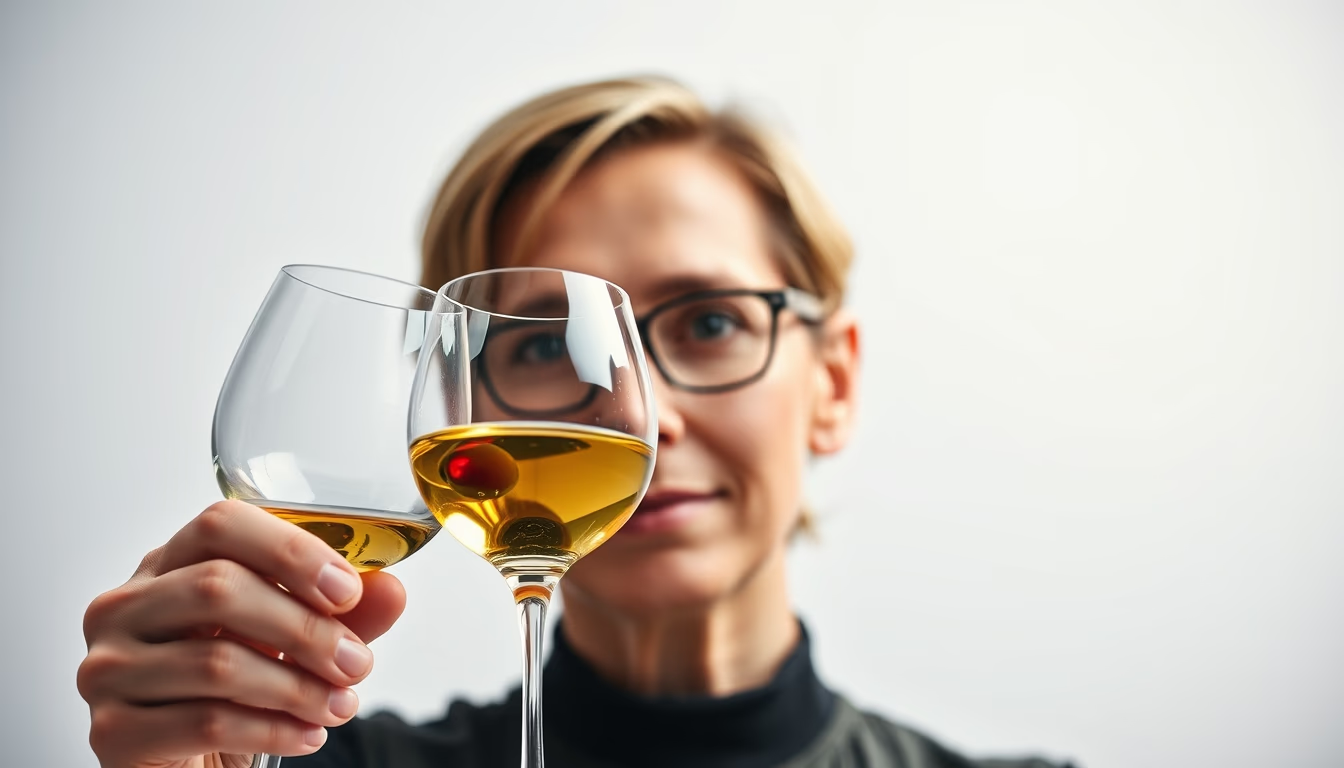
Extra virgin olive oil is the highest grade of olive oil, extracted exclusively by mechanical cold pressing without solvents or high heat. This process preserves phenolic compounds responsible for its fruity flavor, distinct aroma, and antioxidant benefits. To be labeled extra virgin, the oil must have free acidity no higher than 0.8% and pass rigorous sensory tests by trained tasting panels.
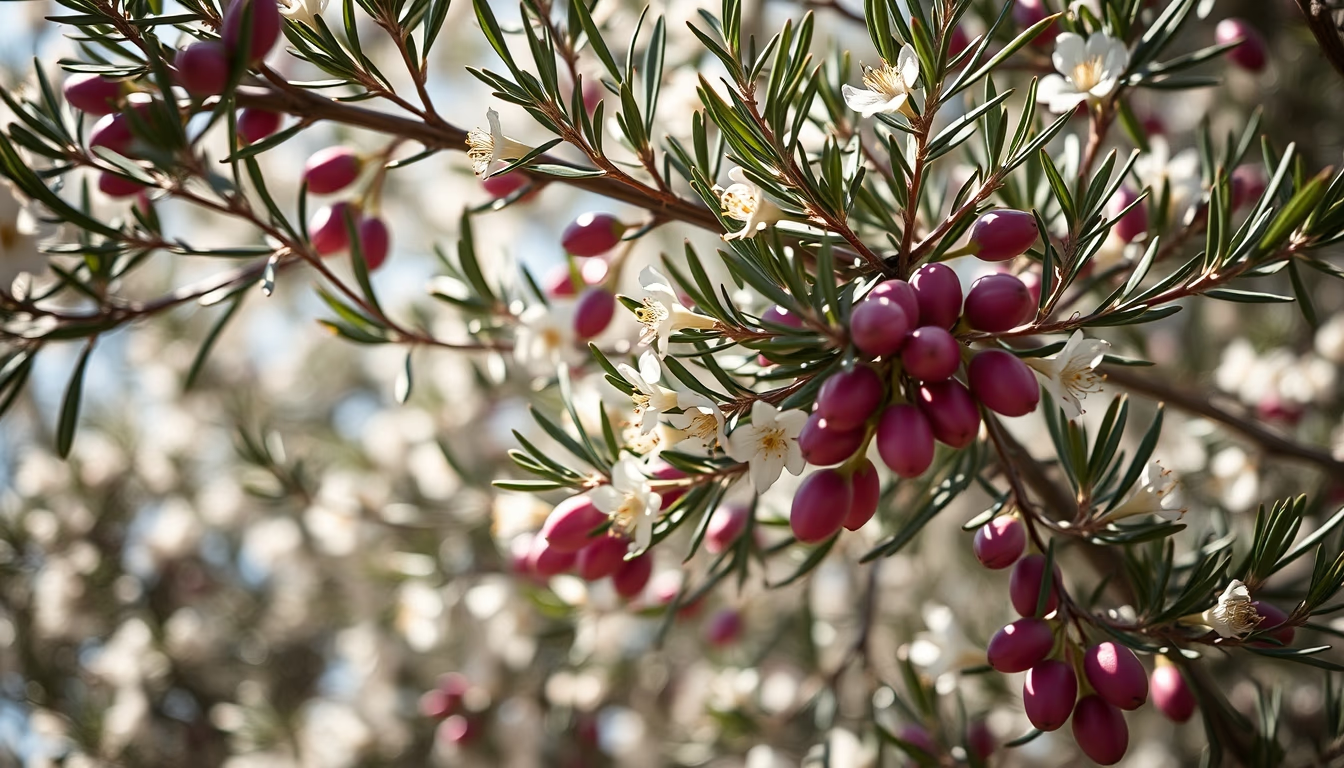
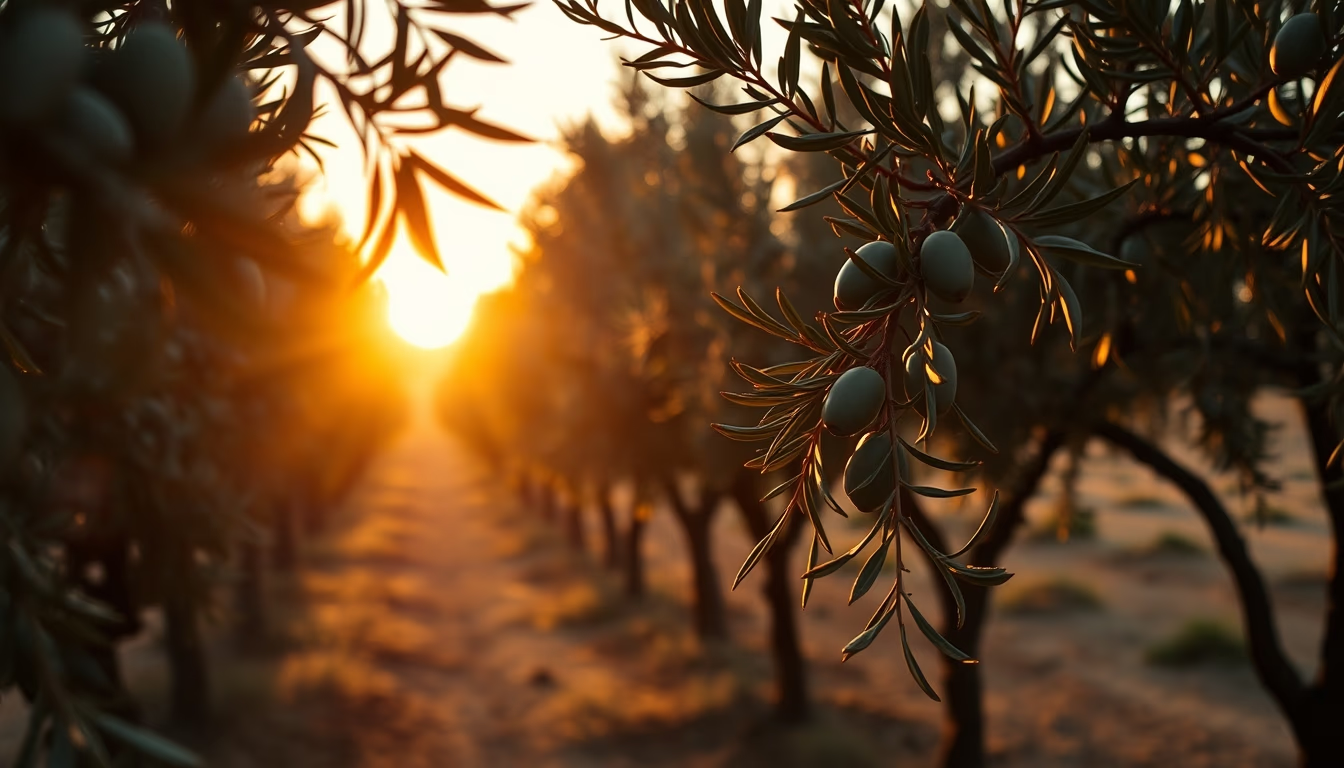
Production is concentrated in Mediterranean countries such as Spain, Italy, Greece, Portugal, and Tunisia, which together account for over 90% of the world market. Brazil imports large volumes from these countries but also has a growing artisanal production in regions like Serra da Mantiqueira in Minas Gerais and Rio Grande do Sul, where subtropical climates allow cultivation of varieties like Arbequina and Koroneiki. Olives are harvested manually or with mechanical shakers and processed within 24 hours to maintain quality.
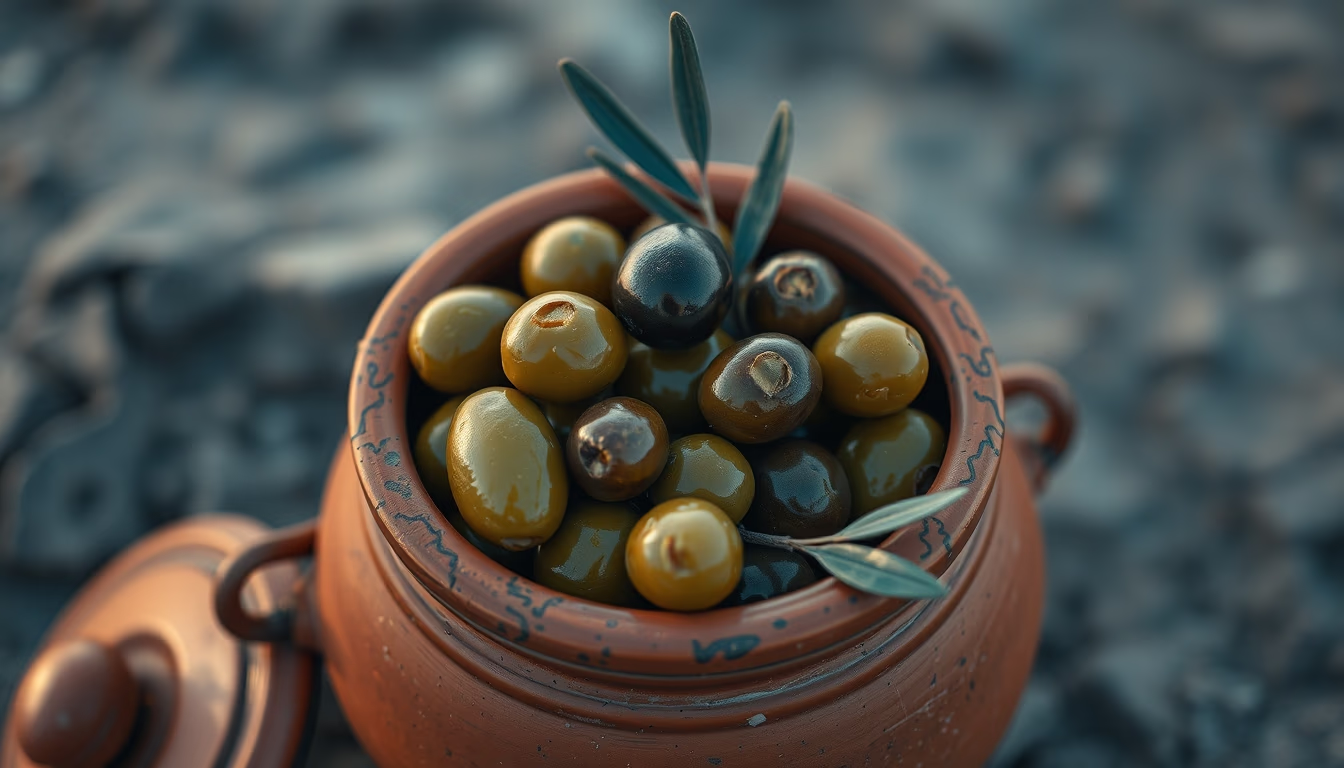
In cooking, extra virgin olive oil is prized for finishing dishes and raw uses such as salads, bread dips, and sauces. Unlike refined oils, it has a lower smoke point (around 175°C to 210°C), making it unsuitable for prolonged frying. Each olive variety imparts distinct sensory notes: Arbequina is mild and fruity, Picual offers balanced bitterness and pungency, and Coratina is intense and herbaceous.
Beyond culinary uses, extra virgin olive oil has been linked by scientific studies to the Mediterranean diet's cardiovascular and anti-inflammatory benefits. The compound oleocanthal, responsible for the throat-irritating sensation, exhibits anti-inflammatory properties similar to ibuprofen. To ensure authenticity, look for certification seals such as DOP (Protected Designation of Origin) or IGP (Protected Geographical Indication), which verify origin and production methods.
Frequently Asked Questions
What is the difference between extra virgin and virgin olive oil?
Extra virgin olive oil has a free acidity of no more than 0.8%, while virgin can reach up to 2.0%. Additionally, extra virgin undergoes stricter sensory tests, ensuring flawless flavor and aroma.
How can I identify high-quality extra virgin olive oil?
Look for DOP or IGP seals, harvest date, olive variety, and country of origin. Dark bottles protect the oil from light. Prefer glass or tin, avoid plastic. The aroma should be fruity with balanced bitterness and pungency.
Can I use extra virgin olive oil for frying?
It is not recommended for prolonged frying due to its low smoke point (around 180°C). For frying, prefer refined olive oil or high smoke point oils like avocado or high-oleic sunflower oil.
Direct URL
https://pub-c7d6a6ea828543ac903a74a341ccb2e1.r2.dev/imagens/extra-virgin-olive-oil-bottle-travel-photography-p4.avifHow to credit
Include a visible link back to UtilizAí. Copy one of the snippets below:
<a href="https://xn--utiliza-eza.com/en/midia/imagens/extra-virgin-olive-oil-bottle-travel-photography-p4">Extra virgin olive oil bottle</a> by <a href="https://xn--utiliza-eza.com">UtilizAí</a>, licensed under <a href="https://creativecommons.org/licenses/by/4.0/">CC BY 4.0</a>.
[Extra virgin olive oil bottle](https://xn--utiliza-eza.com/en/midia/imagens/extra-virgin-olive-oil-bottle-travel-photography-p4) by [UtilizAí](https://xn--utiliza-eza.com), CC BY 4.0
License: CC-BY-4.0