Extra virgin olive oil bottle
1344×768 · AVIF · CC BY 4.0
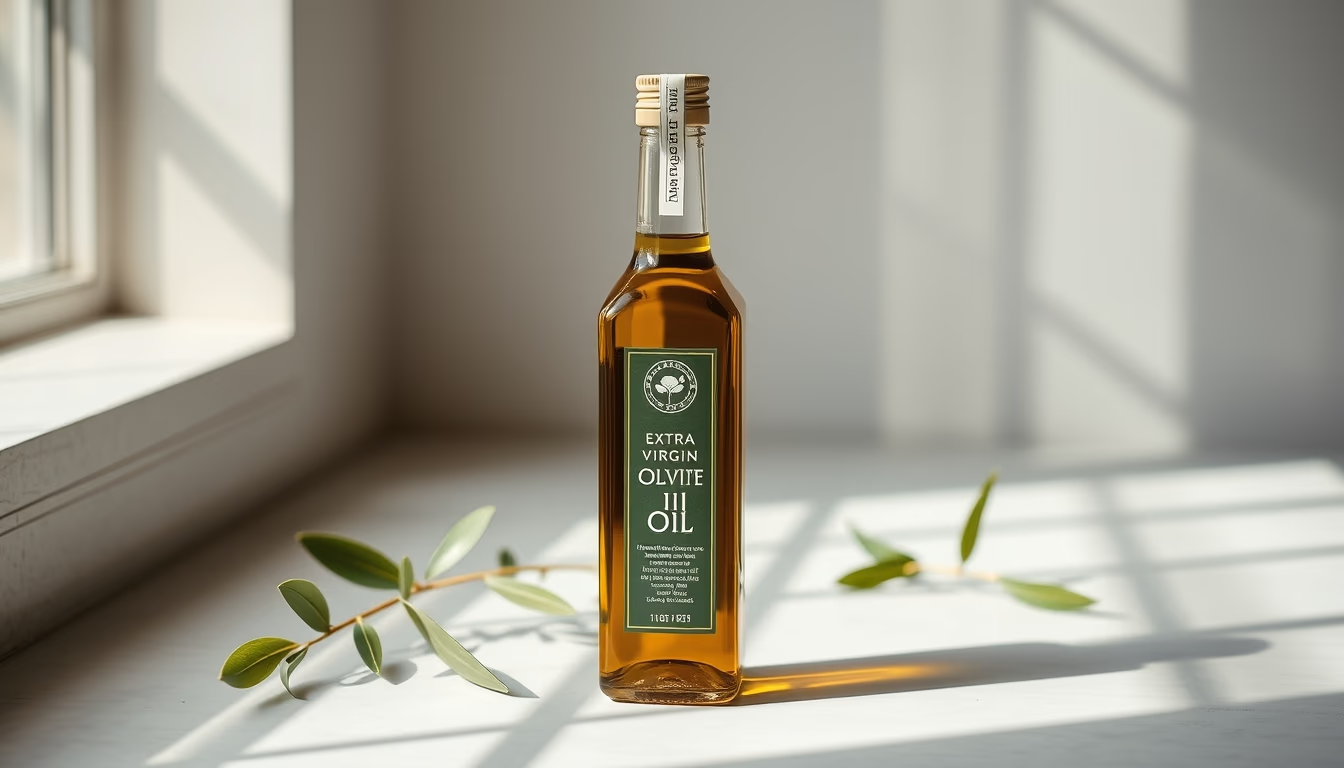
Extra virgin olive oil bottle: learn how to identify a quality product, its health benefits, and the main producing countries.
About this subject
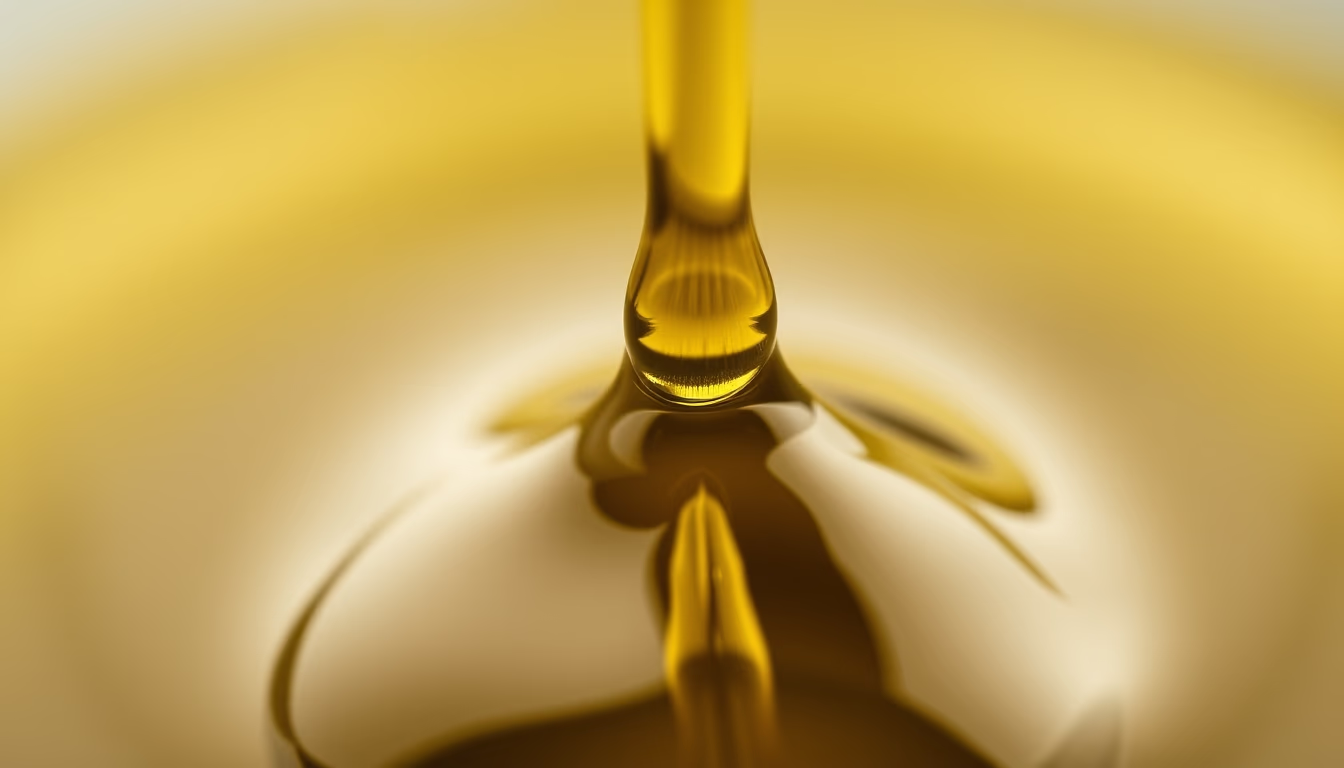
Extra virgin olive oil is the juice of the olive obtained solely by mechanical processes, without using solvents or high temperatures, preserving its nutritional properties intact. To be classified as extra virgin, free acidity must be below 0.8%, according to International Olive Council (IOC) standards. This grade ensures a product with fruity flavor, bitterness, and pungency, indicators of quality and freshness.
Mediterranean countries such as Spain, Italy, Greece, and Portugal lead global production, accounting for over 70% of the total. In Brazil, olive oil is an essential culinary ingredient, used to finish salads, pasta, and meats. The country is one of the world's largest importers, and product traceability is crucial to avoid fraud, such as the sale of virgin or lampante oils labeled as extra virgin.
Beyond gastronomic use, regular consumption of extra virgin olive oil is linked to reduced cardiovascular diseases, cholesterol control, and anti-inflammatory properties, due to polyphenols and monounsaturated fats. The Mediterranean diet, rich in this oil, is recognized by UNESCO as an intangible cultural heritage of humanity.
Dark glass bottles are the best packaging to protect olive oil from light and heat, preserving its volatile compounds and antioxidants. Bottles with a guarantee seal and recent harvest date (within 18 months) are preferable. A good extra virgin olive oil should be consumed within a few months after opening to enjoy its full aromatic and flavor potential.
Frequently Asked Questions
What is the difference between extra virgin and virgin olive oil?
Extra virgin olive oil has a maximum free acidity of 0.8% and perfect sensory characteristics. Virgin oil can have up to 2% acidity and minor defects in taste or aroma. Both are cold-pressed, but extra virgin is of superior quality.
How to know if extra virgin olive oil is genuine?
Check for a certification seal (e.g., from the International Olive Council), a recent harvest date (within 18 months), origin (prefer traditional producing regions), and packaging (dark glass and tamper-evident seal). Be wary of very low prices.
Can extra virgin olive oil be used for frying?
Yes, for quick frying at controlled temperatures (up to 180°C). Extra virgin olive oil has a smoke point around 190-210°C, but its flavor and beneficial compounds degrade with heat. Prefer using it for cold dishes or finishing.
Direct URL
https://pub-c7d6a6ea828543ac903a74a341ccb2e1.r2.dev/imagens/extra-virgin-olive-oil-bottle-minimalist-composition-p0.avifHow to credit
Include a visible link back to UtilizAí. Copy one of the snippets below:
<a href="https://xn--utiliza-eza.com/en/midia/imagens/extra-virgin-olive-oil-bottle-minimalist-composition-p0">Extra virgin olive oil bottle</a> by <a href="https://xn--utiliza-eza.com">UtilizAí</a>, licensed under <a href="https://creativecommons.org/licenses/by/4.0/">CC BY 4.0</a>.
[Extra virgin olive oil bottle](https://xn--utiliza-eza.com/en/midia/imagens/extra-virgin-olive-oil-bottle-minimalist-composition-p0) by [UtilizAí](https://xn--utiliza-eza.com), CC BY 4.0
License: CC-BY-4.0