Extra virgin olive oil bottle
1344×768 · AVIF · CC BY 4.0

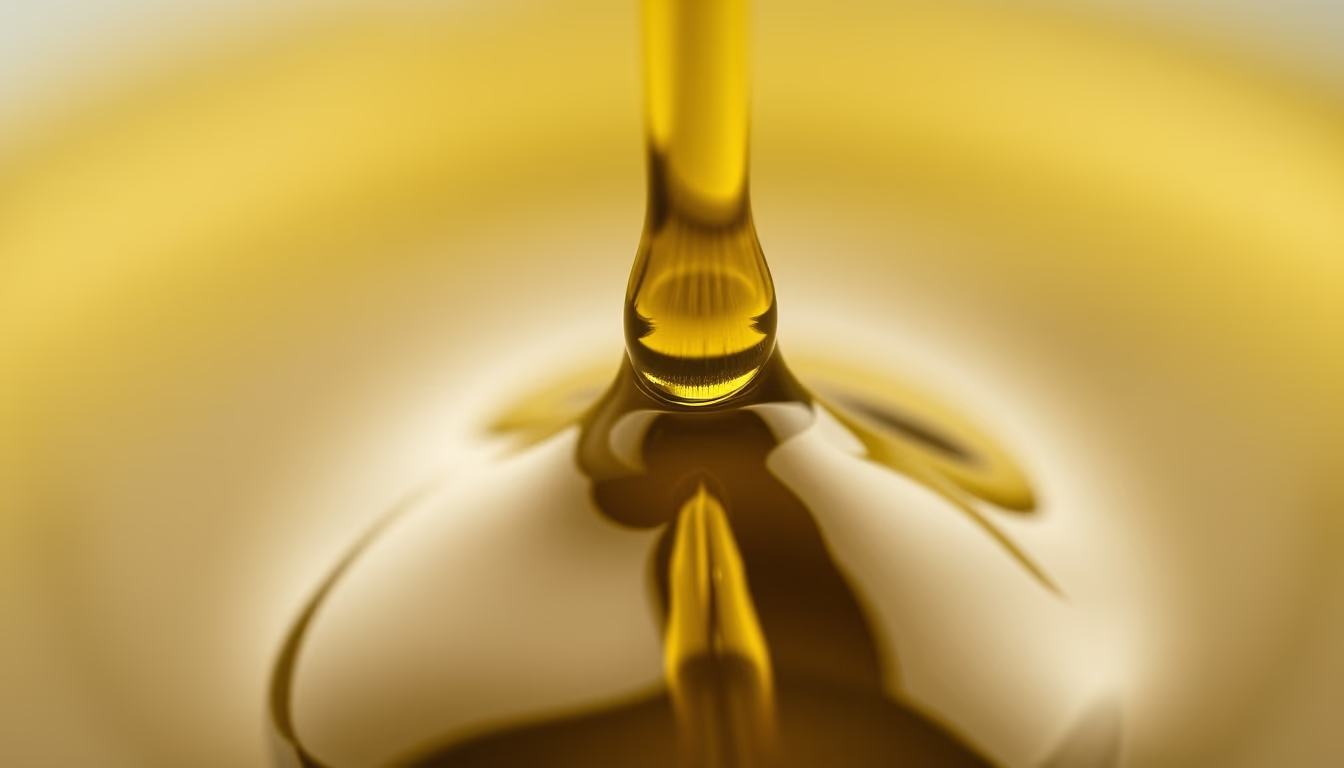
Extra virgin olive oil is the juice of the olive obtained through mechanical processes, without chemicals, preserving flavor and nutrients.
About this subject
Extra virgin olive oil is considered the purest and most noble of olive oils, as it is extracted directly from olives solely through mechanical and physical processes, such as cold pressing, without any chemical treatments or refining. This technique preserves bioactive compounds, polyphenols, and natural aromas, resulting in a high-quality product. To be classified as extra virgin, the oil must have a free acidity of less than 0.8% and pass rigorous sensory tests that verify the absence of defects.
The sensory characteristics of extra virgin olive oil include fruity notes that can range from green to ripe, as well as typical bitterness and pungency, indicators of natural antioxidants. These attributes are influenced by the olive variety, terroir, and cultivation practices. Oils from regions like Andalusia (Spain), Tuscany (Italy), and the Peloponnese (Greece) are globally recognized for their quality.
From a nutritional perspective, extra virgin olive oil is rich in monounsaturated fats, especially oleic acid, which supports cardiovascular health. It also contains vitamin E and polyphenols with antioxidant and anti-inflammatory properties. In cooking, it is prized for its robust flavor and is ideal for raw consumption in salads, finishing dishes, or dipping bread. It can also be used for light cooking, as long as the smoke point is not exceeded.
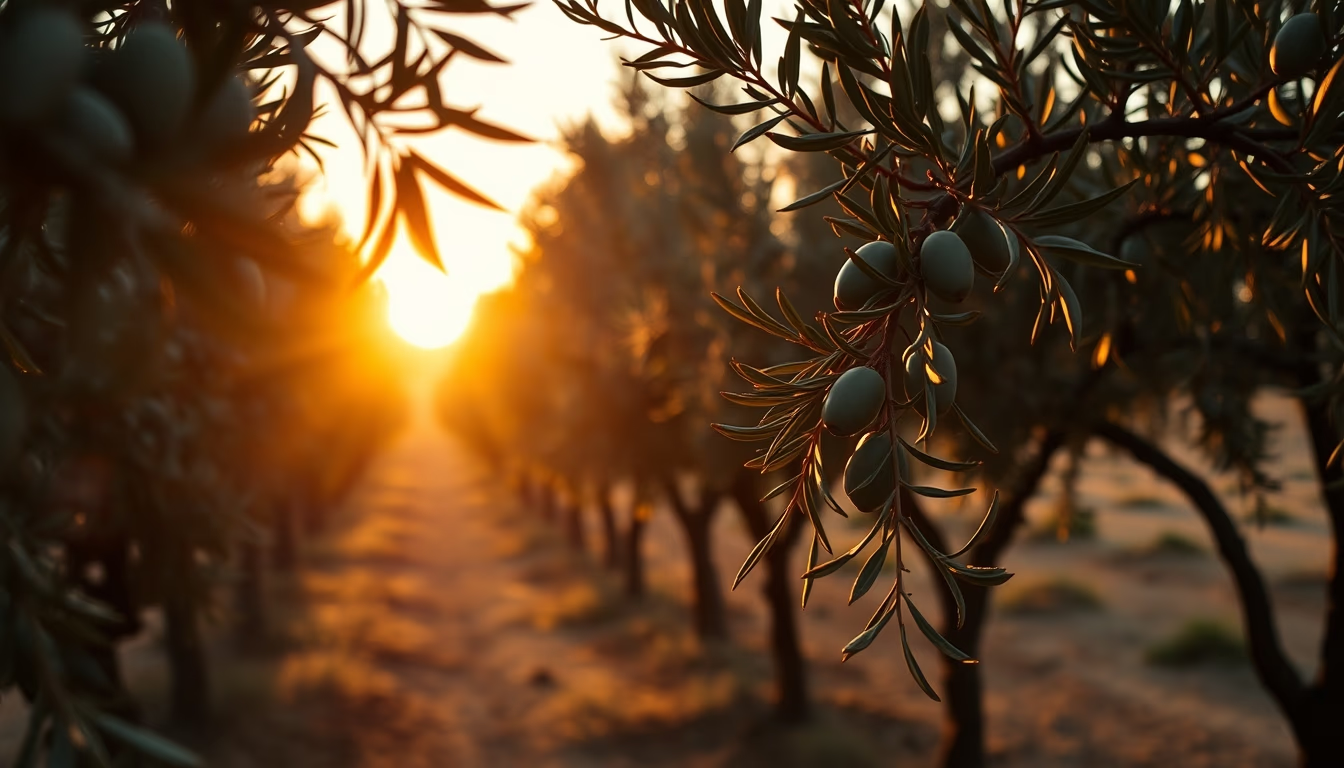
Global production of extra virgin olive oil is led by Spain, Italy, and Greece, which together account for about 70% of the total. In Brazil, consumption has been growing, but local production is still incipient, mainly concentrated in Rio Grande do Sul and Minas Gerais. Olive oil culture is deeply tied to Mediterranean history, where olive trees have been cultivated for millennia, symbolizing peace and prosperity.
Frequently Asked Questions
How can I tell if an olive oil is truly extra virgin?
Check the label for acidity (≤ 0.8%), harvest date, and certification seals like DOP or IGP. Genuine extra virgin oils typically have a fruity taste with balanced bitterness and pungency.
What is the difference between extra virgin and virgin olive oil?
The main difference is acidity: extra virgin has a maximum of 0.8%, while virgin can have up to 2%. Extra virgin also undergoes stricter sensory tests to ensure no defects.
How should I store extra virgin olive oil?
Store in a dark, cool place (15-18°C), away from heat and light. Use dark glass bottles and seal tightly after use to prevent oxidation. Avoid storing near the stove.
Direct URL
https://pub-c7d6a6ea828543ac903a74a341ccb2e1.r2.dev/imagens/extra-virgin-olive-oil-bottle-long-exposure-p11.avifHow to credit
Include a visible link back to UtilizAí. Copy one of the snippets below:
<a href="https://xn--utiliza-eza.com/en/midia/imagens/extra-virgin-olive-oil-bottle-long-exposure-p11">Extra virgin olive oil bottle</a> by <a href="https://xn--utiliza-eza.com">UtilizAí</a>, licensed under <a href="https://creativecommons.org/licenses/by/4.0/">CC BY 4.0</a>.
[Extra virgin olive oil bottle](https://xn--utiliza-eza.com/en/midia/imagens/extra-virgin-olive-oil-bottle-long-exposure-p11) by [UtilizAí](https://xn--utiliza-eza.com), CC BY 4.0
License: CC-BY-4.0